Essential Features & Top Picks
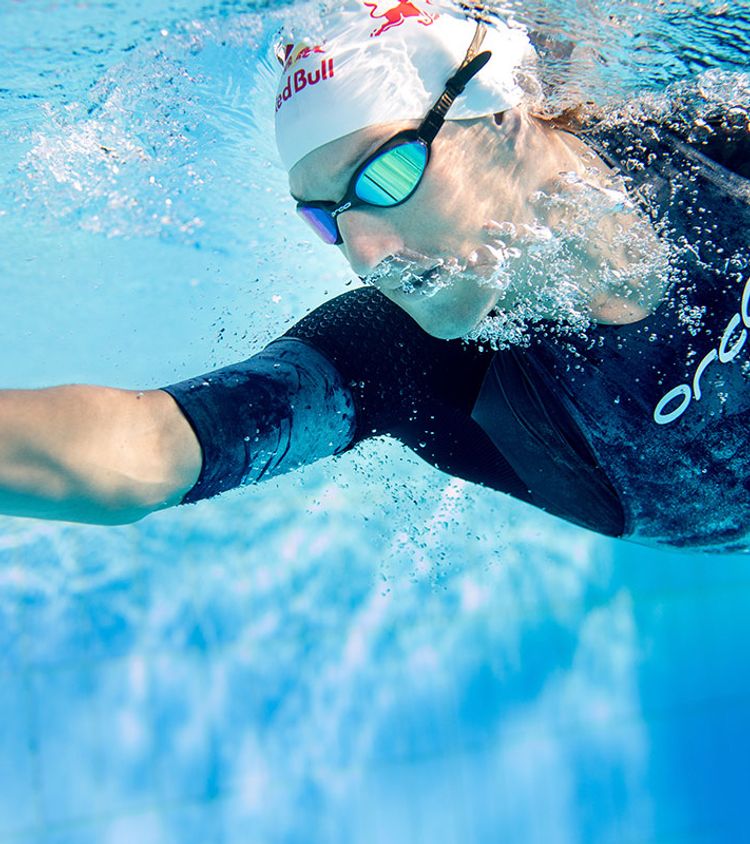
Choosing the best triathlon goggles is essential for a confident and efficient swim, whether you’re lining up for your first sprint event or chasing a new personal best in long-course racing. Unlike pool goggles, triathlon models must handle the unique demands of open water—changing light conditions, choppy waves, crowded starts, and long distances—while providing exceptional comfort and clarity.
From lens tint and field of vision to fit, seal quality, and durability, the right pair can dramatically improve your visibility, comfort, and performance on race day. In this guide, we break down the key features to look for and highlight top options to help you find the perfect goggles for your next triathlon.
Choosing the best triathlon goggles is essential for a confident and efficient swim, whether you’re lining up for your first sprint event or chasing a new personal best in long-course racing. Unlike pool goggles, triathlon models must handle the unique demands of open water—changing light conditions, choppy waves, crowded starts, and long distances—while providing exceptional comfort and clarity.
From lens tint and field of vision to fit, seal quality, and durability, the right pair can dramatically improve your visibility, comfort, and performance on race day. In this guide, we break down the key features to look for and highlight top options to help you find the perfect goggles for your next triathlon.
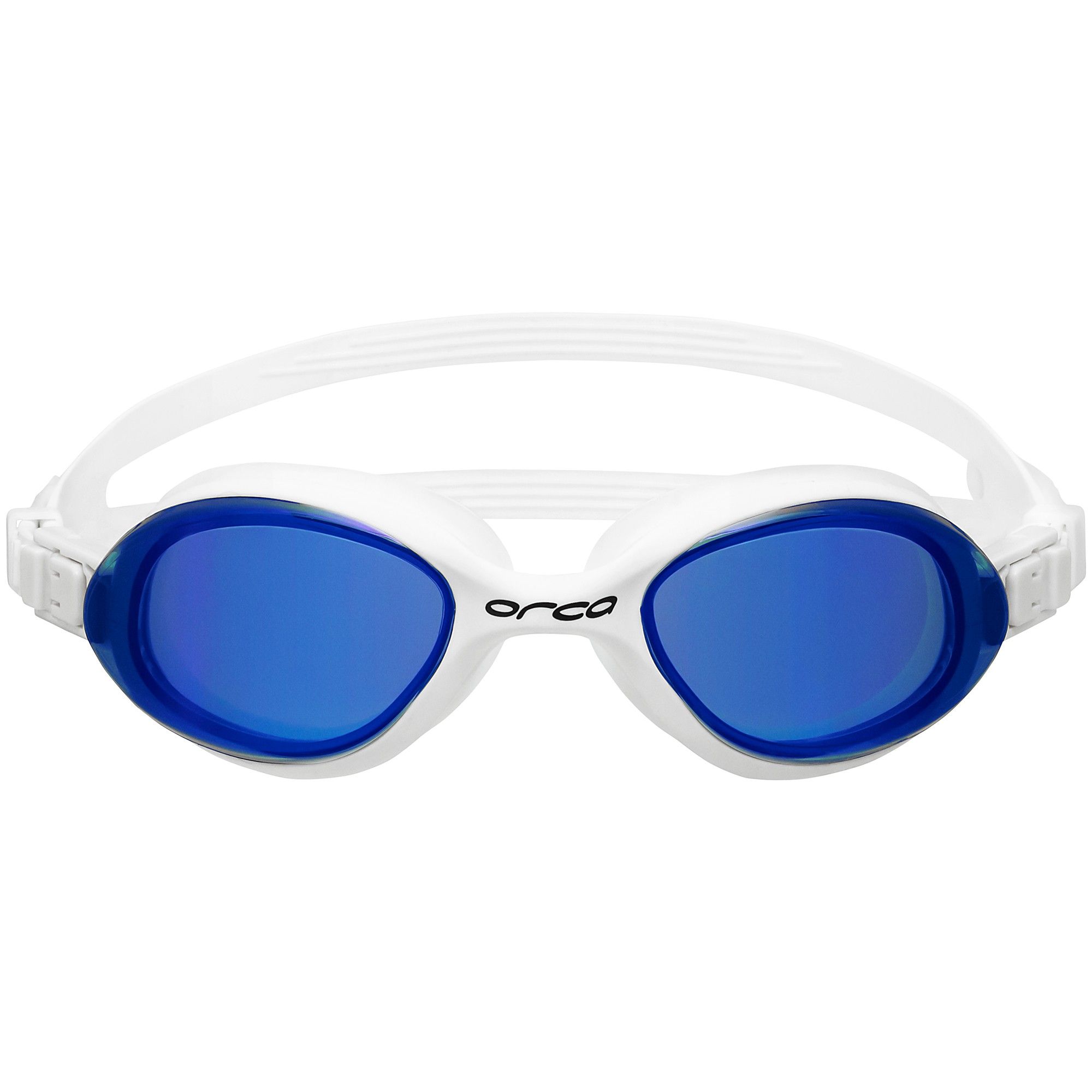
Best Budget Triathlon Goggles - Orca Killa 180 Goggles
The Orca Killa 180 Goggles are designed for both racing and training, delivering a secure, comfortable and leak-free fit thanks to their 3D ergonomic gasket and advanced UltraFuse construction.
They provide excellent optical clarity, with an anti-fog coating ensuring consistently clear vision throughout your swim. A soft silicone strap keeps the goggles stable, while the L50 clip system allows quick and precise adjustment for the perfect fit every time.
Shop the Orca Killa 180 Goggles
Best Triathlon Goggles For Adjustability - HUUB Eternal Goggles
The HUUB Eternal Goggles are built for both pool training and open-water racing, combining a sleek, low-profile design with impressive hydrodynamics and a secure, watertight seal.
Their precision-crafted curved lenses deliver excellent clarity and wide peripheral vision, supported by an advanced anti-fog coating for consistently sharp underwater visibility.
With four interchangeable nose bridges for a fully customised fit, these goggles offer reliable comfort and performance season after season.
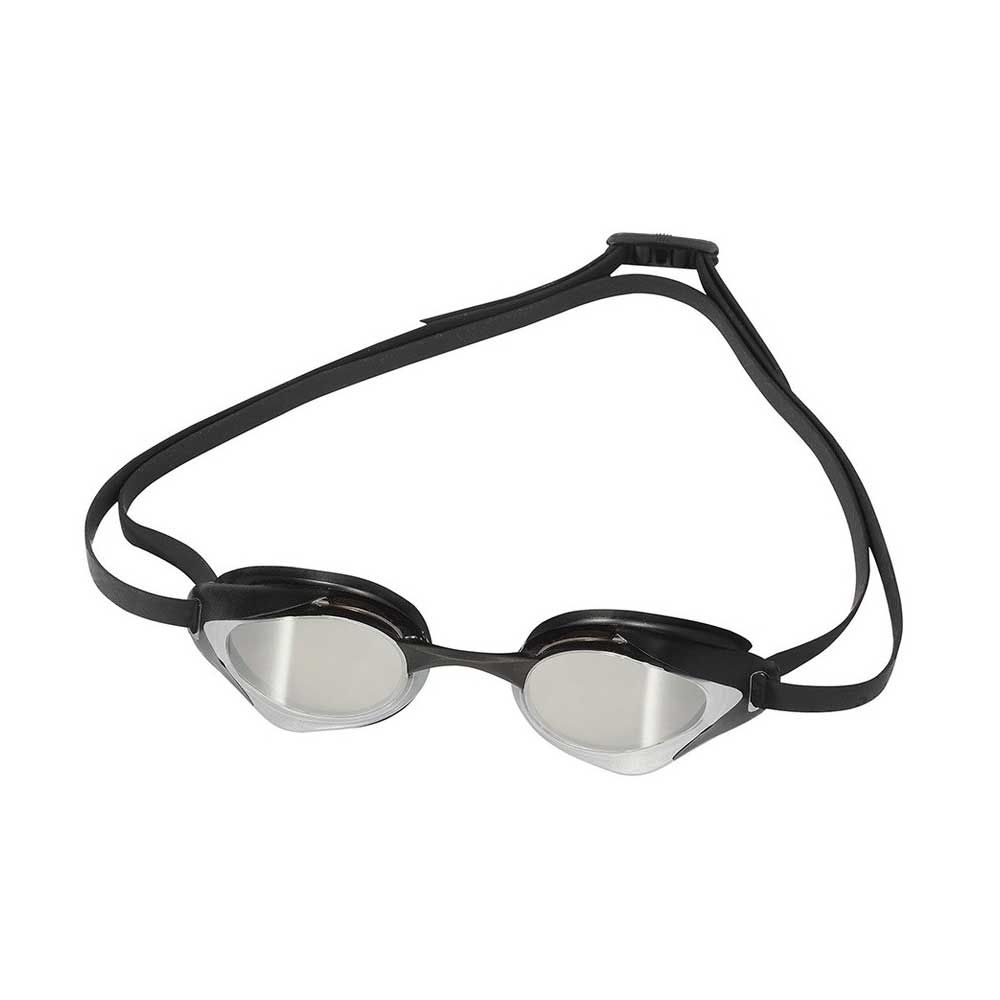
Best Polarised Triathlon Goggles - Zone3 Venator-X Goggles with Polarised Lenses
The Zone3 Venator-X Goggles with Polarised Lenses are designed for versatility and clarity, performing equally well in the pool and open water.
Their streamlined fit features Horizon wide-angle lenses for excellent peripheral vision, with polarised tint to reduce glare and an anti-fog coating to maintain clear sight in changing conditions.
Offering full UVA/UVB protection, they also use ultra-soft silicone gaskets for a secure, pressure-free seal and an easy-adjust double strap that fits any head size comfortably.
Shop the Zone3 Venator-X Goggles with Polarised Lenses
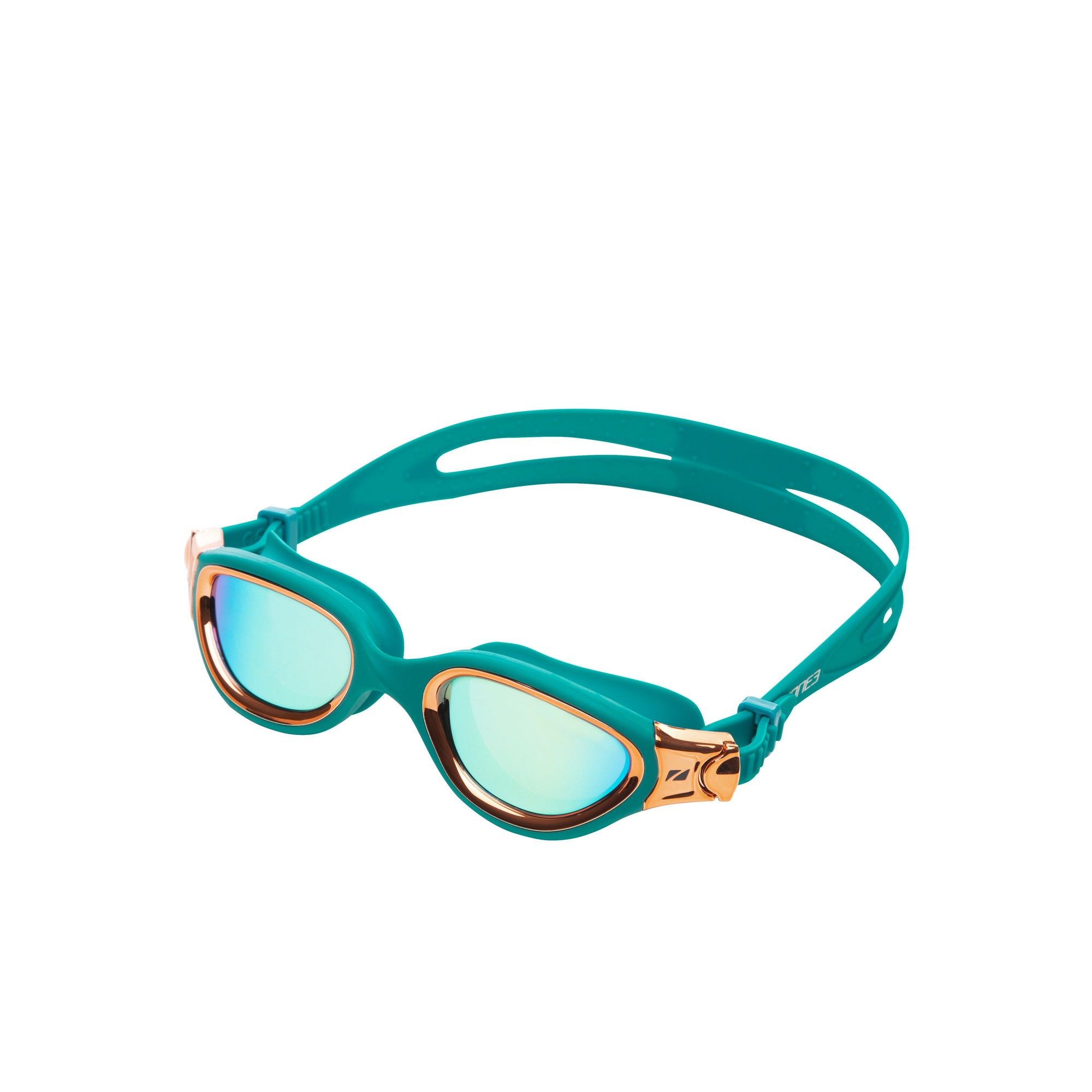
Best Triathlon Goggles For Tech Savvy Athletes - Form Smart Swim 2 Swimming Goggles
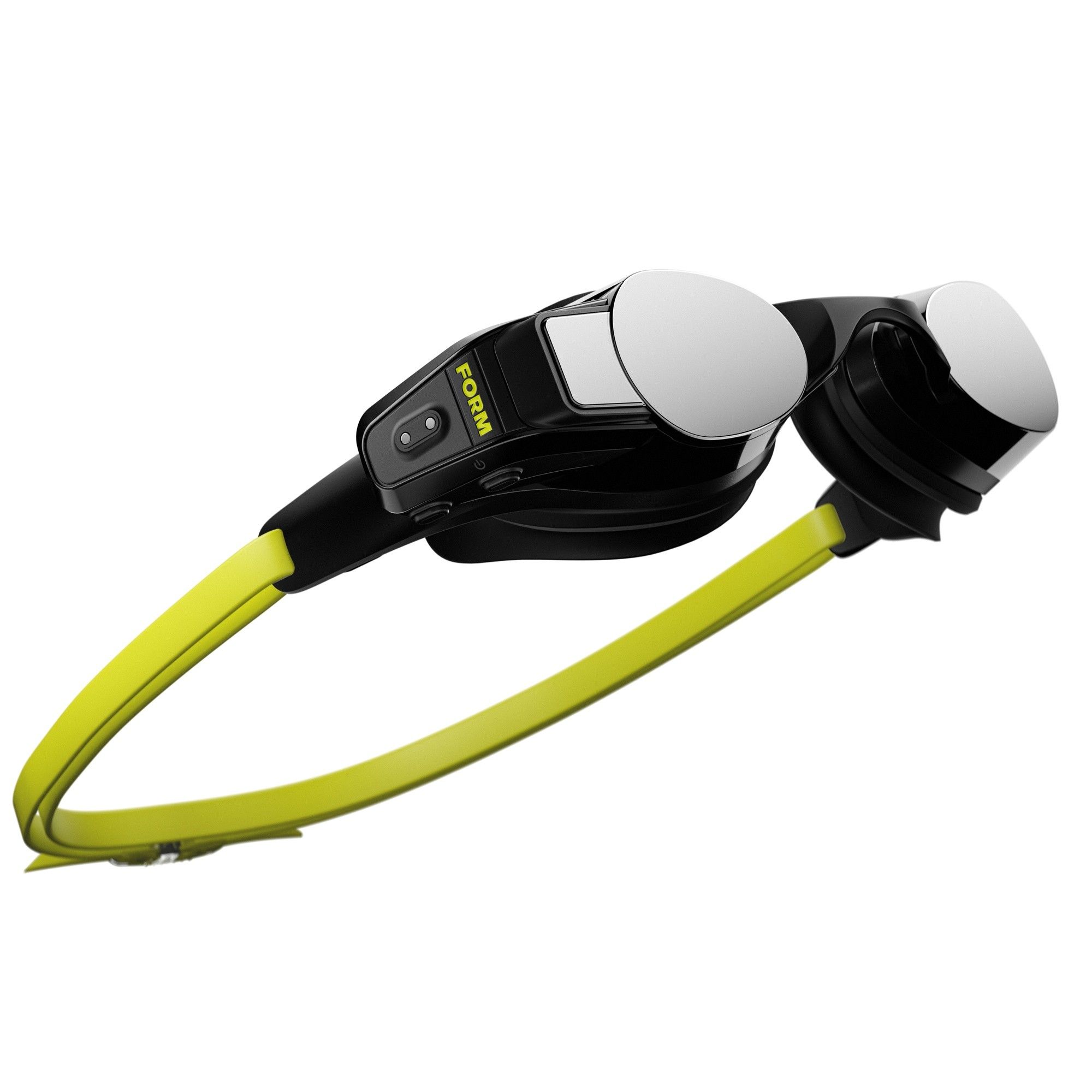
The FORM Smart Swim 2 Goggles are the only swim goggles equipped with a patented AR display and built-in motion sensors, allowing you to view real-time metrics—such as distance, time and pace—right inside your lens without relying on a watch or poolside clock.
Their mirrored lenses suit both indoor and outdoor swimming, and the display can be positioned on either eye for personalised comfort. Approved for racing by British Triathlon, World Triathlon, USA Triathlon and the PTO, they offer a genuine performance advantage. Paired with the FORM app for post-session analysis, these goggles help you train smarter, track progress and unlock faster swimming with every session.
Shop the Form Smart Swim 2 Swimming Goggles
Best Premium Triathlon Goggles - HUUB Aphotic II Photochromic Goggles
The HUUB Aphotic II Photochromic Goggles refine a decade of proven performance with smarter adjustability, improved comfort and advanced adaptive optics.
Their patented photochromatic lenses automatically shift from clear to dark within 160 seconds of UV exposure, ensuring optimal visibility whether you're swimming into bright sunlight or navigating low-light race starts.
A precise blend of silicone and TPR provides a feather-light, universally comfortable fit, while the newly ridged strap and upgraded ratchet system deliver secure, easy adjustment. Designed for clarity, comfort and confidence, these goggles are built to elevate race-day swimming.
Shop the HUUB Aphotic II Photochromic Goggles
Features of the Best Triathlon Goggles
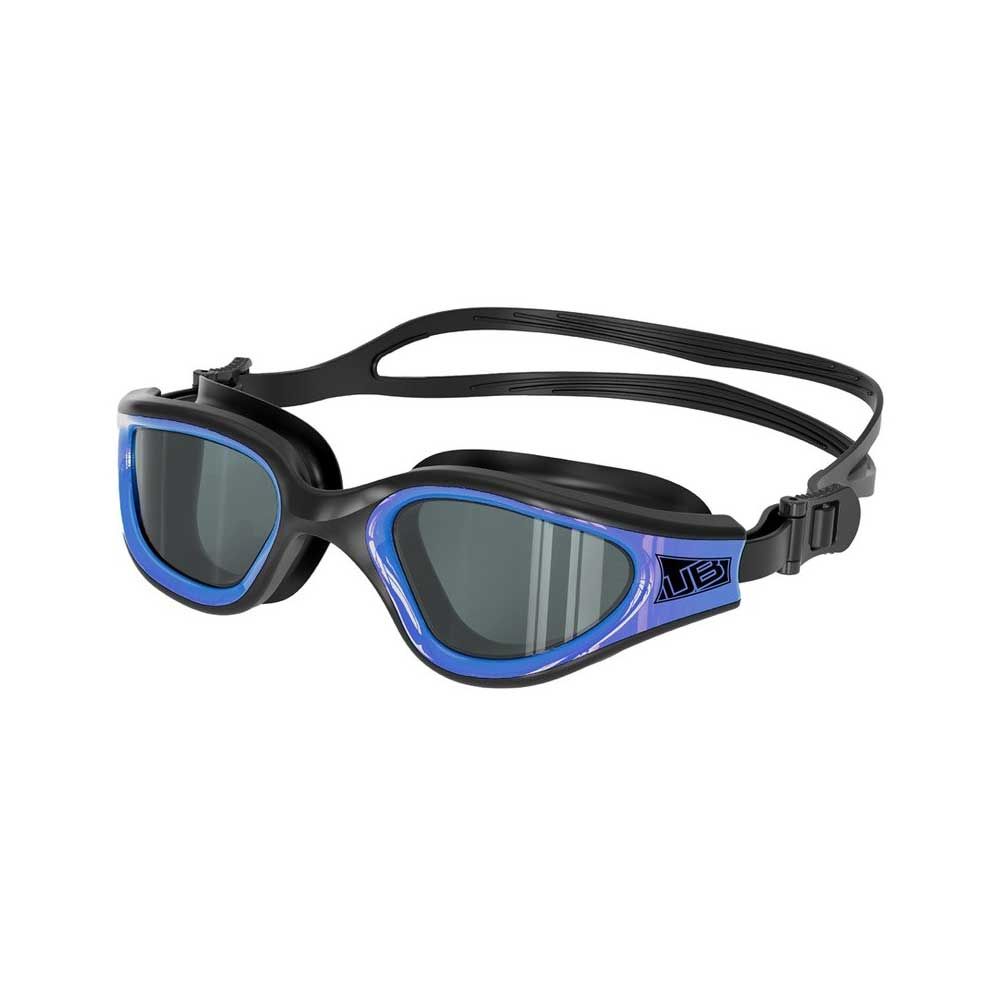
When picking the best goggles for triathlons, you want to make sure they have a set of features that support performance, comfort, and reliability — especially for open-water swims.
Focus on the following core features that will make those swims super smooth and your time in the water ultra efficient.
1. Fit & Seal
The goggles should seal snugly around your eye sockets without excessive strap tension, using soft silicone gaskets to prevent leaks — a poor fit compromises comfort and water-tightness.
2. Lens & Vision Quality
Look for lenses with anti-fog coating (to maintain clear vision during long swims), plus UV protection or mirrored/polarised options to reduce glare and improve visibility when swimming outdoors.
3. Durability & Adjustability
Lightweight yet durable materials (like polycarbonate lenses and silicone seals), and adjustable straps or nose-bridge options to ensure the goggles stay secure — even during jostly mass-start swim entries.
4. Field of Vision & Hydrodynamics
A wide peripheral view helps with sighting buoys or other swimmers, and a low-profile, hydrodynamic design reduces drag — useful in triathlon starts and transitions.
Shop all goggles
Triathlon Goggles FAQs
1. What type of goggles are best for open-water swimming?
Triathletes often ask whether they need polarised, mirrored, or photochromic lenses for dealing with sun glare and changing outdoor conditions.
2. How should triathlon goggles fit?
A common concern is ensuring a leak-free, comfortable seal that won’t cause pressure marks during long swims.
3. Do I need different goggles for pool training and open water?
Many athletes wonder whether one pair can do it all or if separate goggles are better for performance and durability.
4. How do I stop goggles from fogging up?
Anti-fog longevity and maintenance tips—like rinsing with fresh water or avoiding touching the lens—are frequent topics.
5. What lens tint should I choose?
Triathletes often ask which tint works best in bright sun, cloudy conditions, or murky water.
6. Are photochromic or polarised goggles worth it?
People commonly question whether high-tech lenses provide a meaningful advantage for sighting and comfort.
7. How long should triathlon goggles last?
Durability and when to replace goggles due to wear, scratches, or ageing seals is another common question.