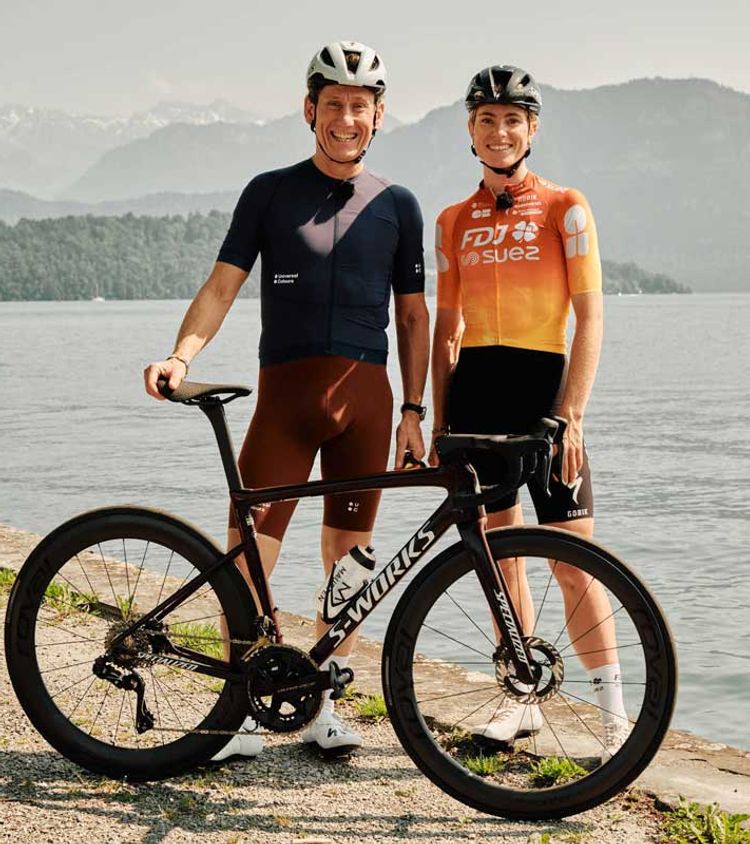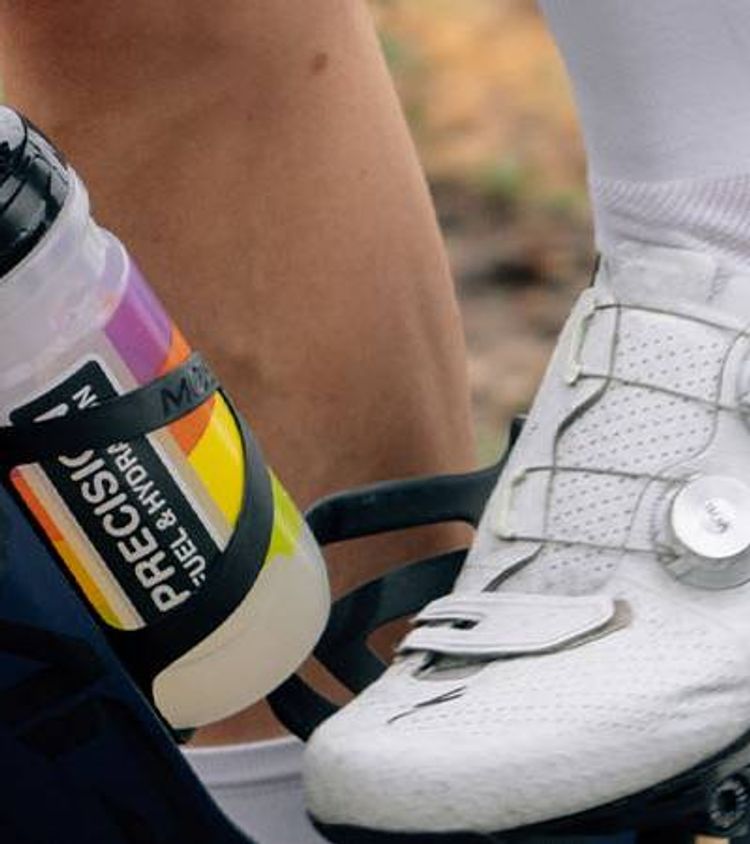
The team at Maurten have provided us with some insights into fuelling the pro riders.
Fuelling the day in, day out intensity of a Grand Tour requires practise and planning. But the fundamental principles of fuelling long rides apply at all levels of the sport — from the World Tour pros to amateur sportive riders.
Pro Level Maurten Gels
Maurten’s Hydrogel Technology has changed how riders fuel. The innovation enables riders from teams including UNO-X Mobility, SDWorx-Protime, FDJ-Suez, INEOS Grenadiers, and Intermarche-Wanty to tolerate more carbs per hour — fuelling the unprecedented intensity and explosive attacks of today’s cycling. Maurten Gels and Drink Mix use Hydrogel Technology to encapsulate carbohydrates and aid comfort in the stomach, especially when effort and workload makes high-carbohydrate fuelling challenging for the gut to handle.
“For six years, I've been using Maurten and if I think back to the first years, I was not able to eat as much on the bike as I do now. Over the years I have been training the gut a lot to be able to tolerate more carbs per hour.” — Demi Vollering.
The performance benefits of consuming more carbohydrates are now well established, but it’s important to state two crucial caveats.
1. Fueling is personal. It takes time to understand what fuel strategy works for you and to train the gut to tolerate more carbohydrates while riding — don’t be tempted to use the professionals as a benchmark.
2. Intensity is subjective, but most riders don’t need to fuel sustained breakaway attempts, long alpine climbs at 5w/kg, and multi-day races. An appropriate starting point is 1 gram of carbohydrate per kilogram of bodyweight per hour.
Fuelling Fundamentals
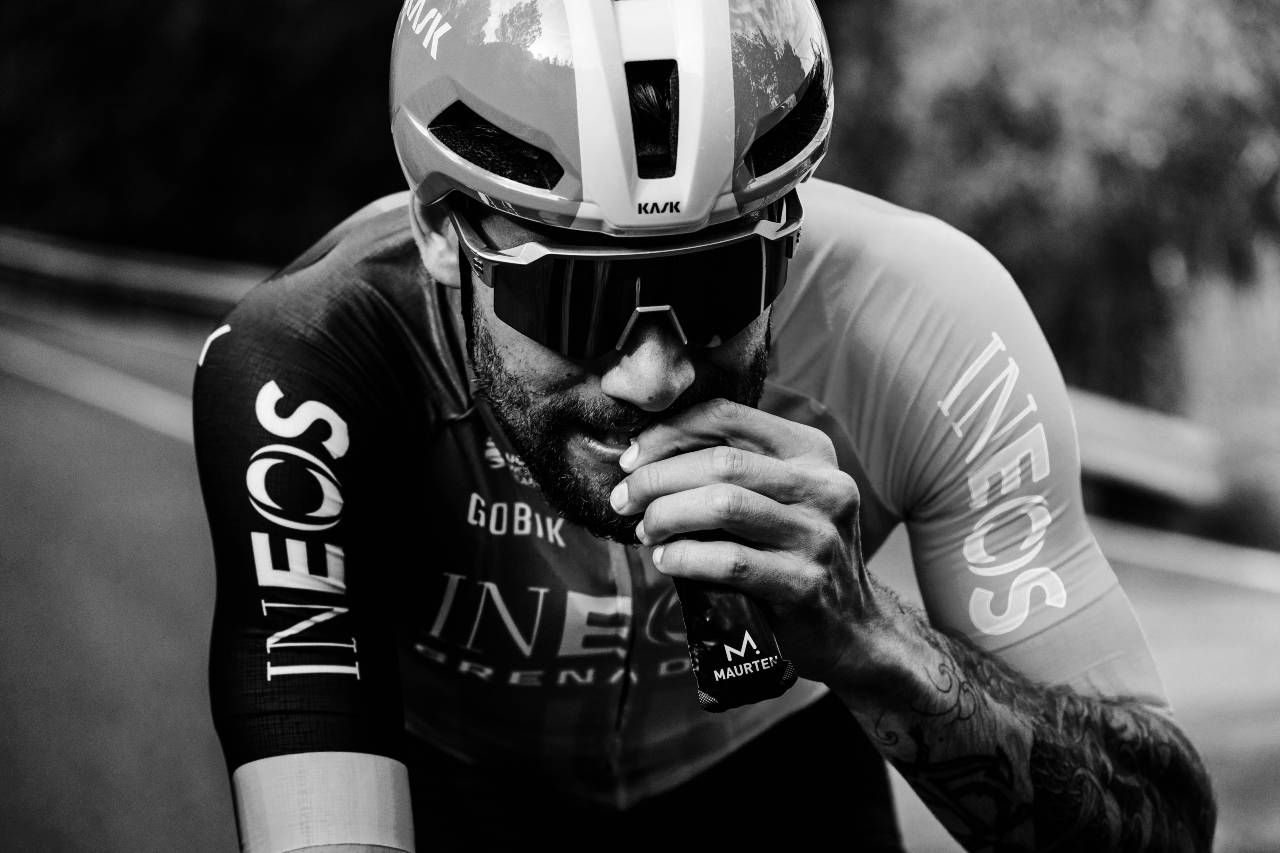
The dreaded ‘bonk’ isn’t a rite of passage — it’s fuelling gone wrong. As a rule, the longer you are riding, the more carbs per hour you will require. Initially your body uses its reserves of glycogen that are stored in the muscles from previous meals, but as duration extends these reserves run low. They will be utilised even faster if the ride intensity is also high. In most cases fuelling in the first hour of a ride can be less than subsequent hours. The exception might be if intensity is expected to build later in the ride, making the logistics and consumption of fuel more challenging. This is often the case in the Tour de France. During stages with a hard finish riders may slightly front-load their fuelling or pre-emptively fuel before the fireworks start.
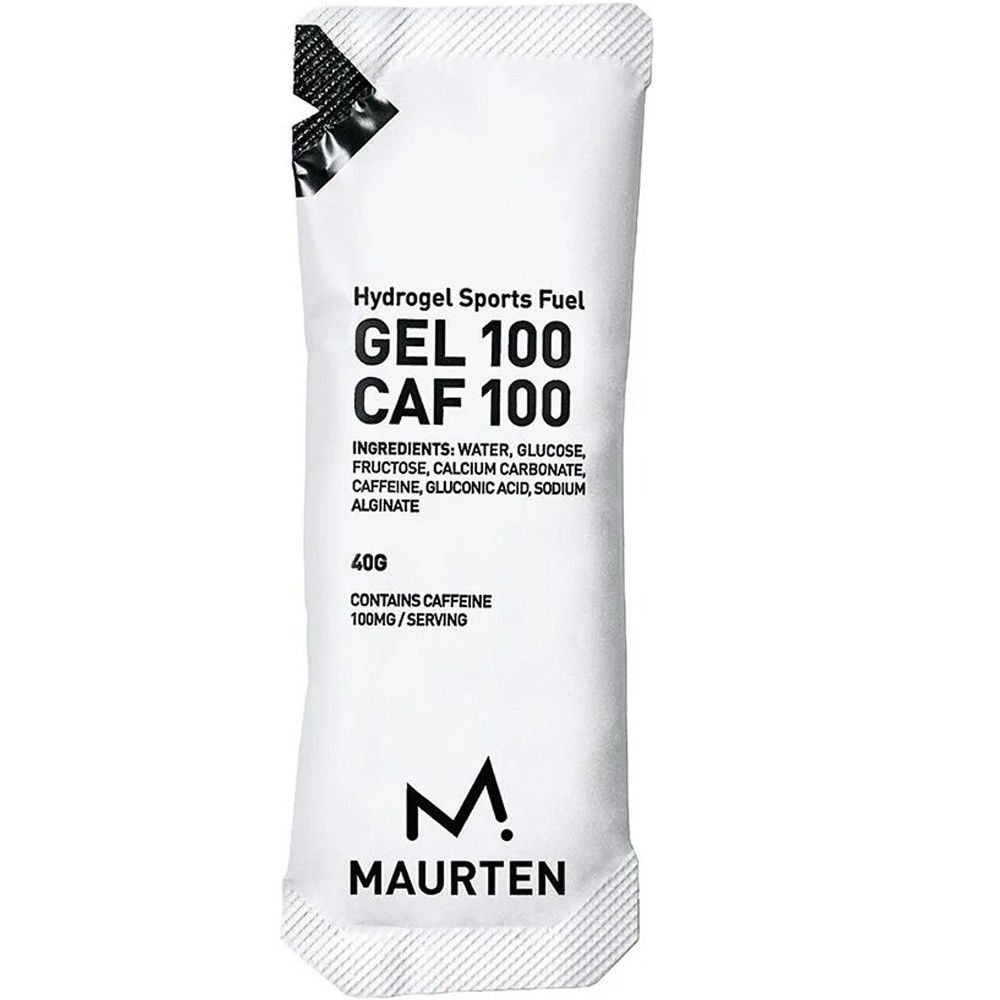
Elsa Hugot, Team Nutritionist of team FDJ-Suez, explained that riders often have a Maurten Gel 100 Caf 100 (25 grams of carbohydrates with 100 mg of caffeine) before the final hour, to stimulate cognitive performance and focus.
It's important to keep on top of fuelling as you ride.
When the riding is hectic or hard, when opportunities to stop are less frequent, when you've got your head down — pushing on — fuelling is easily neglected.
“I'll eat at the top of the climb. I'll eat when I stop next. I'll eat when I catch the person ahead.” Good intentions — but time passes. The miles pass. And before you realise, the fatigue has caught up with you instead.
To help with this, World Tour riders like to use the Drink Mix to maintain a steady consumption of carbohydrates. Remember, it’s carbohydrates that are the currency of fuelling. Your body converts the carbohydrates to glycogen and it this that fuels your performance in training or racing.
Insights from the Tour Teams
Head Nutritionist at Uno-X Mobility, James Moran, described the challenge they faced when trying to fuel eventual stage winner Jonas Abrahamsen on stage 11 of the Tour de France.
Fueling was a challenge throughout the stage due to the speed of the race making it difficult to always take drinks and gels from our team on the roadside. Furthermore, the Team’s Sports Director car was not allowed behind the break to feed Jonas due to the gap not going more than 1 minute. This was a 7,000-calorie day with 1,400 grams of carbohydrates consumed in total. In the race, Jonas averaged 115 grams of carbohydrates per hour and 6-litres of liquid.
Each stage of a Grand Tour is meticulously planned. Elsa Hugot of FDJ-Suez described the protocol for Demi Vollering on the decisive Col de la Madeleine stage of the Tour de France Femmes.
“From the start, Demi rode with only one bottle of Maurten Drink Mix 320 (80 grams carbohydrates) to save a bit of weight on the first climb. Then we planned a filling point at the top where Demi collected two bottles of Drink Mix 160 (40 grams carbs per bottle). In the valley she took one or two more bottles of Drink Mix 160 and then two more bottles of Drink Mix 160, with ice socks, before the last ascent. To complete the carb intake provided by the bidons, she also consumed one Gel 100 (25 grams of carbohydrates) every 15 km and one more Gel 160 at the top of the Col de Frene (44km into the stage). She then took one Gel 100 Caf 100 (25 grams carbs with 100mg caffeine) at the bottom of the Col de la Madeleine and one more Gel 100 during the ascent.” It’s a lot more fuel than your standard café ride.
Some stages are more specialist. Tobias Foss of the INEOS Grenadiers consumed a single Gel 160 (40 grams of carbohydrates) on the way to the start and then a bidon of Drink Mix 320 (80 grams of carbohydrates) on the bike during the 32km time-trial around Caen. On stage 4, with its concertina course profile, everything was full gas. Here the INEOS Grenadiers utilised an increasing fuel strategy, rising from 80 grams of carbohydrates in the first hour up to a potential 140 grams of carbohydrates during the final hour. Again, Maurten Drink Mix 320 provided the backbone of the fuelling strategy, topped-up with Gel 100.
Recovery With Maurten
Back-to-back days
In-session fuelling isn’t just about getting to the end of a ride or training effort. Ending a ride in a depleted state will lengthen the recovery process and could compromise future rides. If you plan to ride again the next day, ensure that you fuel right to the finish. Consider it an investment in the next ride, as well as completion of the current one.
Drink Mix — Liquid in the bidon, hydrogel in the stomach
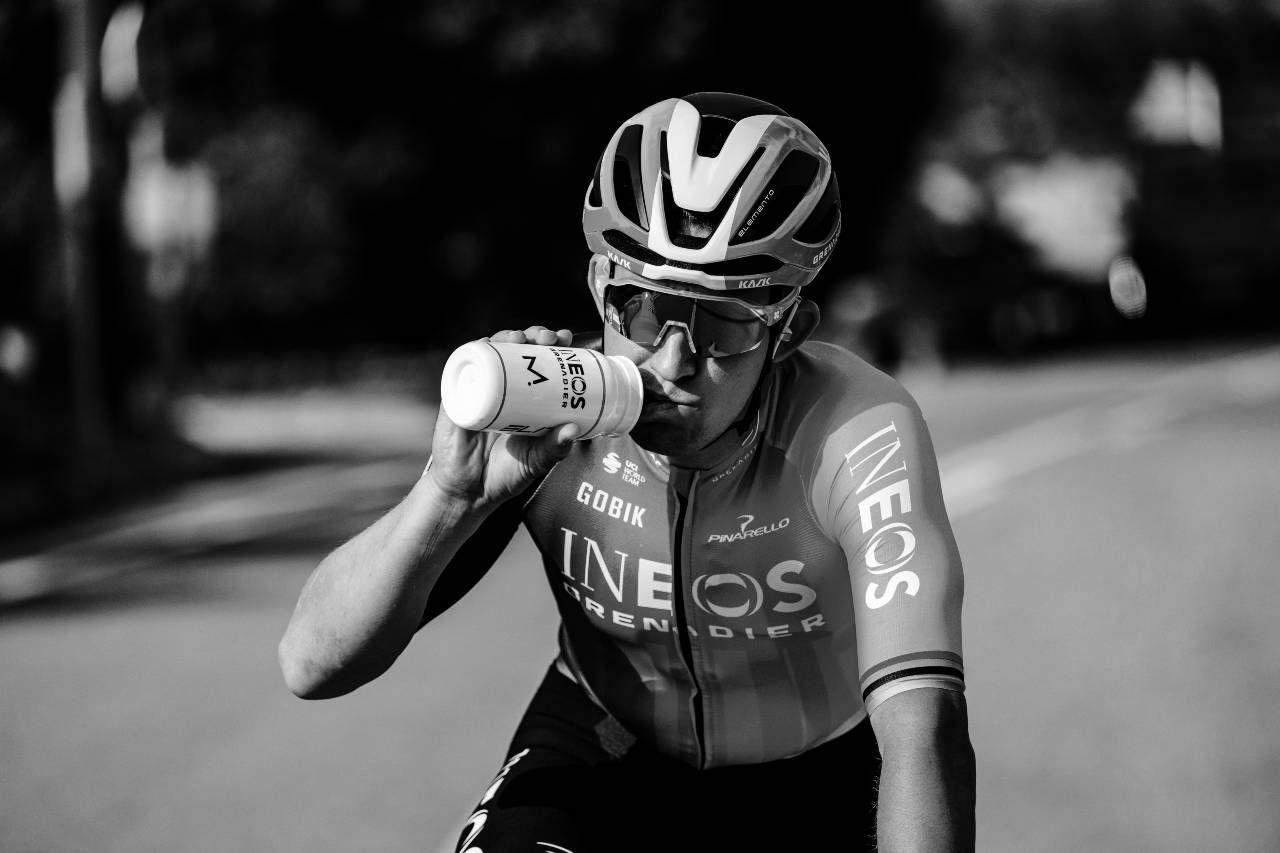
Unlike other sports drinks, Maurten Drink Mix is based on Hydrogel Technology. It transforms from a liquid to a hydrogel upon contact with stomach acid. Once in the stomach, Drink Mix behaves like Maurten gels, encapsulating the carbohydrates in hydrogel and moving them quickly into the intestines to be absorbed as fuel. Drink Mix 160 contains 40 grams of carbohydrates and Drink Mix 320 has 80 grams of carbohydrates.
Maurten Gels
Maurten Gels are actual gels — not messy syrups — firmer and easier to consume in the often frenzied environment of the peloton. Based on Hydrogel Technology and made with only 6 ingredients. Gel 100 has 25 grams of carbohydrates and Gel 160 has 40 grams.
Maurten Solid
Solid is an oat-based bar with 40g of carbohydrates — chewable fuel that offers a texture reset. A go-to for preloading or replenishing carbs. Easily splits into two equal parts for calculating carbohydrate consumption. Riders will often use Solid during the quieter parts of a race, usually early on.
Shop the Full Maurten at Sigma Sports
Shop the Full Maurten Range at Sigma Sports