Beginner’s Guide to Run-Bike-Run
Whether you are looking to stay fit through the winter months or you’re a cyclist who wants to test your mettle on foot, the duathlon offers a unique, grueling, and deeply rewarding challenge. Often overshadowed by its three-sport sibling, the triathlon, the duathlon is a powerhouse discipline in its own right.
In this beginner’s guide, we’ll break down exactly what is a duathlon, how to structure your training, and the essential kit you need to cross the finish line with a smile.
What is a Duathlon?
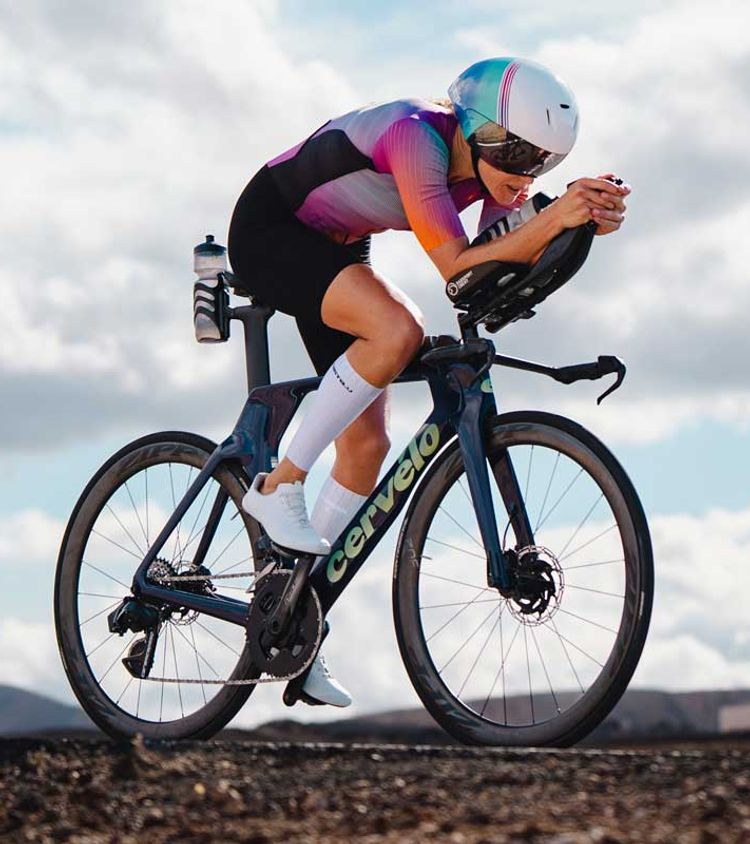
A duathlon is an endurance competition that follows a run-bike-run format. Unlike a triathlon, there is no swimming involved, making it the perfect multisport event for those who prefer to stay on dry land or want to race during the colder months when open-water swimming is off the table.
The race is structured into three legs with two transitions:
First Run: Usually the longer of the two runs, requiring careful pacing.
Transition 1 (T1): Swapping your running shoes for cycling gear and grabbing your bike.
The Bike: A timed cycling leg, often on paved roads but sometimes off-road.
Transition 2 (T2): Racking the bike and switching back into running shoes.
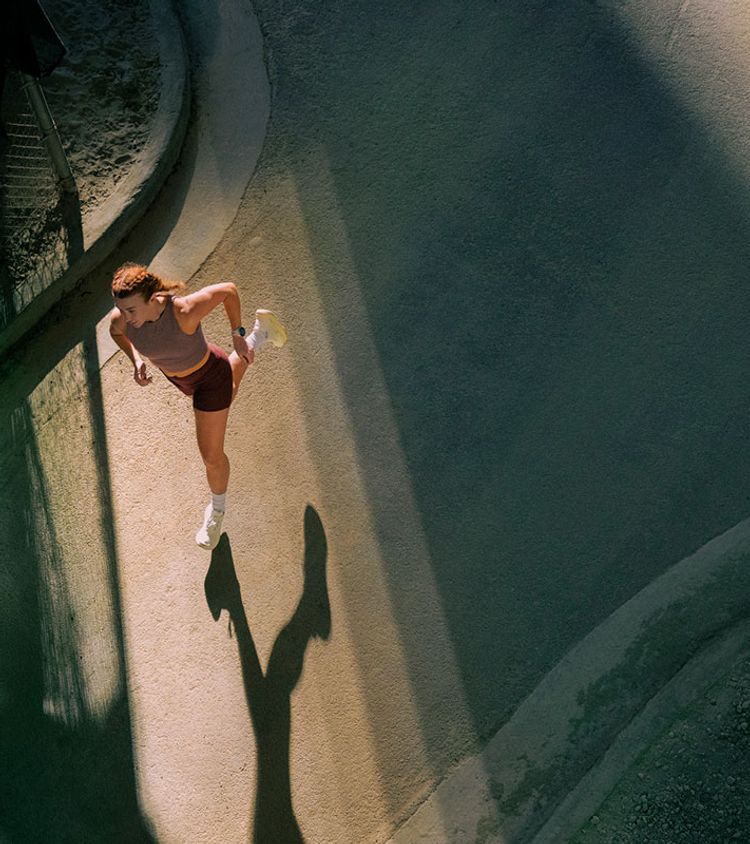
Second Run: A final sprint to the finish, often where the "jelly legs" phenomenon (the transition from cycling to running) is most felt.
Because the clock never stops, the time you spend fumbling with your helmet or tying laces in transition counts toward your final result. This adds a tactical layer to the sport, efficiency is just as important as raw speed.
Duathlon Distances
One of the best things about duathlons is their accessibility. Events range from entry-level "super sprints" to ultra-endurance challenges. While distances can vary by event organiser, the standard categories are:
| Race Type | Run 1 | Bike | Run 2 |
| Super Sprint | 2.5km | 10km | 2.5km |
| Sprint Distance | 5km | 20km | 2.5km - 5km |
| Standard (Olympic) | 10km | 40km | 5km |
| Middle Distance | 10km - 20km | 60km - 90km | 10km |
| Long Distance (Powerman) | 10km | 150km | 30km |
For a duathlon beginner, starting with a Sprint distance is highly recommended. It’s long enough to feel like a significant achievement but short enough that the "second run" won't feel completely overwhelming.
Duathlon Training Tips
To succeed in a duathlon, you can’t just train as a runner and a cyclist in isolation. You need to train as a multisport athlete.
1. Master the "Brick" Session
In duathlon circles, a "brick" workout refers to stacking two disciplines back-to-back (e.g., a bike ride followed immediately by a run). This trains your nervous system to handle the physiological shift of blood flow from your cycling muscles to your running muscles. For duathletes, reverse bricks (run-then-bike) are also vital to prepare for the unique start of the race.
2. Practice Your Transitions
Transitions are often called the "fourth discipline." Spend 40 minutes once a week in a quiet parking lot practicing your T1 and T2.
- T1: Run in, helmet on (must be fastened before touching the bike), shoes on, go.
- T2: Rack bike, helmet off, shoes on, run.
- Pro Tip: Use a bright towel to mark your spot in the transition area so you can find your gear quickly in the heat of the moment.
3. Pacing is Everything
The biggest mistake beginners make is treating the first run like a standalone 5km race. If you redline during the first leg, your bike leg will suffer, and the final run will be a walk. Aim to run the first leg at about 90% of your maximum effort to save "fuel" for the pedals.
4. Stay Motivated and Track Progress
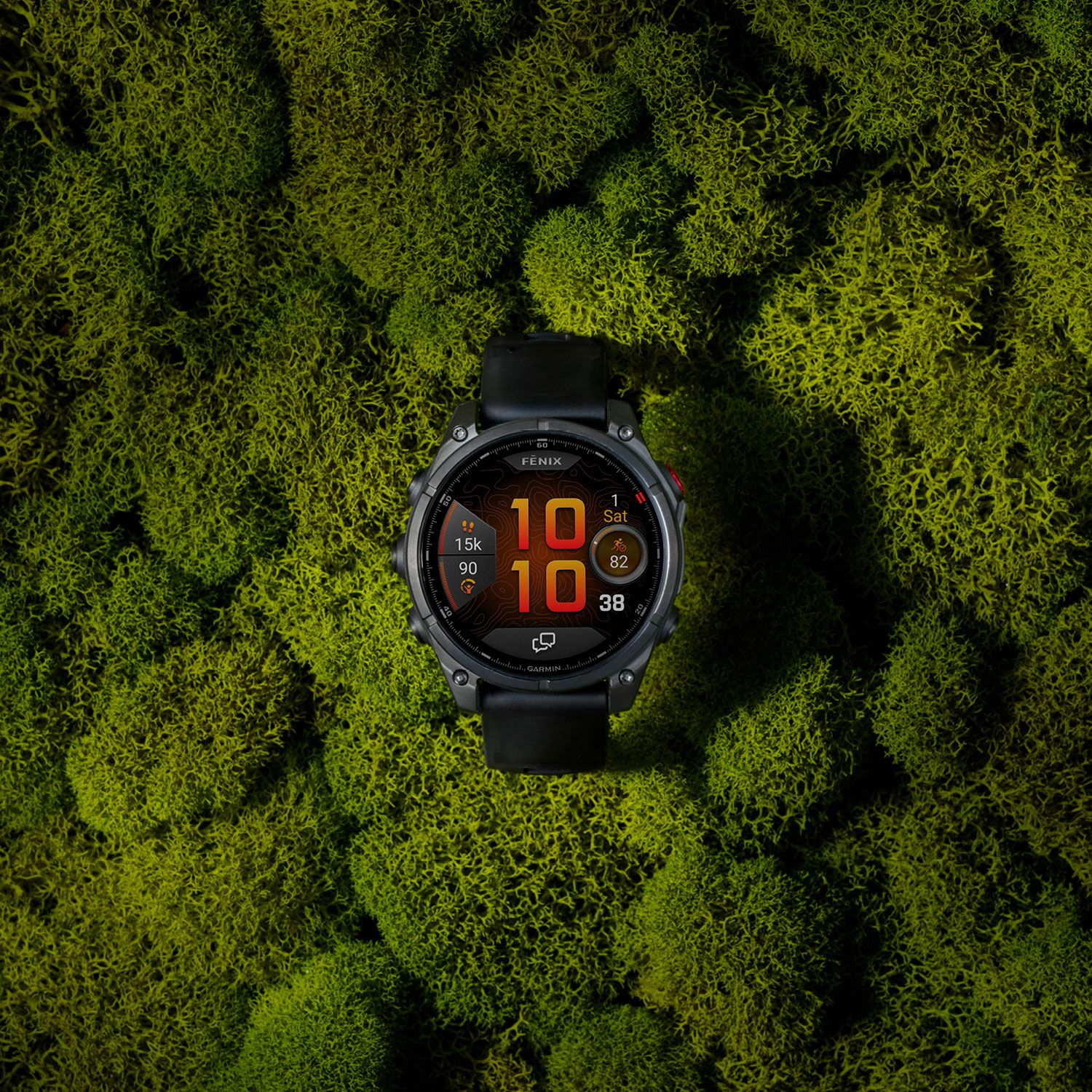
Training through the winter can be lonely. Use a multisport watch from brands like Garmin or COROS to track your splits. Seeing your transition times drop and your "brick" pace stabilize is a massive confidence booster.
Race Day Kit
While you don't need a professional setup to finish your first race, the right duathlon training gear makes the experience much more comfortable.
The Essentials: Clothing
The Tri Suit: This is the gold standard for race day. A tri suit is designed to be worn for both the run and the bike. It features a thin chamois (padding) that provides comfort on the saddle but is low-profile enough that it won't chafe or feel like a diaper while you run.
Shop Duathlon Suits / Tri Suits
Weather Protection: Many duathlons take place in the shoulder seasons (Spring/Autumn). If it’s chilly, utilise arm warmers and a base layer. A sleeved tri suit can also offer an aerodynamic advantage, saving you roughly 15-20 watts on the bike compared to a sleeveless version.

The Bike Leg
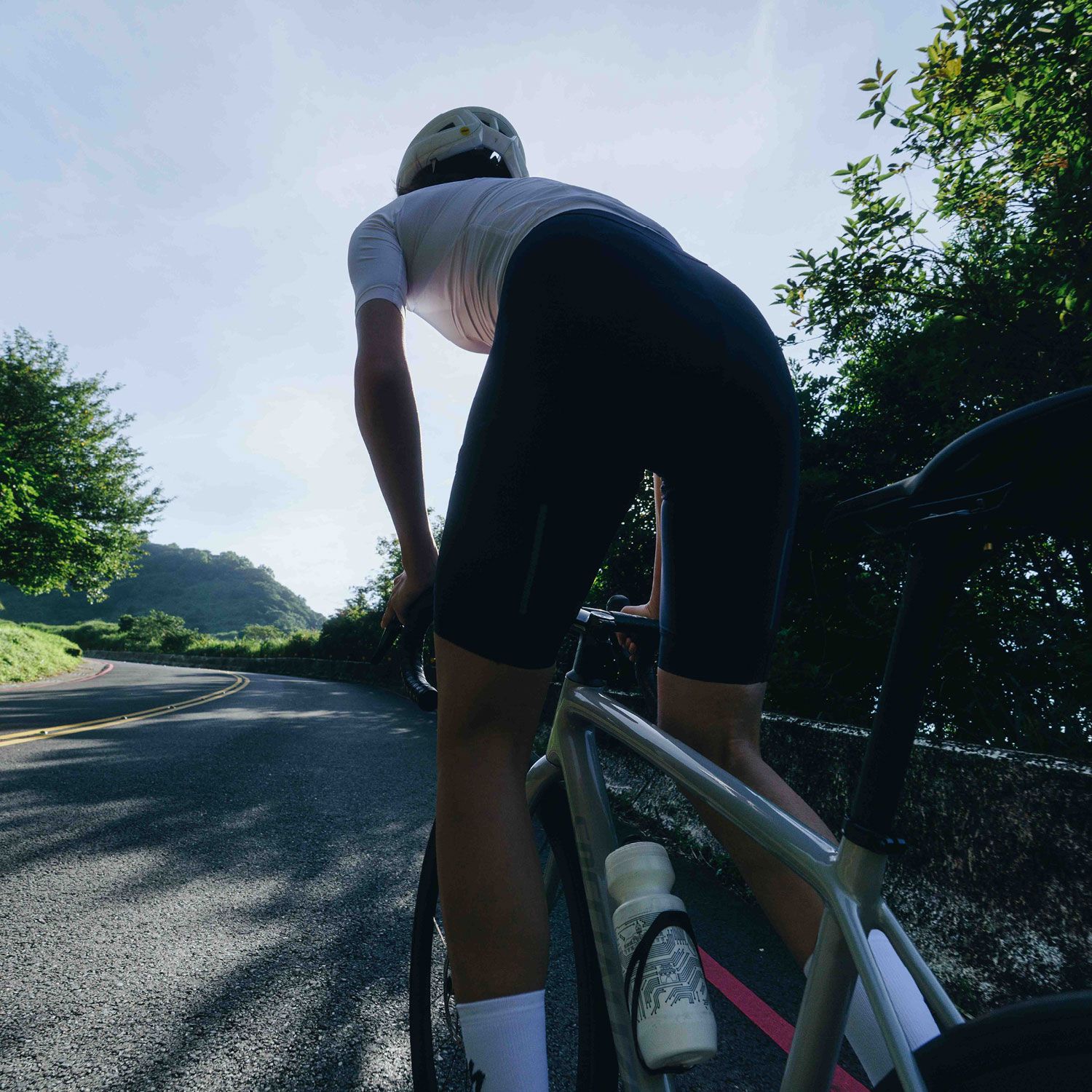
The Bike: A standard road bike like the Specialized Tarmac is perfect for most. If you become more competitive, you might look into a dedicated TT (Time Trial) bike for maximum aerodynamics.
Cycling Shoes: If you use clipless pedals, triathlon-specific cycling shoes often feature a single wide strap and a heel loop, making them much faster to pull on during T1.
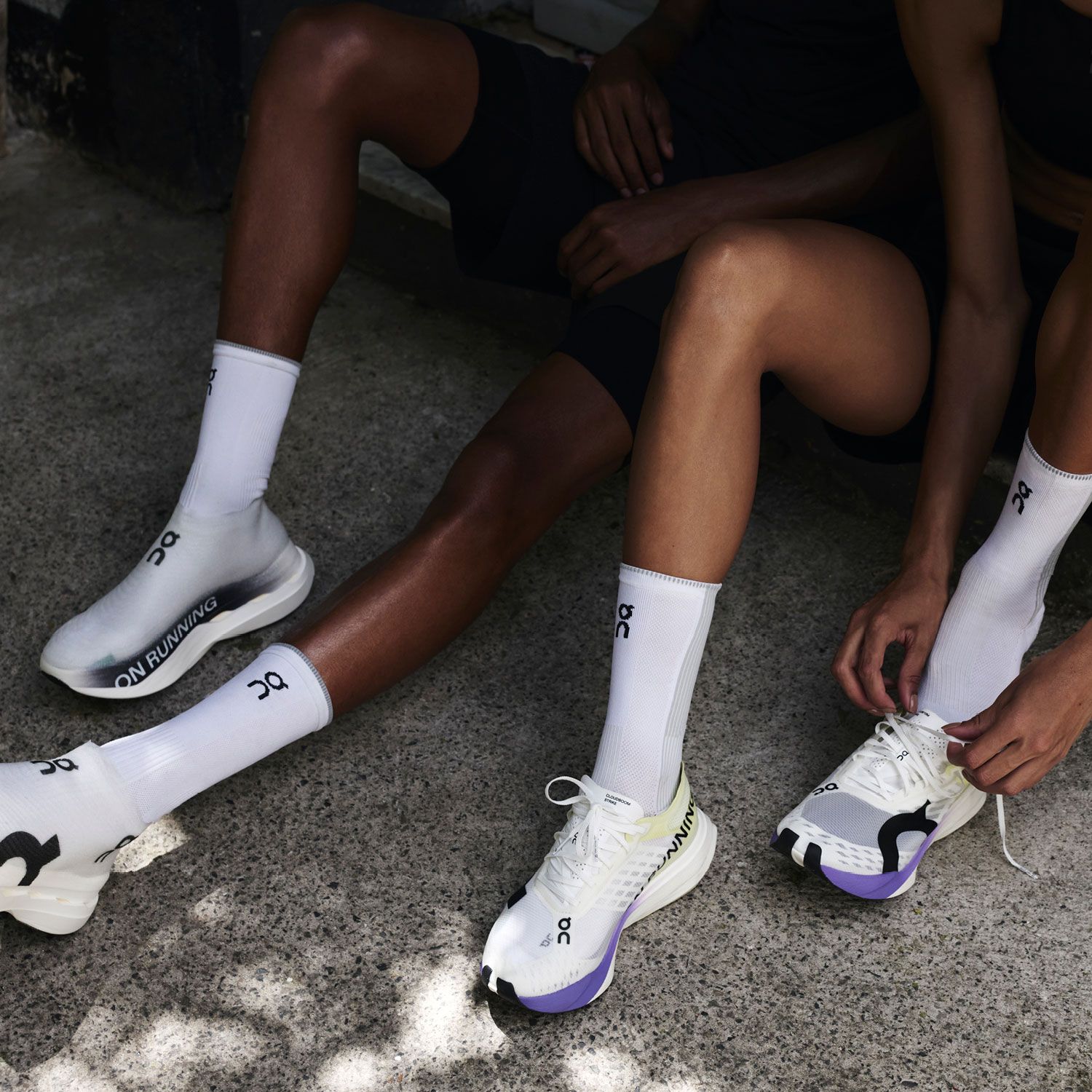
Running Shoes: Use shoes you are familiar with. For beginners, the Brooks Adrenaline or On Cloudsurfer offer great support. For those hunting a podium, carbon-plated shoes like the On Cloudboom provide maximum energy return.
Elastic Laces: This is the cheapest "speed upgrade" you can buy. Replacing standard laces with elastic laces (like those from HUUB) allows you to slip your shoes on in seconds without fumbling with knots, a lifesaver when your fingers are cold.
Accessories and Nutrition
Race Belt: Instead of safety-pinning your number to your clothes (which you can't flip around), a race belt allows you to rotate your number to the back for the bike and the front for the run.
Transition Bag: Keep your life organised. A dedicated bag like the Zone3 Transition Bag has separate compartments for wet gear, helmets, and shoes, ensuring you aren't "blindfolded" looking for your gear in the transition zone.
Nutrition: For anything longer than a Sprint, you’ll need on-bike nutrition. Energy gels or bars are essential for keeping your glycogen levels topped up for that final run.
Final Thoughts
The duathlon is a fantastic gateway into the world of multisport. It strips away the complexity of the swim and focuses on the raw power of the legs and lungs. By following a structured duathlon beginner guide, focusing on pacing, practicing your transitions, and choosing the right kit, you’ll be well-prepared for the start line. The effort you put into training during the "off-season" will pay massive dividends for your fitness levels year-round.
So, grab your trainers, pump up your tyres, and embrace the run-bike-run.
Shop Duathlon Kit