Finding the best winter cycling socks can make a surprising difference to comfort, performance, and motivation during cold-weather rides. While overshoes and winter shoes get most of the attention, socks are the first layer of defence against cold feet and the wrong choice can leave you numb, sweaty, or blistered before the ride is over. This guide breaks down everything cyclists should consider when buying winter cycling socks, from insulation and materials, to fit and riding discipline. Whether you're riding road, gravel, or MTB through the colder months, understanding these features will help you choose cycling socks that work with your footwear and riding conditions, not against them.
Why Winter Cycling Socks Matter
Cold feet aren't just uncomfortable, they can affect circulation, pedalling efficiency, and overall ride enjoyment. Winter cycling socks are specifically designed to:
- Retain warmth without overheating
- Manage moisture during hard efforts
- Protect against wind chill and cold air
- Work seamlessly with winter cycling shoes or overshoes
Proper fit and compression in winter cycling socks help maintain optimal blood flow, which is essential for keeping feet warm and reducing fatigue during cold rides.
Unlike summer socks, winter versions prioritise thermal regulation and comfort over long rides, often using thicker fabrics, insulating fibres, and taller cuffs.
Best Winter Cycling Socks - ASSOS Winter Socks
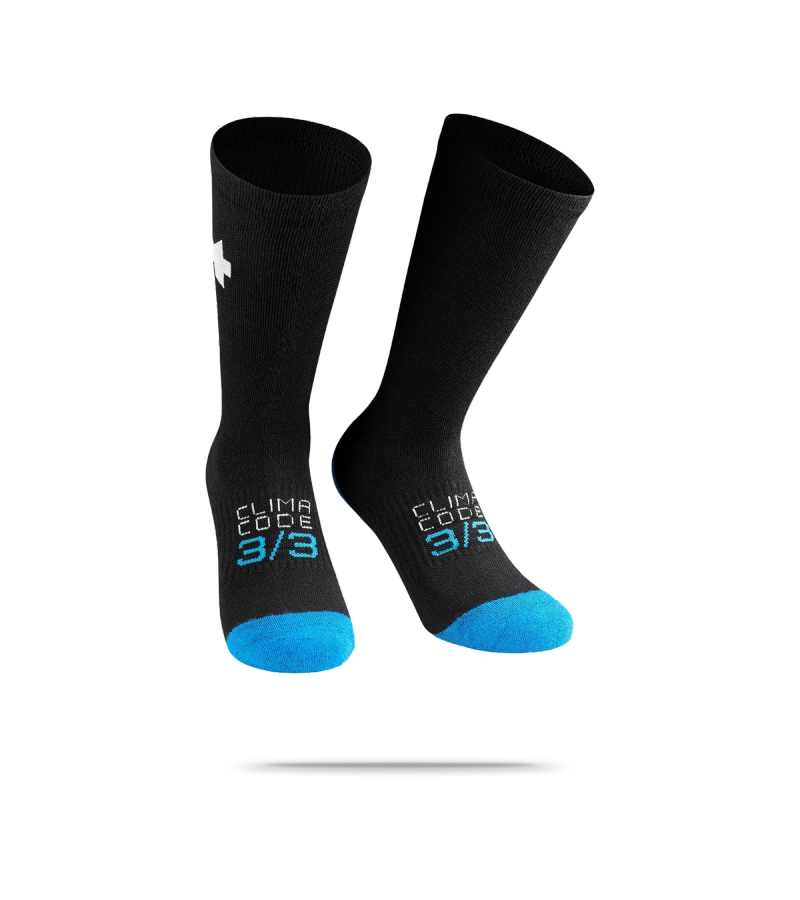
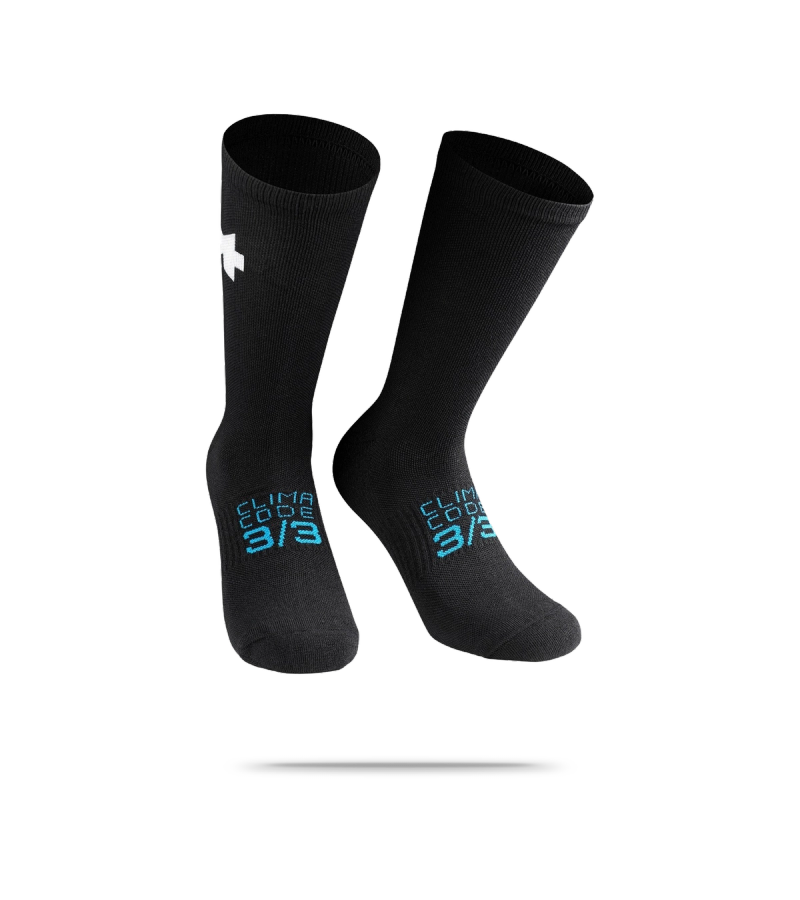
Designed to keep feet warm and comfortable through cold winter rides, the Assos Winter Socks P1 combine an insulated body and cuff with extra warmth around the toes, while breathable yarns wick away moisture to help prevent cold, clammy feet. A seamless, lightly compressive construction provides a smooth fit inside cycling shoes, while the 18cm cuff extends coverage beneath tights, leg warmers and overshoes.
Key Performance Features
- Warmth & insulation – thermal fabrics, insulated zones and extra protection around the toes.
- Moisture management & breathability – moves sweat away from the skin to help feet stay dry and warm.
- Fit & comfort – seamless construction, supportive compression and minimal bulk inside cycling shoes.
- Cuff height & coverage – taller cuffs help eliminate gaps between socks, tights and overshoes.
- Odour resistance – useful for maintaining freshness during long rides and repeated winter use.
- Layering compatibility – enough warmth without excessive thickness that could make cycling shoes tight and restrict circulation.

Assos
Winter Socks P1

Best Winter Road Cycling Socks - Rapha Pro Team Winter Cycling Socks
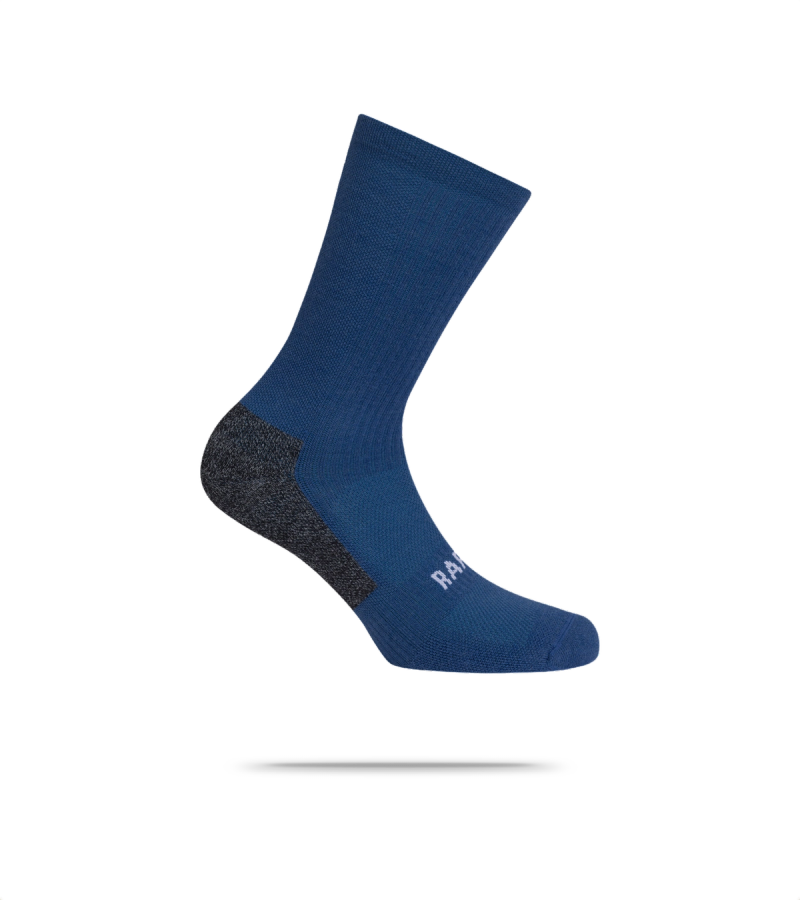
Designed for cold winter rides, the Rapha Pro Team Winter Cycling Socks use lightweight merino wool to deliver excellent warmth without adding unnecessary bulk inside your cycling shoes, while retaining insulation even when damp. A tall cuff adds extra coverage, while reinforced heels and toes improve durability and the naturally anti-odour merino blend helps maintain freshness.
Key Performance Features
- Lightweight Warmth – Merino wool insulation without excessive bulk.
- Moisture Management – Merino retains warmth even when damp.
- Breathability – Thin construction helps regulate temperature and prevents overheating.
- Secure, Low-Bulk Fit – Sits comfortably inside close-fitting cycling shoes without restricting circulation.
- Extended Coverage – Tall cuff provides additional warmth and integrates well with tights or leg warmers.
- Durability – Reinforced heel and toe areas protect high-wear zones.
- Natural Odour Resistance – Merino wool helps maintain freshness on longer rides.

Rapha
Pro Team Winter Cycling Socks

Best Winter MTB & Gravel Cycling Socks - Fingerscrossed Merino Winter Cycling Socks
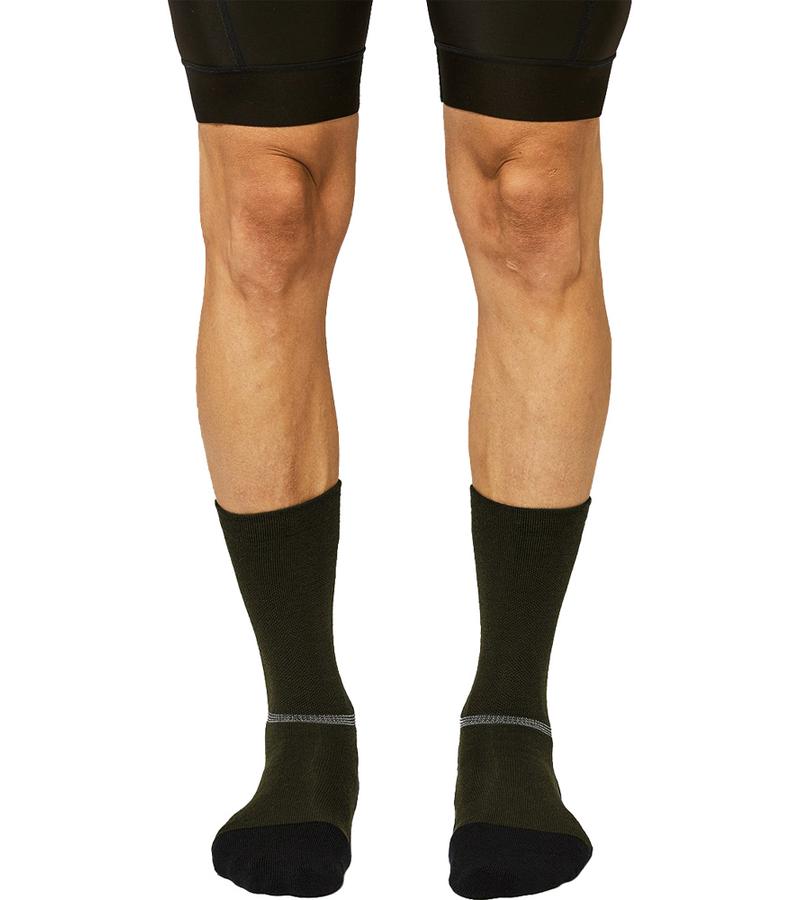
Warm and comfortable for cold-weather riding, the FINGERSCROSSED Merino Winter Socks combine a generous merino wool content with a slightly thicker construction for extra insulation, while moisture-wicking fibres help keep feet dry. A tall cuff adds coverage, with reinforced toes boosting durability and reflective bands improving visibility during darker winter rides.
Key Performance Features:
- Enhanced Warmth – Merino wool and a thicker construction provide extra insulation in cold conditions.
- Moisture Management – Highly moisture-wicking fibres help keep feet dry and comfortable.
- Comfort – Soft merino blend adapts to the foot for a cosy, supportive fit.
- Extended Coverage – Tall cuff provides additional protection up the lower leg.
- Durability – Reinforced toe sections improve resistance to regular wear.
- Low-Light Visibility – Reflective bands add visibility between cycling shoes and tights.

FINGERSCROSSED
Merino Winter Cycling Socks
Best Merino Winter Cycling Socks - ASSOS Ultraz Winter Socks P1
Designed for the coldest winter rides, the Assos Ultraz Winter Cycling Socks combine triple-layer insulation with merino wool to deliver exceptional warmth while remaining breathable and insulating even when wet. A seamless 160-needle construction provides a smooth, secure fit inside cycling shoes, while the tall 18cm cuff extends protection beneath tights and leg warmers.
Key Performance Features
- Maximum Insulation – Triple-layer construction provides high levels of warmth around the toes and midfoot.
- Breathability – Helps manage heat and perspiration to keep feet comfortable and dry.
- Wet-Weather Warmth – Merino fibres continue to provide insulation when wet.
- Seamless Comfort – 160-needle construction reduces bulk, pinching and irritation inside cycling shoes.
- Extended Coverage – Tall 18cm cuff integrates with tights and leg warmers for gap-free protection.
- Natural Odour Resistance – Merino wool helps maintain freshness during long winter rides.

What to Look for in the Best Winter Cycling Socks
1. Thermal Insulation
The primary job of winter cycling socks is to keep your feet warm. Insulation levels vary depending on intended use, so consider:
- Light thermal socks for cool but dry conditions
- Mid-weight winter socks for typical UK winter riding
- Heavily insulated socks for long, slow rides in cold winter conditions
Choosing the right thickness is crucial, thick socks can help your feet feel warmer in cold conditions, but if they're too bulky, they may not fit well in all cycling shoes and could restrict circulation. Good insulation traps warm air close to the skin while still allowing heat to escape during harder efforts; the right thickness of sock helps balance warmth and comfort, and thick socks are best reserved for the coldest rides. In cold winter conditions, a thin inner layer under a merino pair can help you stay warm without excessive bulk.
2. Material Choice & Moisture Management
The foundation of a warm winter ride is a fabric blend that balances insulation with active moisture wicking to prevent the "sweat-chill" effect. Selecting high-quality materials ensures your feet stay dry and regulated, even as your effort levels fluctuate.
- Merino Blends: Naturally insulating and odour-resistant, a merino blend stays warm even when damp while delivering quick wicking and added durability.
- Technical Synthetics: Fast-drying fibers pull sweat away from the skin to maintain a dry internal microclimate and help keep feet dry during high-intensity efforts.
- Performance Design: Leading brands utilize these advanced blends to provide a low-bulk fit that manages moisture effectively for long-distance comfort.
Often, the right socks combine a merino blend with compression at the arch and ankle for a secure fit and strong value.

3. Coverage and Precision Fit
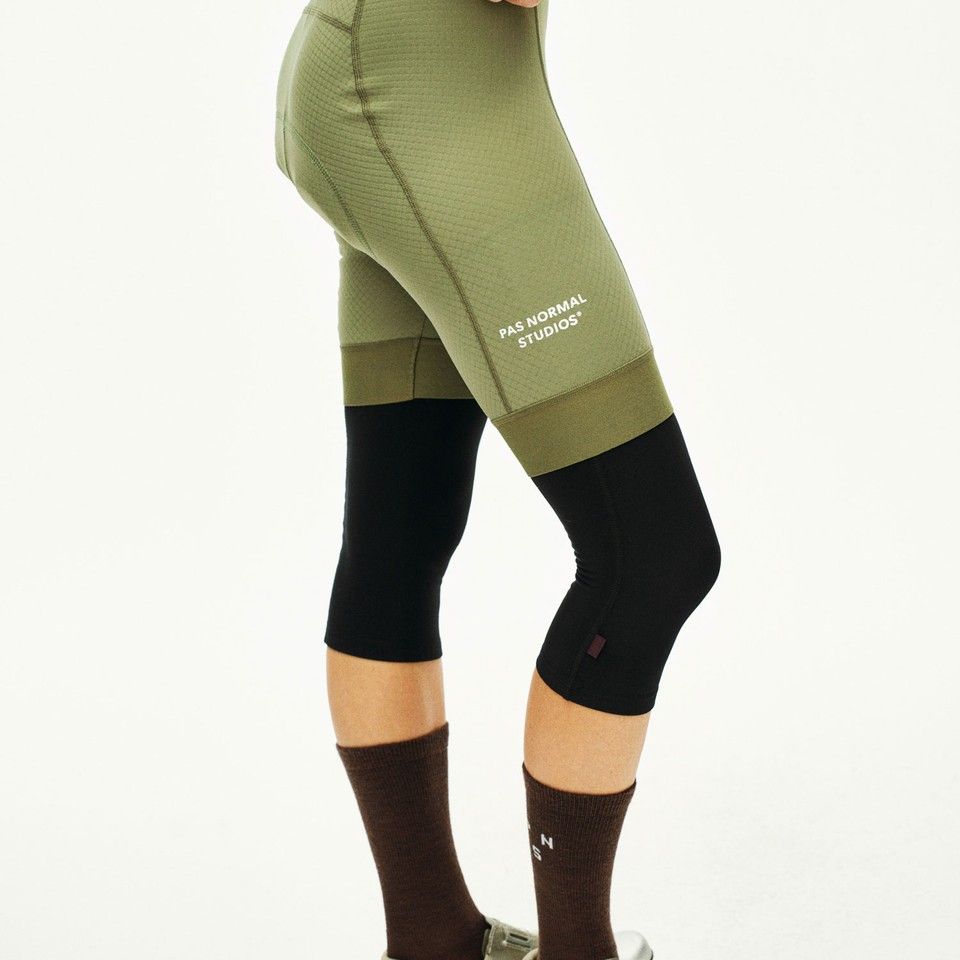
Selecting a sock with a mid-calf to high-cuff sock height is essential for bridging the gap between your shoes ensuring no skin is exposed to freezing wind or road spray. This coverage must be paired with a snug, compressive fit that supports the arch and prevents material bunching, which is critical for maintaining circulation and avoiding friction during long winter efforts.
- Extended Coverage: A long cuff adds extra warmth and coverage at the ankle and lower leg, integrating seamlessly with leg warmers or overshoes.
- Secure Ergonomics: Reinforced heels and stretch panels ensure the sock stays in place and fit comfortably inside the shoe to prevent "cold spots" and hot-spot friction.
- Circulation Management: A precision fit provides light compression to reduce fatigue without being tight enough to restrict blood flow.
4. Cushioning and Shoe Compatibility
Achieving the perfect winter setup requires a careful balance between underfoot comfort and the internal volume of your winter footwear. While strategic padding can dampen vibrations and protect against the cold, maintaining proper circulation is vital, and medium-thickness cycling specific socks often work better than standard thick options because they preserve shoe volume; warmth is generated by trapped air, not by compressing your foot into a tight shoe.
- Optimised Comfort: Light cushioning reduces pressure points and impact on rough winter roads without overstuffing your shoes.
- Maintain Circulation: Avoid overly thick socks that restrict blood flow, as poor circulation is a primary cause of cold feet.
- Strategic Fit: Medium-weight socks often provide superior warmth by allowing enough room for insulating air to circulate within the shoe, unlike normal socks that can bunch or fit less securely inside cycling shoes.
How to Layer Winter Cycling Socks Effectivley
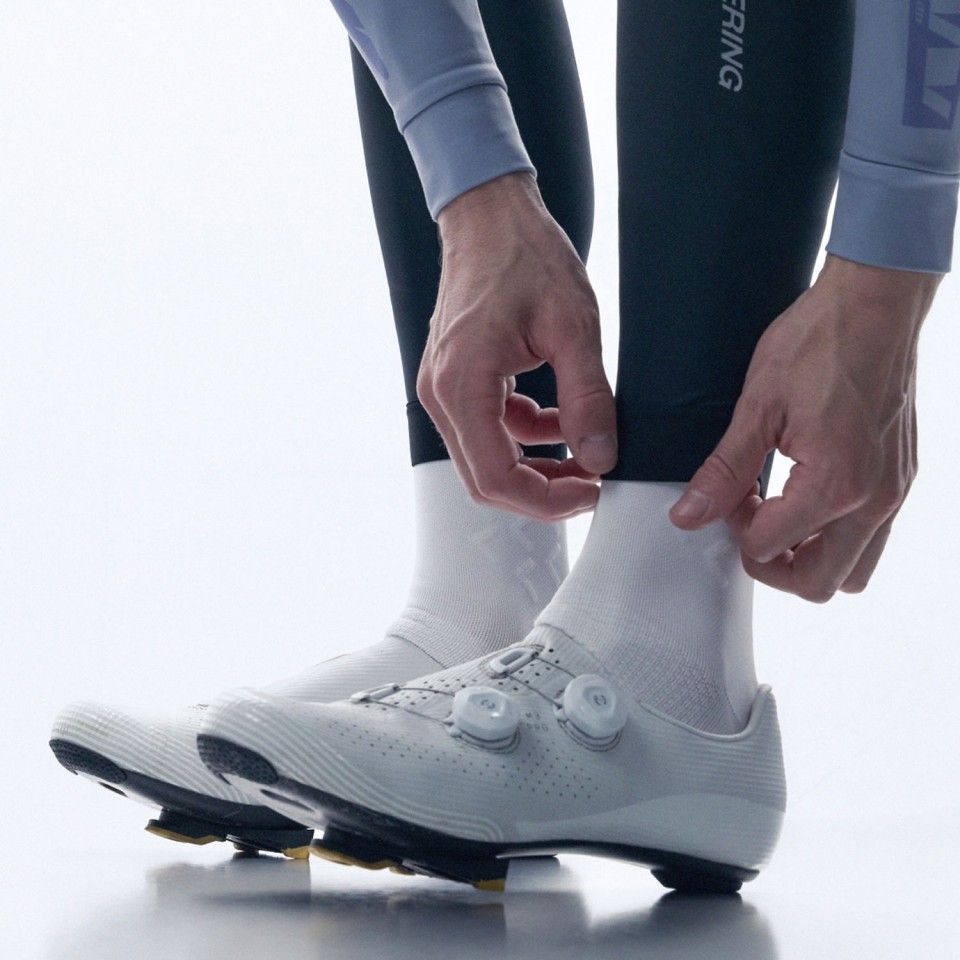
In freezing conditions, layering is a great idea, especially when combined with bib tights for maximum warmth and insulation, and one pair is usually enough unless conditions are extreme.
Tips:
- Avoid double-socking if it restricts circulation
- Use socks that complement overshoes, not replace them
- Focus on consistent warmth rather than maximum thickness
Often, the best winter cycling socks paired with appropriate overshoes outperform multiple thin layers.
For wet weather, waterproof socks are a practical option when you need dry feet in normal cycling shoes. To understand how waterproof socks work, look for a mid-layer with a micro-porous waterproof membrane that expels sweat while blocking water, plus an inner layer for comfort; many designs also use an elasticated cuff to reduce ingress from above. Waterproof cycling socks can keep feet dry and warm, but they may leave feet a bit sweaty because they are less breathable than regular socks.
And wondering about caring for your cycling socks? To keep your winter cycling socks warm and durable, wash them in cold water on a gentle cycle to protect delicate merino and synthetic fibres. Avoid the tumble dryer in favour of air-drying, as high heat can damage the elastic fit and moisture-wicking properties essential for British winters..
Final Thoughts: Finding the Best Winter Cycling Socks
The best winter cycling socks are the ones that suit your riding style, climate, and footwear, and the warmest winter cycling socks are not always the thickest pair if fit and shoe volume are compromised. By focusing on insulation, materials, moisture control, and fit, you can stay comfortable and warm throughout the colder months; in early winter, lighter warm socks may be enough before deeper cold sets in, and it's crucial to choose socks that perform well in winter conditions and wet conditions to ensure optimal protection and performance.
Of course, we do stock a wide range of cycling socks for year round cycling enjoyment. In wet weather, waterproof socks are worth considering if your priority is keeping feet dry rather than maximum breathability.
Winter Cycling SocksAll Cycling SocksFeatured Products