
Our Top Tips For Winter Running
When the temperature plummets and conditions deteriorate, staying comfortable and warm when running is key. Running in cooler weather can actually boost cardiovascular fitness by making your heart work harder to circulate blood and regulate body temperature, and it can also improve mood by triggering the release of endorphins and reducing stress.
Former Commonwealth Games runner, Michelle Dillon, has provided us with her top winter running tips to help you stay on track all season long. Choosing the right gear for winter running is essential to stay warm, dry, and comfortable during your outdoor runs.
Expert Advice for Running in Cold Weather
If you are anything like myself and your hands, face and feet freeze up in the cold, then you have to make sure you are wearing the appropriate cold weather running gear. In cold conditions, the body spends less energy on heat regulation, which can help you maintain your performance and endurance.
Taking the correct measures ensures you feel comfortable and stay as warm as possible when you are out training. When running in cold conditions, your body vasoconstricts blood vessels to direct warm blood to the core, which can lead to cooler extremities. Extremities require dedicated protection since they cool down faster than the core body. Wearing gloves and a buff helps maintain your body's core temperature and avoid cold-related injuries.
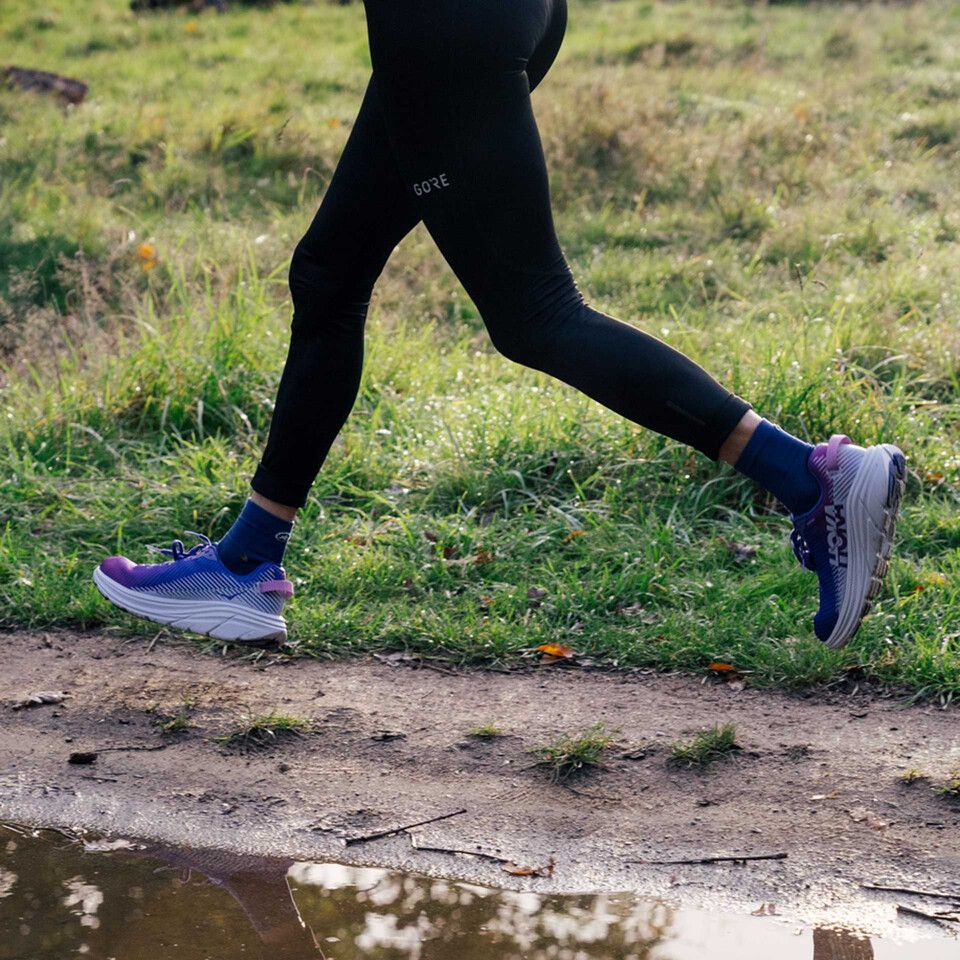
Running Base Layers
I always say if you have the right clothing, you can go out in any conditions. Layering starts with keeping your core warm. Base layers can include long sleeve tops, short sleeve, and sleeveless options, depending on the temperature and personal preference. A long-sleeve top made of synthetic fibers or Merino wool serves as an effective base layer for moisture management. Merino wool or synthetic long-sleeve tops keep sweat away from skin to prevent freezing. Look for base layer garments with flat seams to reduce chafing and mesh panels to improve breathability.
To avoid overheating, choose lightweight, moisture-wicking base layers that balance warmth and airflow. At Sigma Sports we have a variety of base layers designed to wick away sweat and keep you dry during winter runs. Wear a base layer garment that fits close to the body; this keeps you warm while wicking moisture away from the skin to prevent you from getting the “chills” once you start sweating.
Insulating Layers
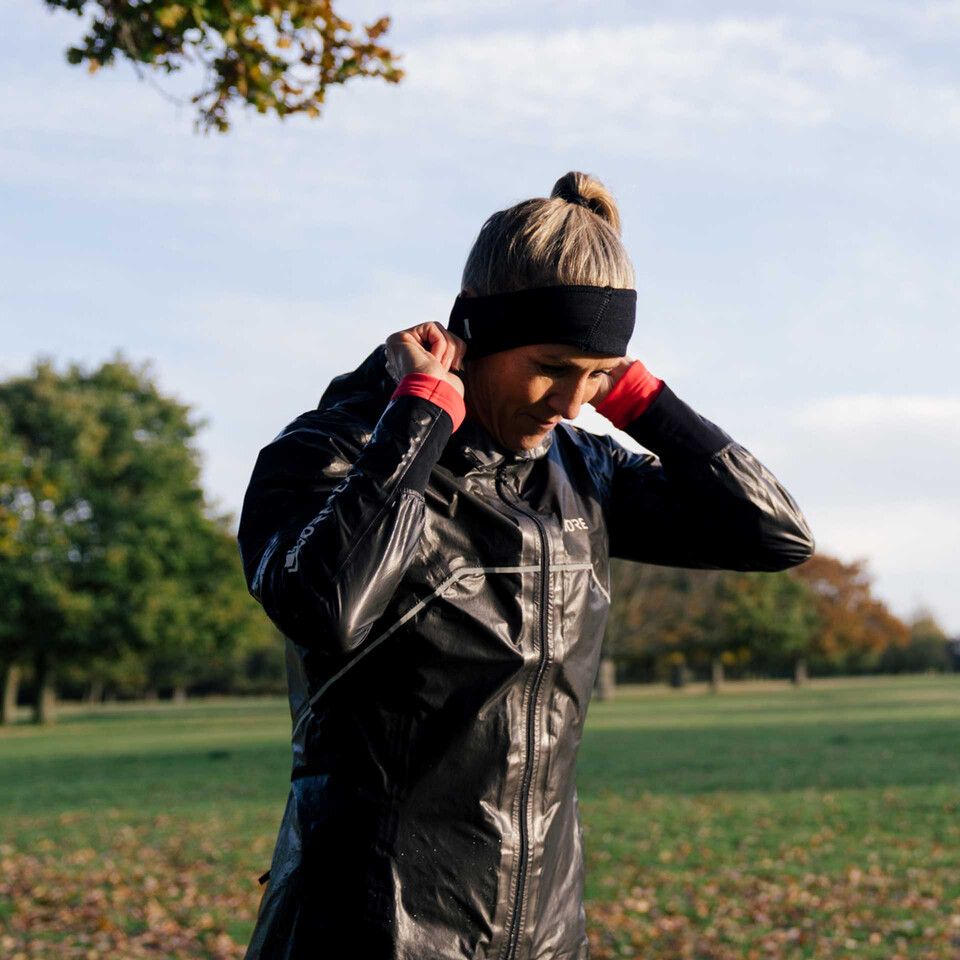
The weather is changeable, so it is good to have a selection of clothes you can layer up or take off. The insulating layer, also known as the second layer, is crucial for trapping body heat and maintaining core warmth. A light fleece or long-sleeve technical top is a popular choice for a mid layer due to its excellent warmth-to-weight ratio and breathability. Mid layers made with flat seams and technical fabrics help reduce chafing during your run. Some garments are powered by advanced insulation or heat-regulating technologies to further enhance comfort and warmth.
Look for features like thumb loops, which help keep sleeves in place and provide extra coverage for your hands, especially when gloves or layers don't fully cover your wrists. Adding extra layers on top, like a gilet, acts as a windbreaker for your chest with the added benefit of pockets for your phone and keys. For deeper freezes, I like a long-sleeve windbreaker which is light and breathable yet provides that essential snug fit for added warmth.
Footwear for Running in Cold Weather
When it comes to running in cold weather, your choice of footwear can make all the difference in how comfortable and protected you feel. Investing in winter running shoes is a smart move for anyone serious about staying active through the colder months. These shoes are specifically designed as part of your essential winter running gear, offering enhanced traction and stability to help you navigate snowy, icy, or wet conditions with confidence. Look for running shoes that feature aggressive tread patterns and grippy outsoles, these will help you maintain your footing on slippery surfaces.
Weather resistance is also key; running shoes with waterproof or water-resistant membranes, such as Gore-Tex, will keep your feet dry in wet weather and slushy conditions. This added protection not only helps you stay warm but also prevents the discomfort and potential health risks associated with cold, wet feet. Don’t forget that the right winter running shoes should also provide enough insulation to trap heat without causing your feet to overheat.
A good fit is crucial, as shoes that are too tight can restrict circulation and make your feet feel even colder. By choosing the right footwear for running in cold weather, you’ll be able to tackle winter runs with greater comfort, safety, and enjoyment, no matter how challenging the weather gets.
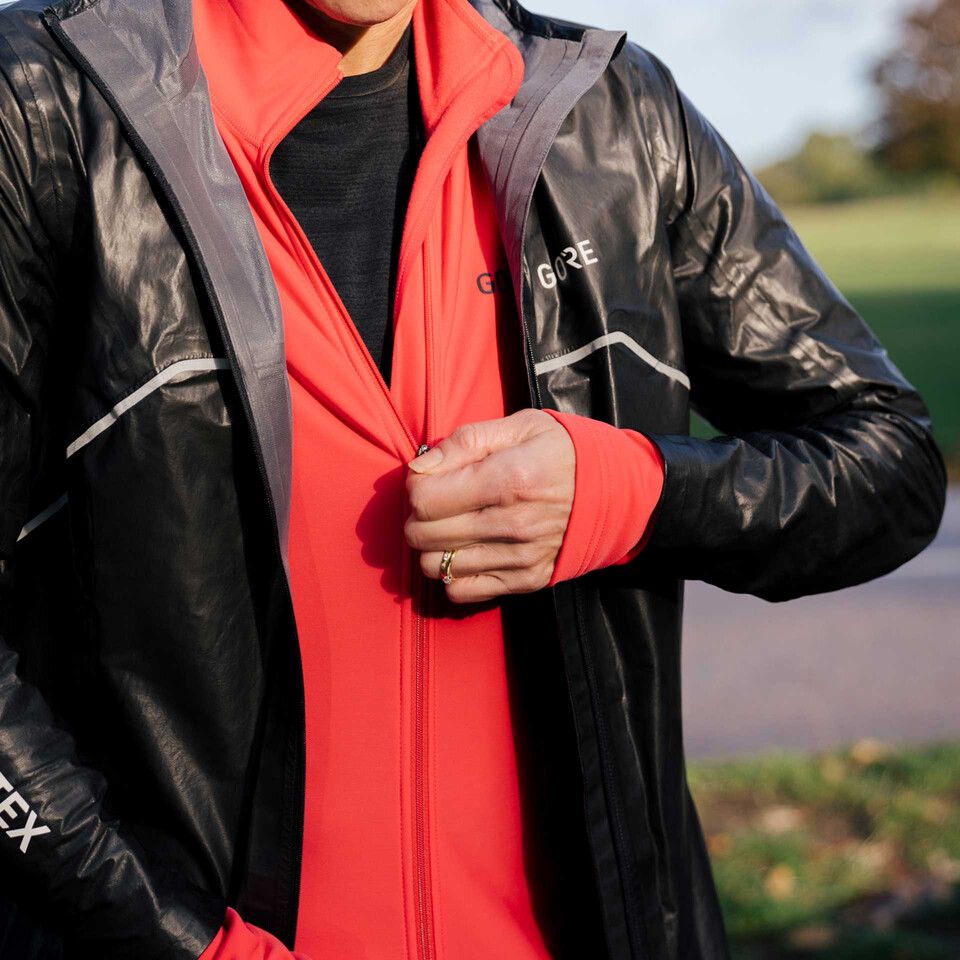
Accessories for Cold Runs
Keeping your extremities warm when running in cold weather is incredibly important.
Running gloves: Invest in quality running gloves to keep your hands warm, maintain dexterity, and help preserve core temperature. They also help prevent cold-related injuries such as chilblains and keep your hands dry.
Headwear:Studies show that 7-10% of heat is lost through your head. I prefer a headband made of warm material that covers the ears. A beanie, headband, or neck gaiter (buff) also protects your ears and neck from the cold.
Buff or scarf: Wearing a buff or neck gaiter helps protect your neck and warms the cold air you breathe in, reducing dryness, discomfort, and the risk of bronchoconstriction during winter runs.
Reflective clothing and accessories: Due to shorter daylight hours in winter, wearing reflective clothing and accessories is essential for visibility and safety during your runs.
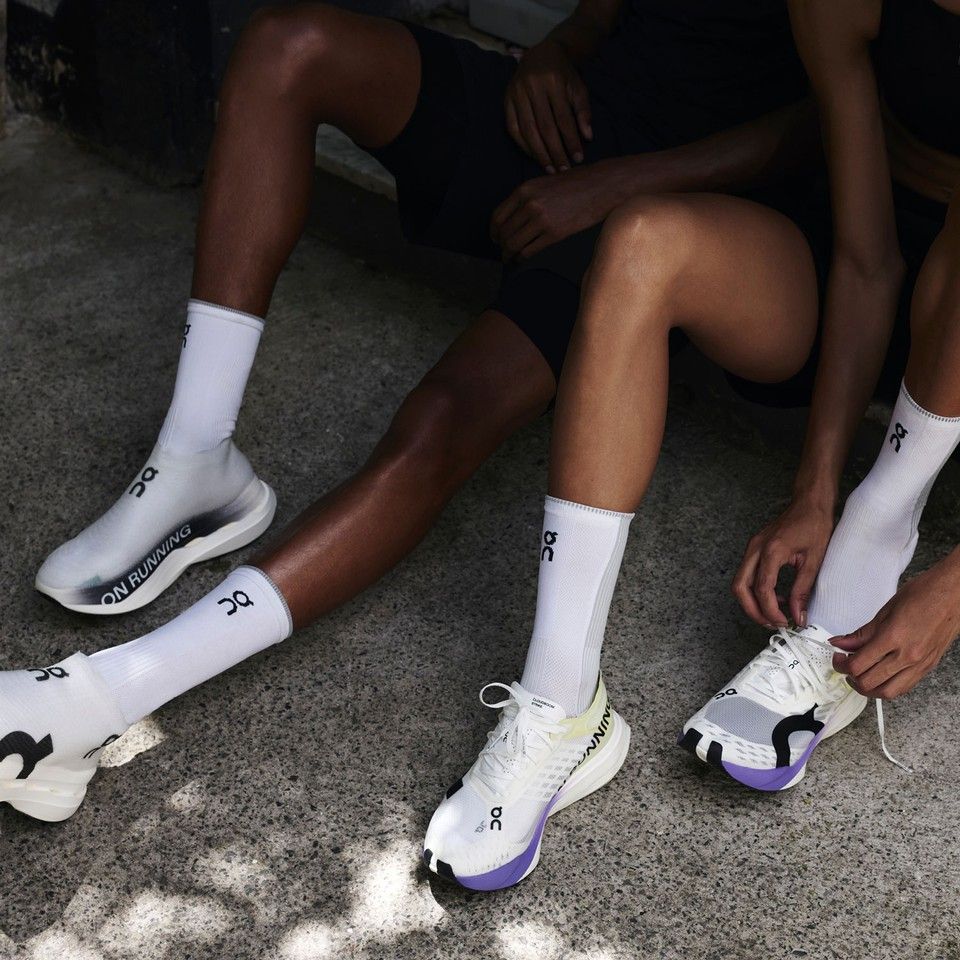
Socks: If my feet are cold, I feel like I’m running on tree stumps! Choose tall, moisture-wicking socks to cover the gap between tights and shoes, and opt for a thicker, breathable running sock for winter to maintain blood flow to your toes.
Weather Protection and Managing Your Temperature
What if it’s raining? Your jacket serves as the outer layer, designed to keep wind, rain, and snow at bay while allowing sweat and excess heat to escape. Choose a windproof, water-resistant, and breathable outer layer or rain jacket that provides protection in light rain and windy conditions. Make sure your outer layer does not restrict movement, so you stay comfortable and flexible during your run.
Running tights are a recommended option for cold weather, providing essential warmth and support. The choice between shorts and tights varies by person. While some braver runners stay in shorts even in the snow, I recommend trying shorts with compression tights underneath for muscle support and warmth. Running tights with mesh panels offer enhanced ventilation and moisture management, helping regulate your body temperature during activity. For very windy conditions, choose leggings with wind-blocking panels to prevent muscle seizures. Regardless of your choice, always warm up in full layers and put your thermals back on immediately for the cool down to help your muscles recover.
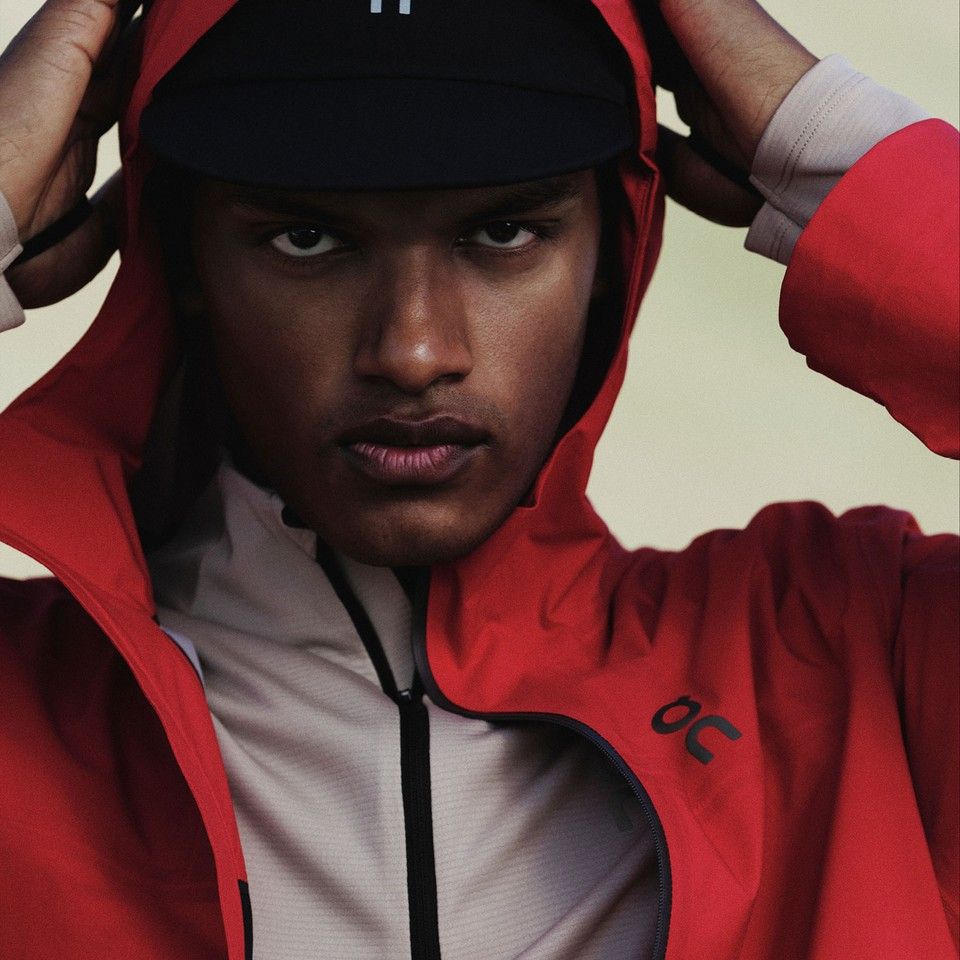
Choosing the right cold-weather running socks is as vital as your shoe choice for temperature regulation and comfort. Prioritise moisture-wicking materials like merino wool or synthetic blends, which pull sweat away from the skin to prevent blisters and chill. Avoid cotton at all costs, as it retains moisture and quickly leads to frozen, chafed feet.
For extreme cold, consider layering a thin base sock with a cushioned mid-layer to trap heat and block icy winds. Beyond warmth, cushioned socks provide essential impact protection for the high-mileage demands of winter training. Investing in a well-fitted, technical pair ensures your feet stay dry, warm, and protected across every winter mile.
Dress to Beat the Weather and Enjoy Your Winter Running
The colder weather shouldn't mean shuffling over to the sofa and hunkering down until spring and summer come around, get your run clothing choices right and enjoy those crisp mornings and sun-drenched winter days. It may feel colder outside but with clothing that offers sweat wicking technology and utilising the right layering system, you'll be able tackle the rain, wind or snow while maintaining the right body heat. Follow the link below to shop our range of run clothing and ensure you stay on top of your game whatever the temperature.
Winter Running Gear FAQs
Is it okay to run outside in the cold weather?
Yes, provided you dress appropriately. Be cautious of “black ice” after it snows; in these conditions, it is safer to run off-road on trails or grass where you have better grip than on frozen footpaths.
How do you protect your skin in the cold weather when running?
Protect your skin by covering up with thermal layers, gloves, and headwear. Use technical fabrics like Merino wool, polyester, or fleece, and avoid cotton as it absorbs moisture and can lead to rapid heat loss. For exposed areas like the face, ensure you stay hydrated and consider using a barrier cream or moisturiser to prevent windburn. Cushioned socks made from Merino wool are recommended for warmth and moisture-wicking properties during winter runs.
How many layers should I wear for winter running?
For cold weather running in 2026, wear a three-layer system: a synthetic or Merino wool base layer, a fleece mid-layer, and an outer layer such as a windproof jacket. The three-layer system is the best defense against cold weather when running. The outer layer is designed to keep wind, rain, and snow at bay while allowing sweat to escape. You should feel slightly cool when you first step outside, as your body temperature will rise quickly once you start moving.
How cold is too cold to run in shorts?
This is personal preference. If you are doing a high-intensity “threshold” session, shorts might prevent overheating. However, if it is below freezing or you are on a slow recovery run, tights or compression layers are recommended to keep the muscles supple. For extreme cold or windy conditions, consider using a neck warmer or balaclava for added protection.
What type of running shoes are best for the colder months?
The best shoes for winter feature water-resistant uppers (like Gore-Tex) and outsoles with deeper lugs for better traction on wet or icy surfaces. Trail running shoes are a good option, and if running on snow or ice, consider applying traction devices like spikes for extra grip.
How can I stay visible when running in winter?
Visibility in winter can be enhanced through the use of reflective gear, bright clothing, and headlamps. These help ensure you are seen by drivers and other road users in low-light conditions.