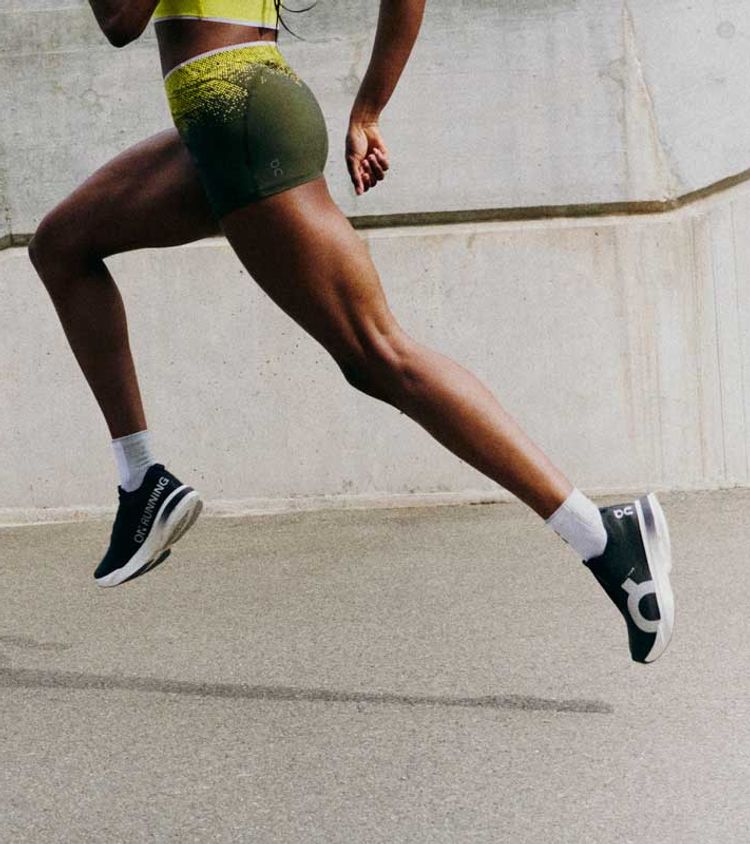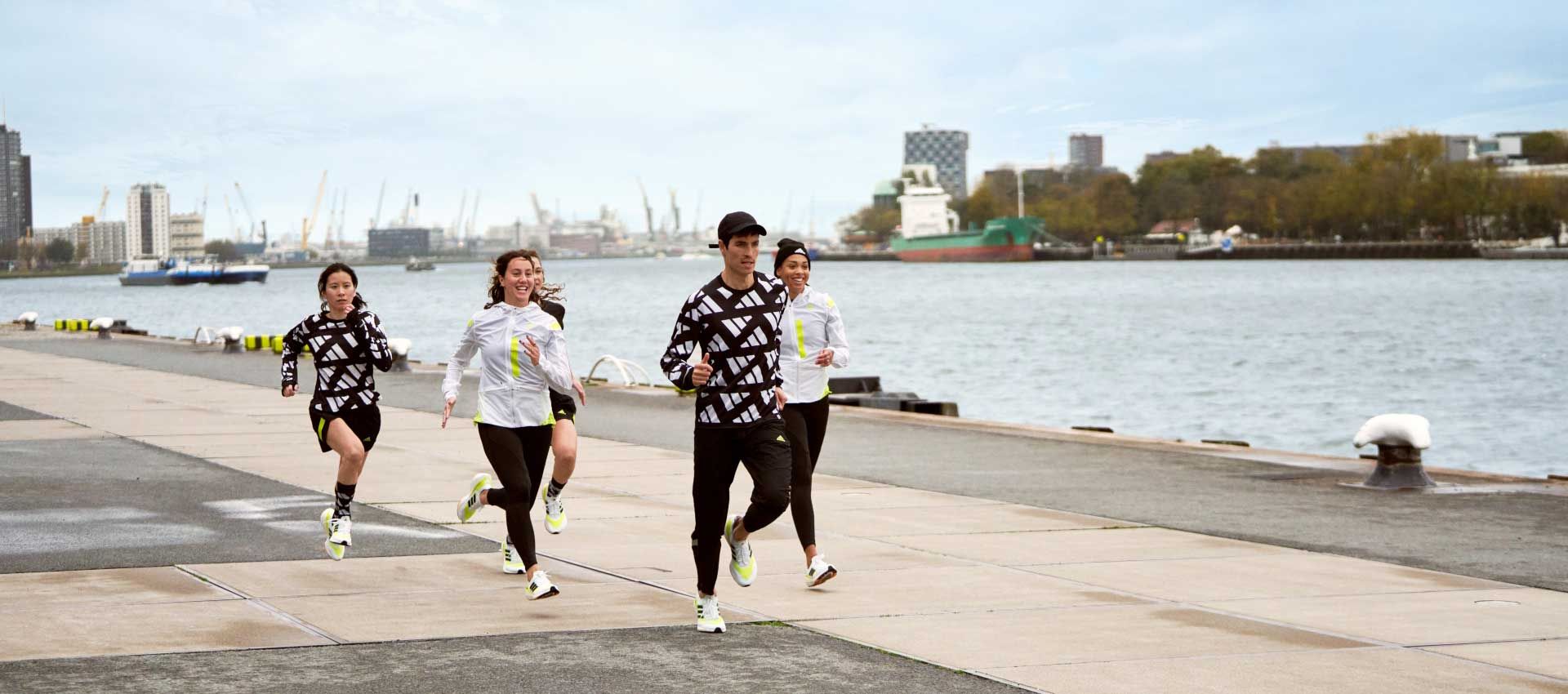
So you've decided to kick off your running journey, but what do you need to consider when getting started?
Whether you are planning on starting small or training up for your first marathon, choosing running shoes comes down to where and how you run, then matching the shoe's cushioning, support, grip, weight and fit to that.
For new and aspiring runners, running shoes are the most important part of your kit because the right pair can improve comfort, reduce unnecessary movement, help lower injury risk and make each run feel more efficient. But why choose a technical running shoe over a comfortable athleisure shoe?
In the sections below, we'll break down how cushioning, pronation support, outsole grip, shoe weight and fit affect your choice, along with a few practical tips to help you start and stick with your running routine.
Shop all running shoesRun shoe cushioning
Unlike your standard casual shoes, running shoes are there to ensure you are given adequate cushioning. This cushioning also improves energy return, supports shock absorption, so you can be more efficient and reduce the chance of injury. Foam technologies used by the likes of On Running's with their Helion technology are worth considering. Midsole foam formulation affects cushioning feel and durability, and firmer options provide less shock absorption.
Max cushioning is often preferred for long-distance running, recovery runs, and heavier runners, while some beginner runners also appreciate a noticeably softer, plush cushioning feel.
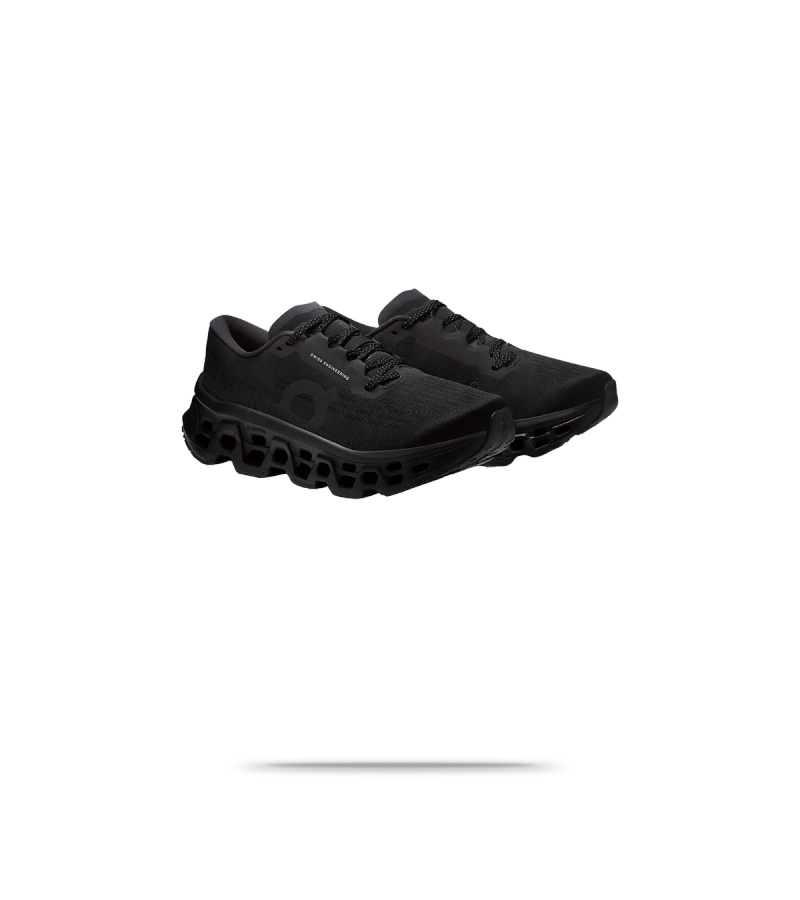
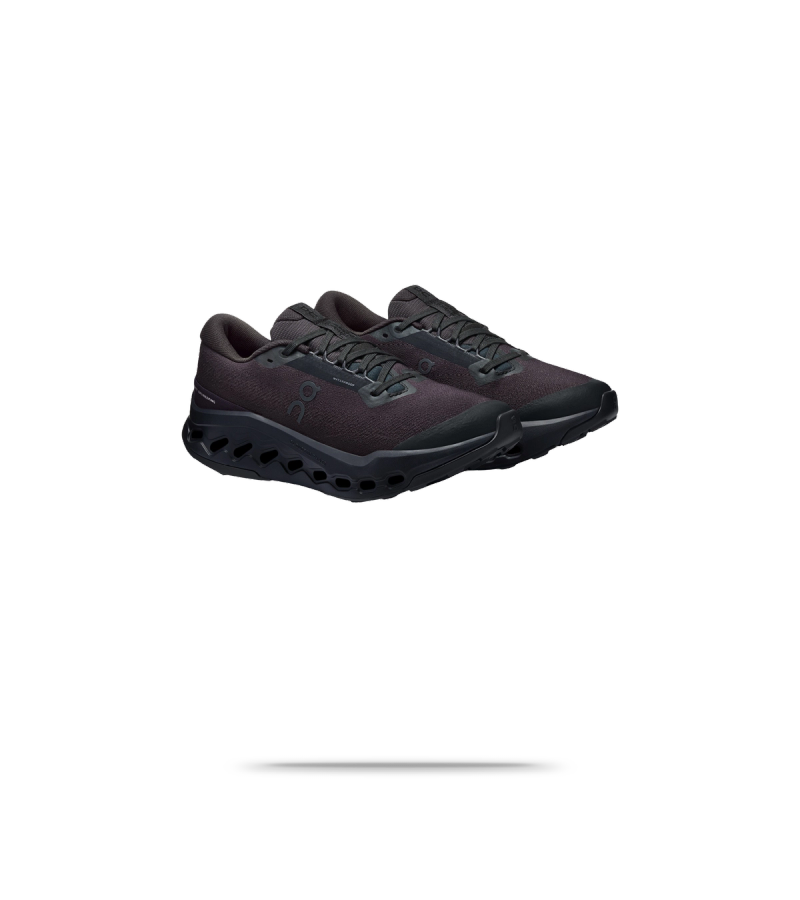
Sigma Sports’ pick for best cushioned running shoes: On Cloudmonster 3
- High-cushion, high-energy - triple layer of CloudTec® cushioning.

On Running
Cloudmonster 3 Men's Running Shoes

On Running
Women's Cloudmonster 3 Running Shoes
Supportive running shoes
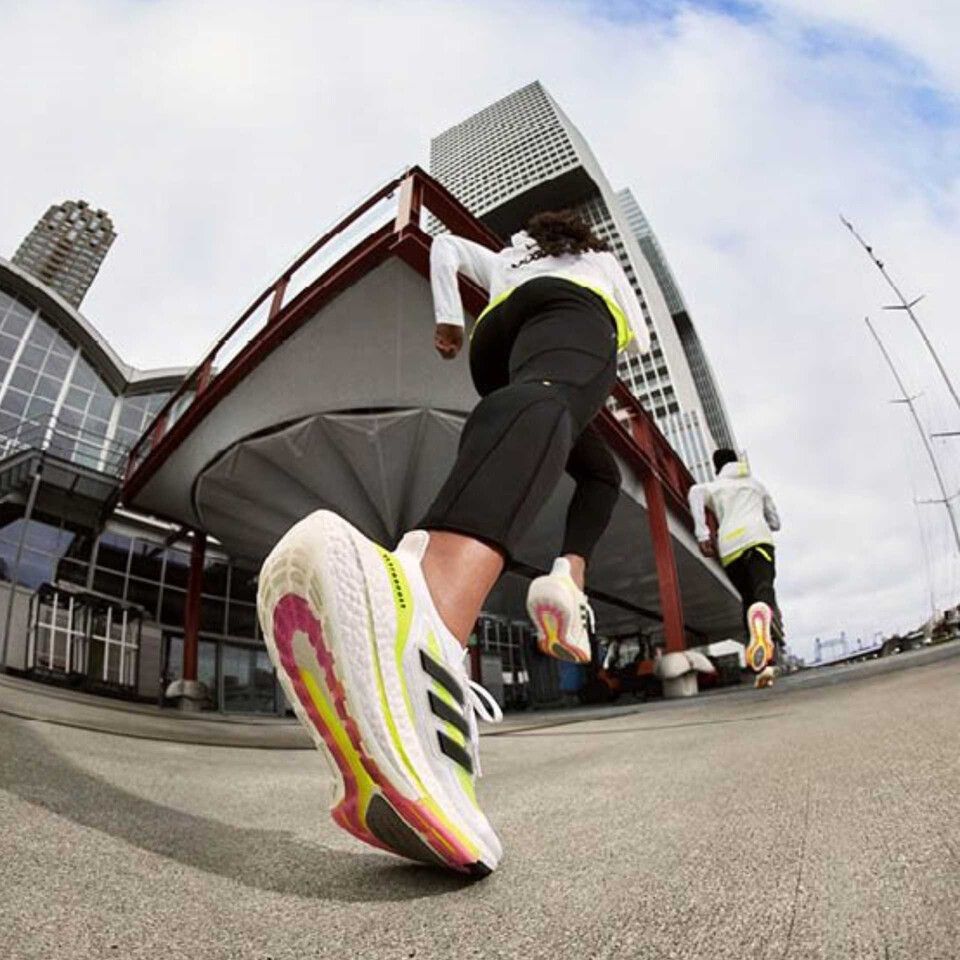
The upper and lacing in a technical running shoe add structure around the foot and reduce any movement. This in turn also reduces the chances of an injury. You'll often find a more secure heel cup and constructive elements around the midfoot to aid this. To ensure you are getting the right level of support, it helps to understand that pronation is the natural inward roll of the foot during running and that the amount of that roll affects support needs.
Your foot type and arch type change how your foot absorbs shock, so runners with flat feet often benefit from more guidance from a stability shoe, while neutral pronation will usually suit a neutral shoe. Getting to grips with this will help in getting the right level of comfort for your running style.
Take a look at your current pair of running shoes. If the shoes are wearing closer to the inside of the foot, it may suggest excessive inward rolling, and if your foot rolls inward beyond the normal range, extra support can help; stability shoes often use dual-density midsoles for that added control. Heel strikers may prefer a higher heel-to-toe drop, as heel strike pattern and comfort can both be affected by heel drop. A gait analysis at a running shop can help identify your foot type, whether you are a heel striker, and if you need a neutral shoe or stability shoes.
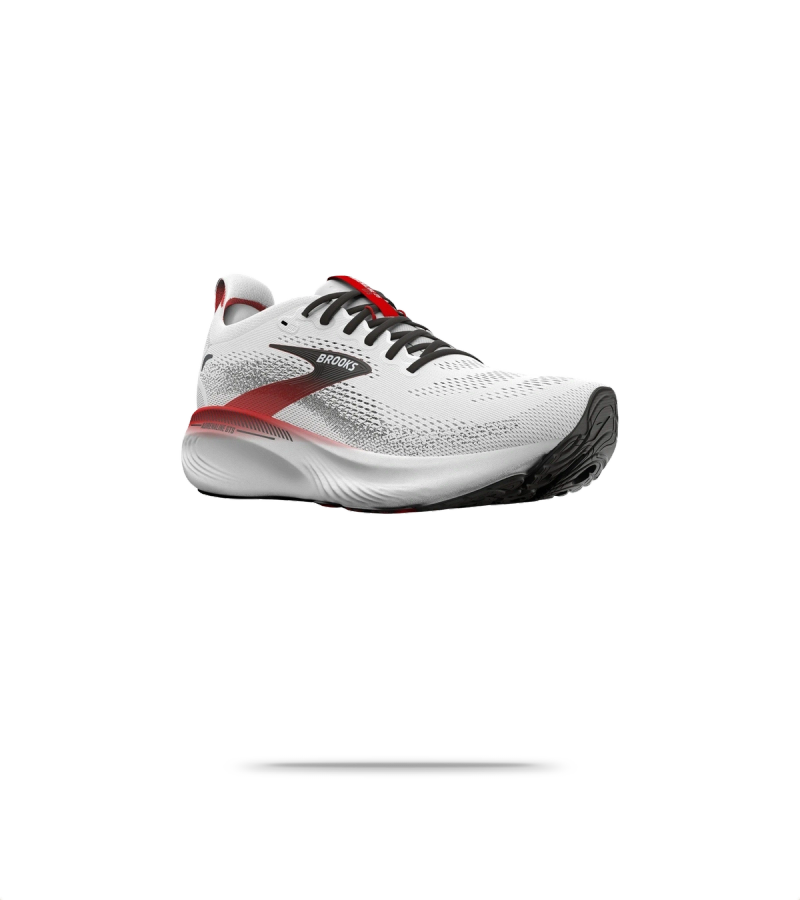
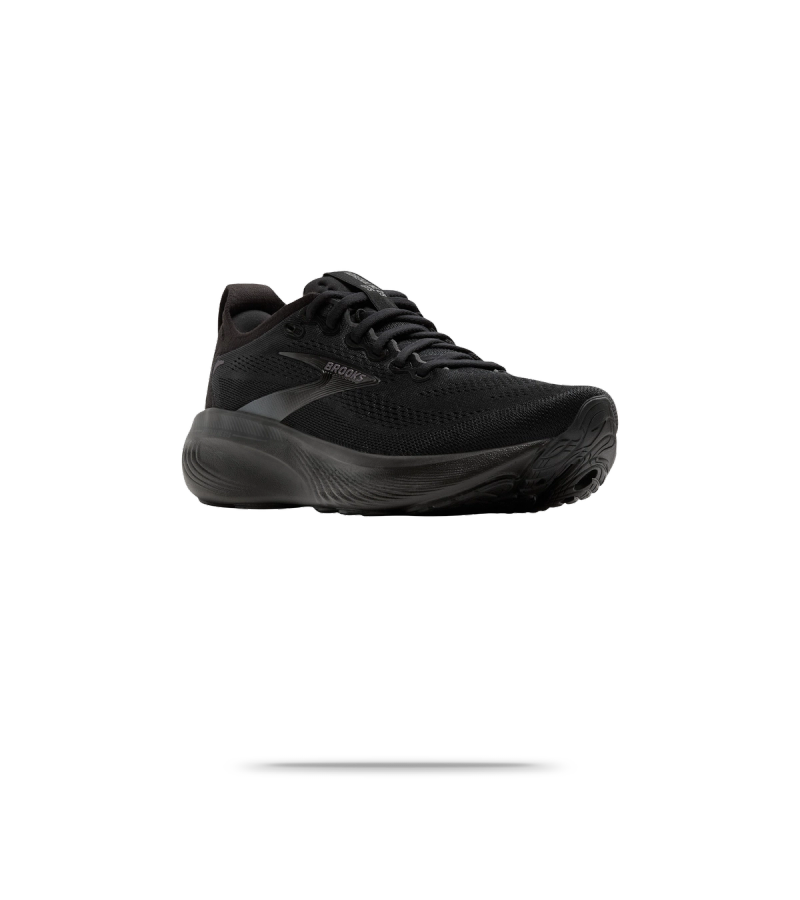
Sigma Sports’ pick for supportive running shoes: Brooks Adrenaline GTS 25
- Features Brooks' GuideRails™ stability system, GTS literally stands for "Go-To Support."

Brooks
Adrenaline GTS 25 Men's Road Running Shoes

Brooks
Women's Adrenaline GTS 25 Road Running Shoes
Grip for Trail Running Shoes
Standard gym/athleisure shoes are not designed for fast movement outdoors. On a technical running shoe you will find the outsole is made from an extra sticky rubber which a tread pattern designed to optimise grip and traction, reducing your risk of slipping. Be sure to look for grip and profiles that suit the running you are looking to do.
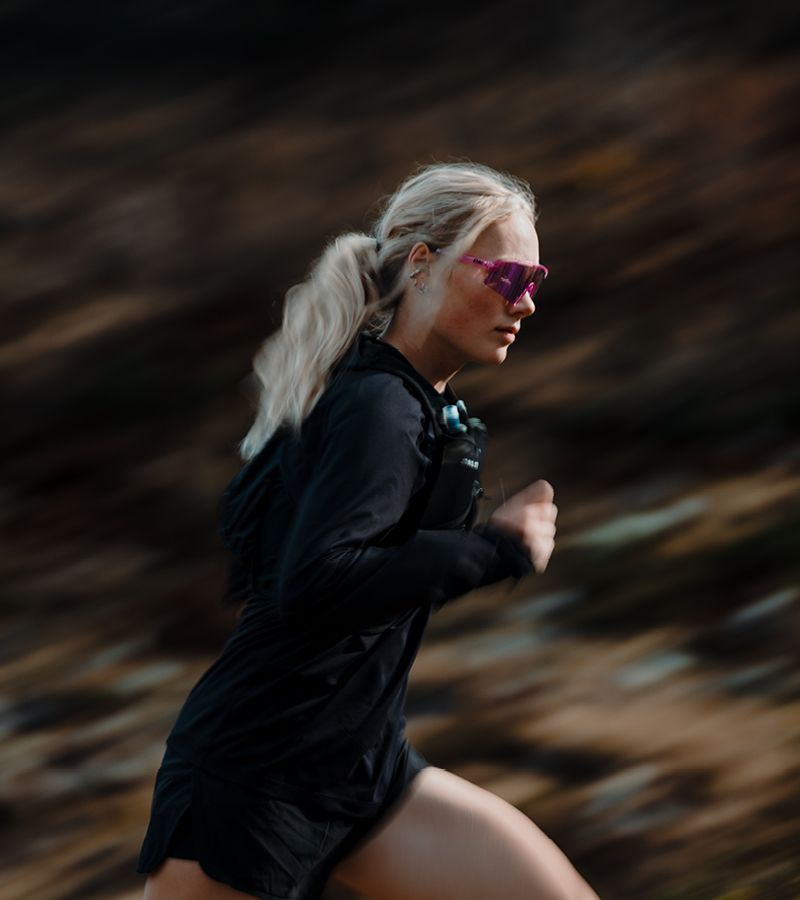
Looking to get into trail running? If so, look for trail running shoes with long lugs and jagged profiles, as trail shoes are built for off-road use on uneven terrain and uneven ground to provide reliable grip when you need it. If urban road running is more your style then look for road running shoes with a low-profile tread pattern, as they are designed for hard surfaces such as asphalt, pavement, and tarmac. Road to trail shoes can suit mixed routes, while breathable uppers are more common in road shoes than in more protective trail shoes.
Sigma Sports’ pick for best running shoes for grip
- Pairs an upgraded Missiongrip™ rubber outsole with refined lug geometry for "superior traction on wet, dry, rocky or muddy trails

On Running
Cloudsurfer Trail 2 Waterproof Running Shoes

On Running
Women's Cloudsurfer Trail 2 Waterproof Running Shoes

Weight and heel to toe drop
Running shoes range from lighter everyday options to race-focused designs, and some modern running shoes use plates to improve efficiency rather than simply cutting weight. Often a athleisure shoe will be focused on appearance and additional weight will not be considered.
Carbon plates in shoes enhance propulsion during runs, so carbon plated shoes and some nylon plate designs can feel more propulsive, but not all shoes are built for the same purpose and these are often more expensive running shoes. At first, the weight may not seem like a big difference, but the longer you run the more you notice the weight of the shoe.
Sigma Sports’ pick for lightweight running shoes
- Ultra-lightweight engineered mesh upper and lightweight midsole for everyday running

Adidas
Men's Adizero Boston 13 Running Shoes

Adidas
Women's Adizero Boston 13 Running Shoes
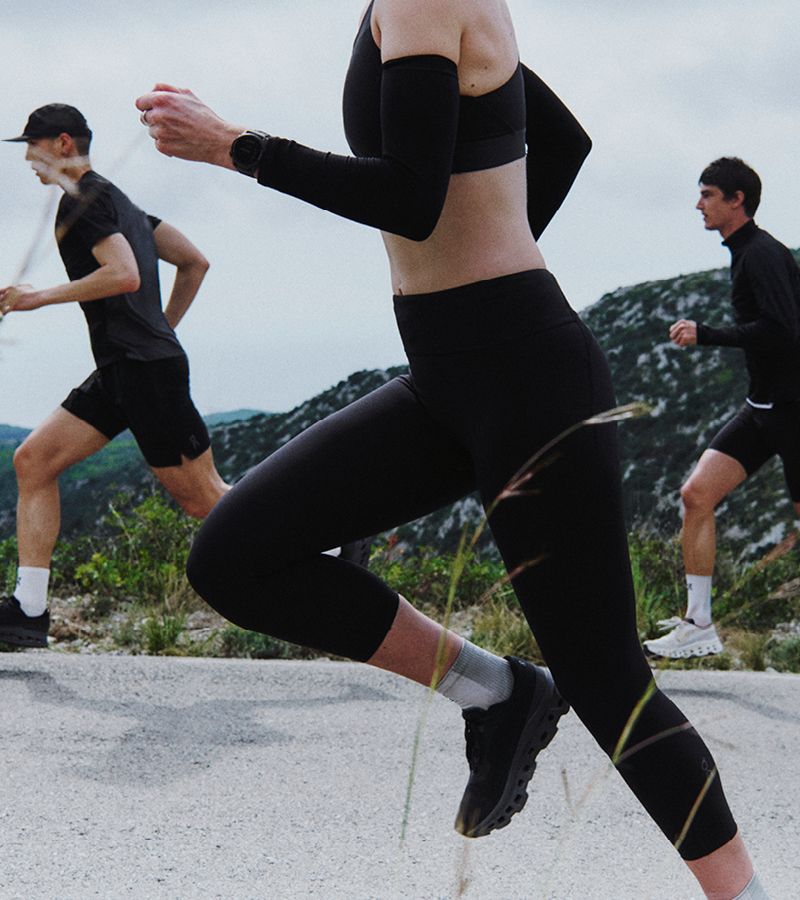
Getting the right fit
Typically you need to go a whole size up when buying running shoes. As you run your feet will heat up and swell so it's important to leave space for this. It's best to shop later in the day because your feet naturally swell. When checking the fit of the shoe you should be able to fit a thumbs width between your longest toe and the end of the shoe, and that extra space helps prevent toe bruising. You want your feet to feel secure but not cramped so be sure to consider the width when making your choice too. In fact, 68% of runners wear ill-fitting footwear, so many runners should inspect comfort carefully and try multiple pairs before buying.
A previous shoe can be a useful reference for fit, especially around the heel collar and the shape of the toe box. It also helps if you're deciding between two pairs, but most shoes need replacing after 300 to 500 miles or sooner if cushioning or support fades, or if the tread is worn and the upper shows visible creasing.

Top tips for getting started with running:
- Be patient. You're not going to become a sub 3 hour marathon runner overnight. Take it easy and consider using a couch to 5k plan to help keep you motivated. If you do too much too soon you're at risk of injury.
- Join a run club. This could be virtual or in-person but having that support network and community available to you can make the world of difference.
- Consider running with music or a podcast. Some people struggle to stay focused on running and that's okay. Listening to energising music or an entertaining podcast could help to keep you going.
- Don't forget to stretch at the end of your run. It's so easy to just flop on the couch and relax as soon as the hard work is done but taking those extra couple of minutes to stretch out will really make a difference and your body will thank you the day after.
- Don't fall into the trap of comparing yourself to others. Just be proud of yourself for getting out there and doing what you can, regardless of the distance or pace.
We hope this guide has given you the ins and outs to get your next pair of shoes and start running. Be sure to replace them when you notice less cushioning or support; occasional runners may do this about every six months, and proper maintenance can help extend shoe life.
Shop Now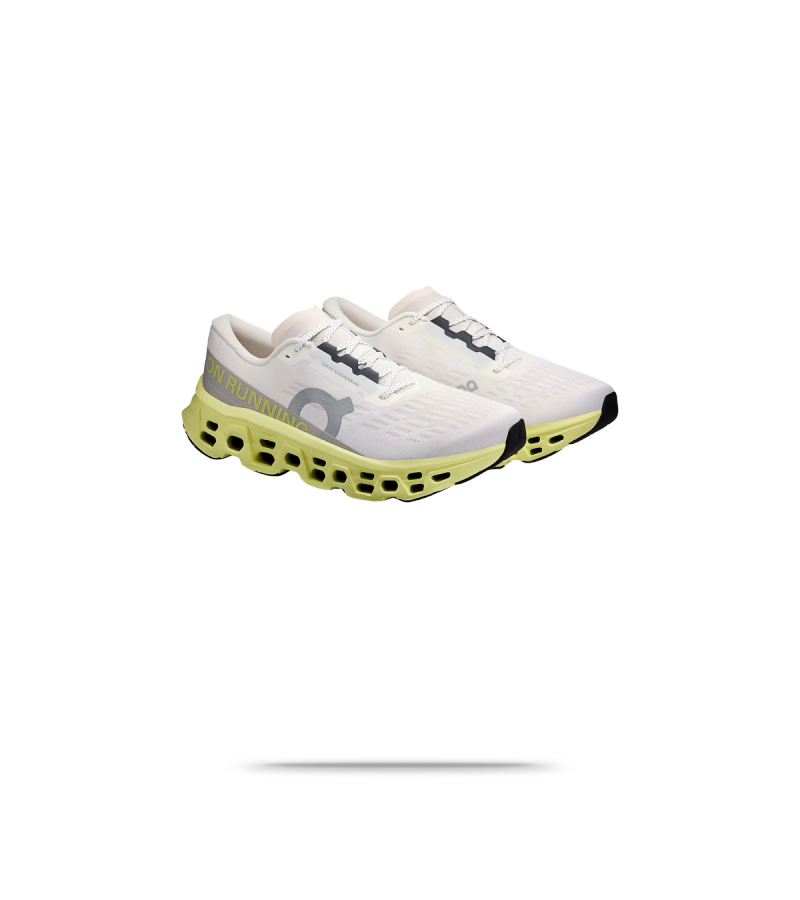


Related Articles

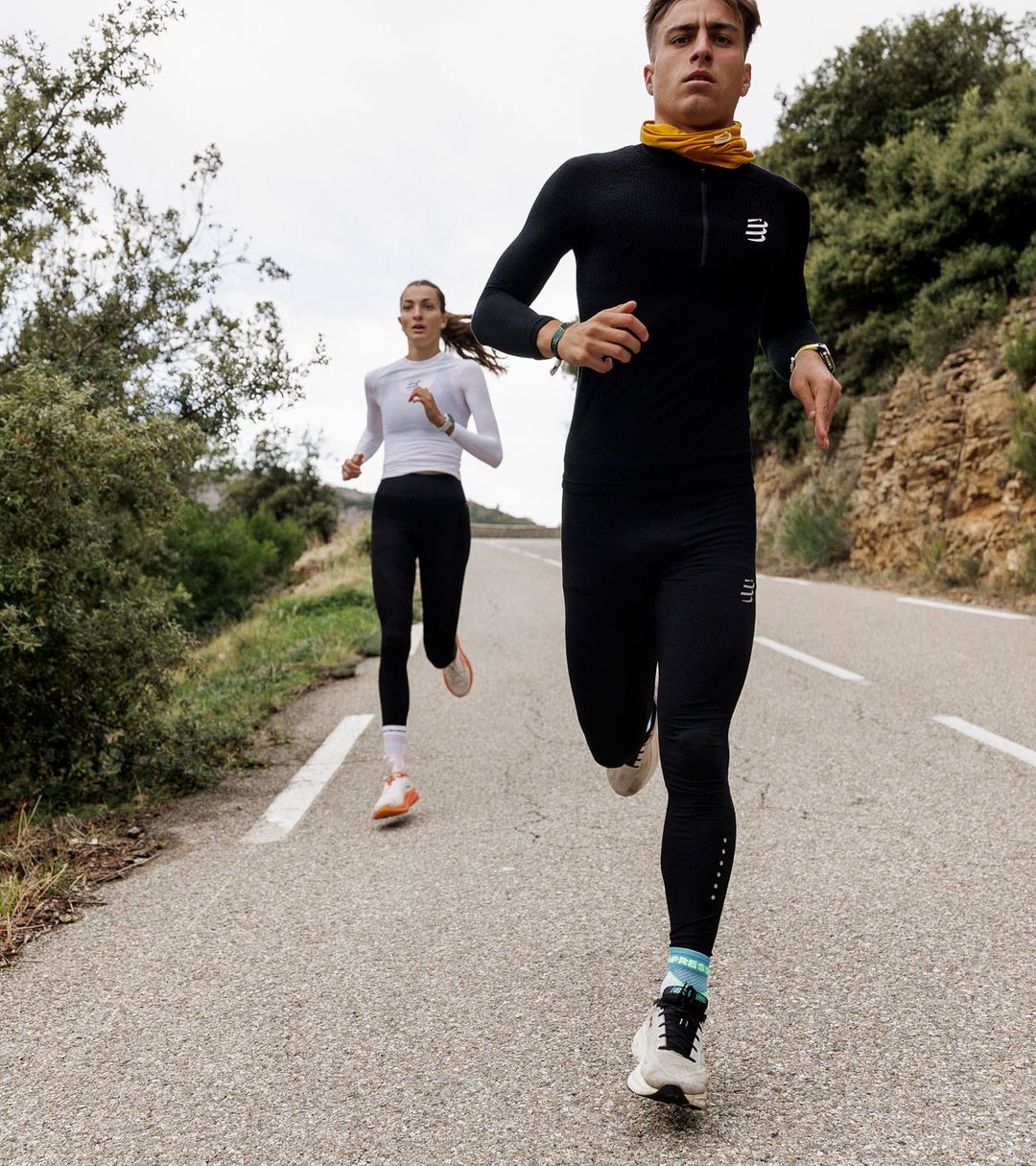
Former Commonwealth Games runner, Michelle Dillon, has provided us with her top winter running tips to help you stay on track all season long.
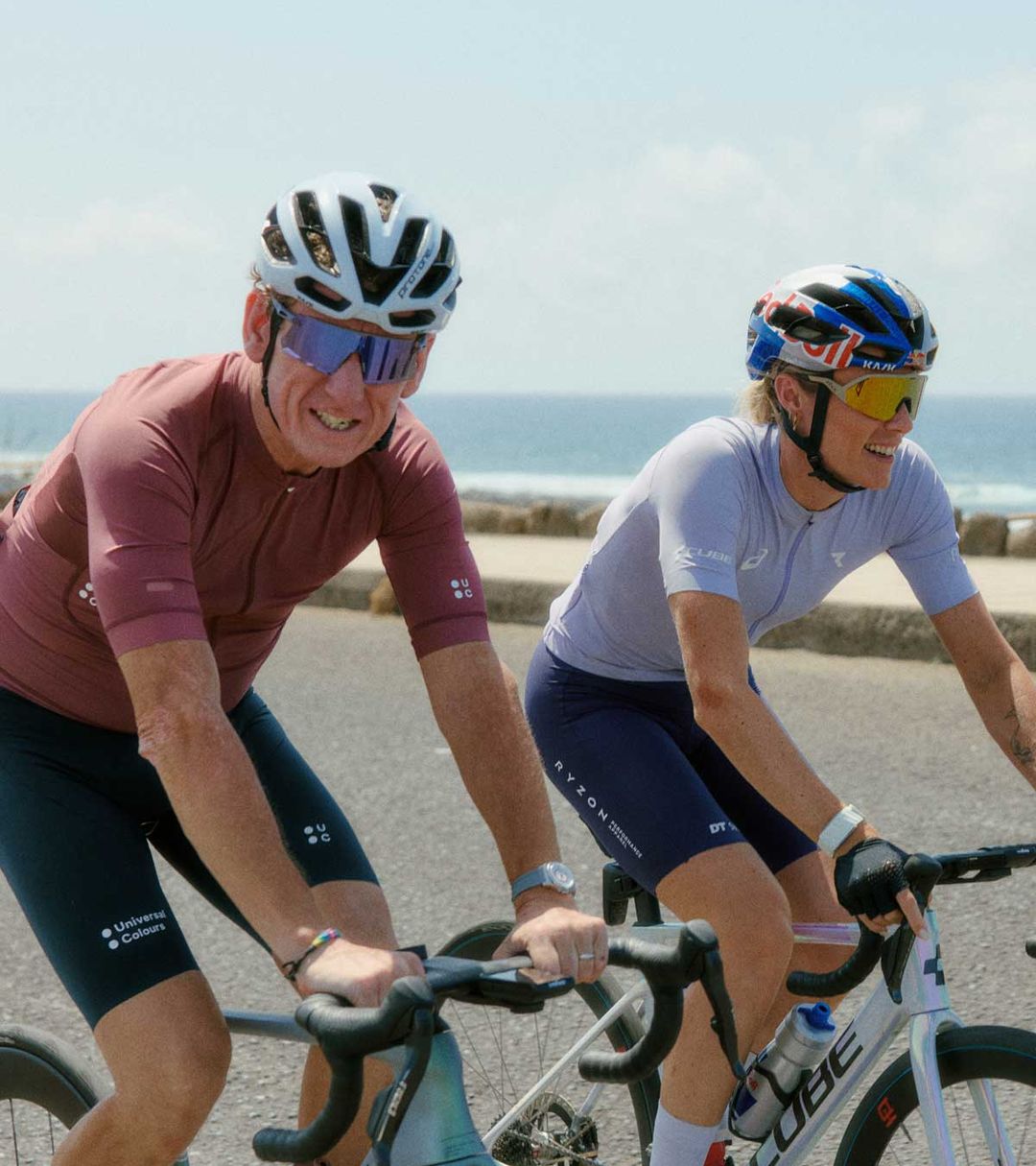
Matt joins Lucy Charles-Barclay at her Lanzarote training camp, getting an inside look at how one of triathlon’s most decorated athletes trains.