Dedicated winter cycling shoes are a game changer, transforming uncomfortable slogs into enjoyable training sessions. At Sigma Sports, our buying team seek out the best winter cycling kit to keep riders out and about throughout the year and they have flagged the key features to look out for and their picks for this winter.
Winter specific cycling shoes are designed for warmth, protection, and traction in harsh, cold, and wet conditions, offering advantages over regular cycling shoes with overshoes. Compared to other shoes, winter cycling shoes provide superior insulation and waterproofing, which are often lacking in traditional footwear. You'll need to consider factors like cleat compatibility, insulation and durability.
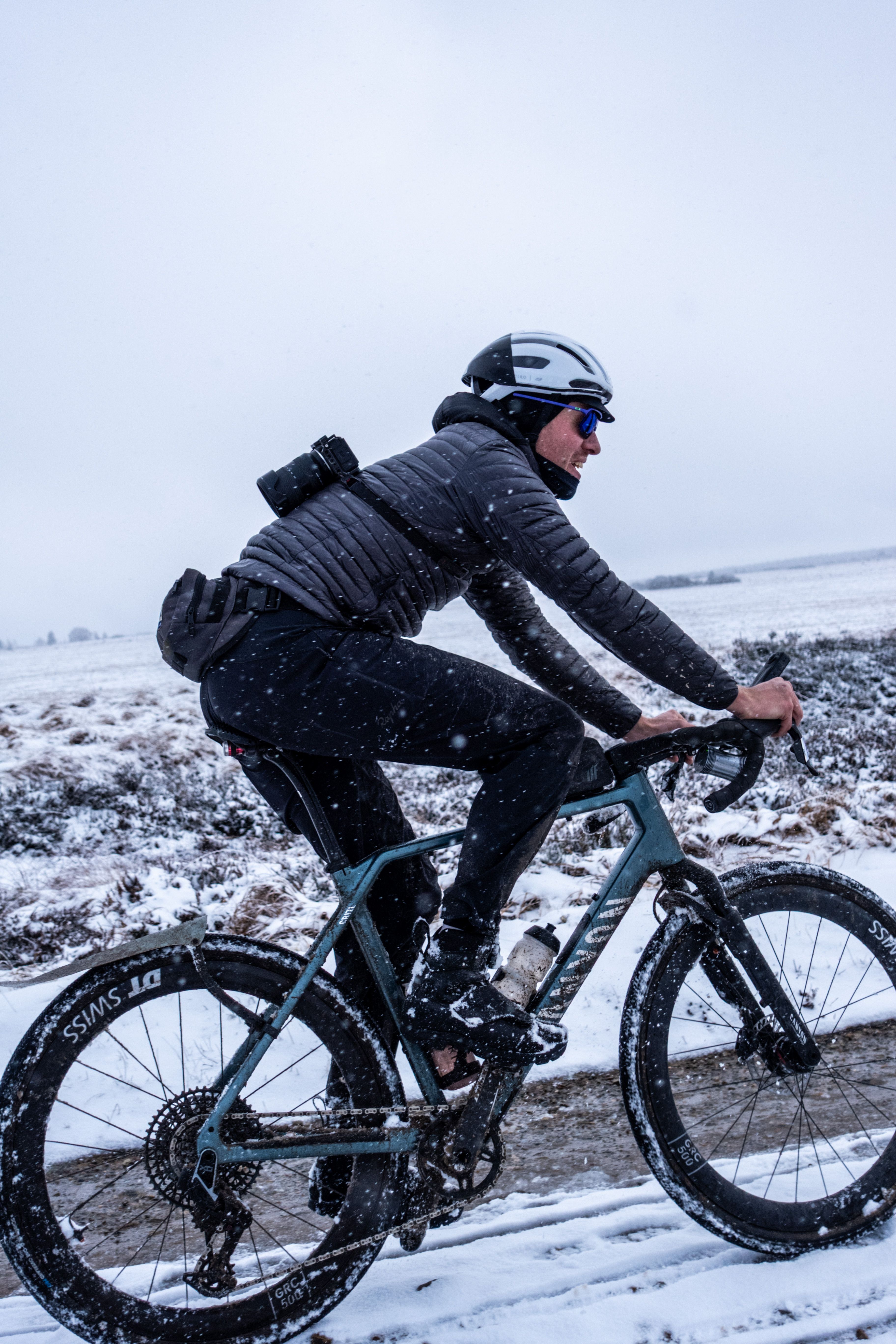
Road Specific Winter Cycling Shoes
Winter road bike bike shoes typically feature stiff carbon soles that deliver excellent energy transfer with every pedal stroke, making them ideal for long winter rides on smooth tarmac. The streamlined design reduces drag, while a secure fit ensures your feet stay warm and protected from cold air.
If you’re dedicated to road cycling, a winter road shoe like the Fizik Tempo Artica GTX is hard to beat. However, for 2026 our top road pick is from Lake.
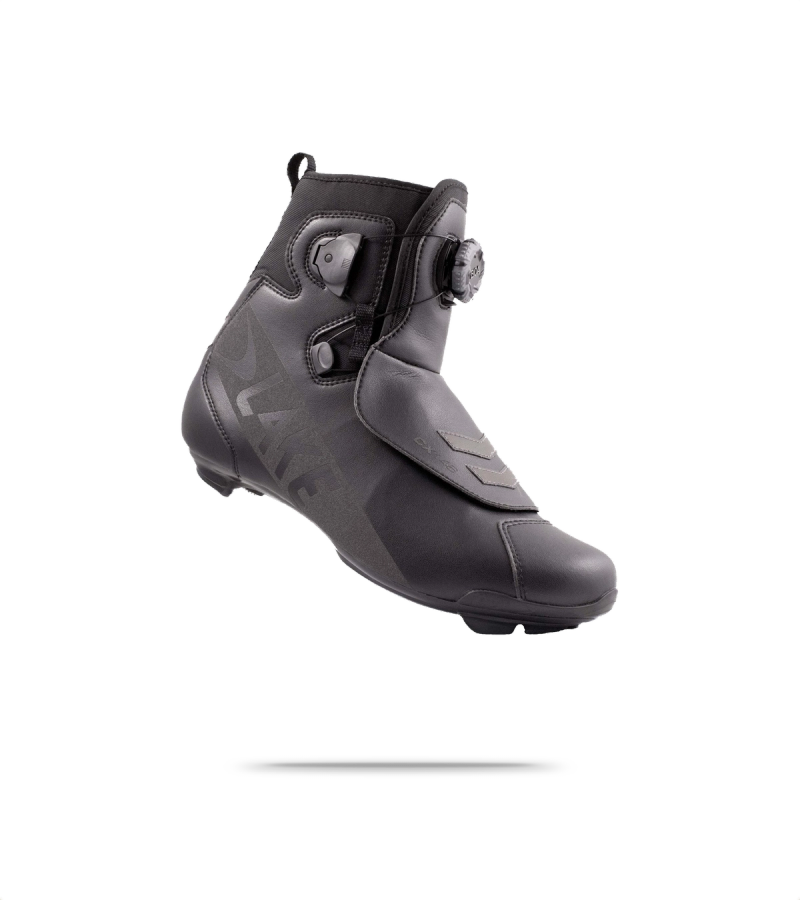
Best Winter Road Cycling Shoe - Lake CX146 Winter Road Shoes
Built for cold, wet winter miles, the Lake CX146-X combines a waterproof membrane, insulating softshell construction and extended ankle coverage to keep your feet warm, dry and comfortable when the weather turns. A stiff fibreglass-injected nylon sole delivers efficient power transfer, while the wide CX Sport last provides a secure, comfortable fit for broader feet.

Lake
CX146 Winter Road Shoes
Winter Cycling Shoes for MTB
For those who venture off road or ride gravel during the winter, MTB-style winter cycling shoes are a top choice for year-round cycling. These shoes are designed with a more flexible sole to provide better grip and comfort when walking on muddy or uneven terrain. The two-bolt cleat system is recessed into the sole, making it easier to walk without slipping and still allowing for power transfer. MTB winter cycling shoes often include extra protection around the toe box and heel, as well as rugged outsoles for added durability.
Winter Gravel Shoes
When choosing winter gravel cycling shoes, look for waterproofing, effective insulation and good ankle coverage to keep your feet warm and dry in cold, wet conditions. Also consider a secure yet comfortable fit, a grippy sole for walking on loose terrain, and closures that are easy to adjust while wearing winter gloves.
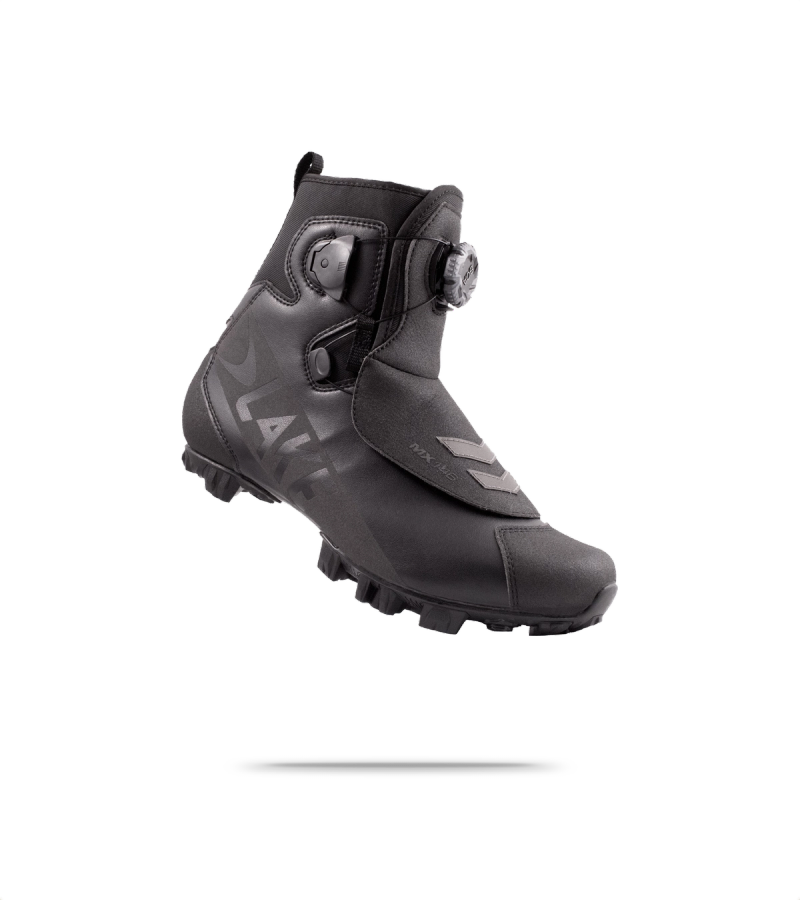
Best MTB Shoes for Winter - Lake MX146 Winter MTB Shoes
Built for cold, wet and rugged winter rides, the Lake MX146-X combines 200g 3M Thinsulate insulation, a waterproof membrane and water-resistant softshell fabrics to keep feet warm and protected from the elements. A high-grip sole provides confidence off the bike, while the glove-friendly BOA closure, abrasion-resistant protection and wide fit make it a versatile choice for winter MTB and gravel adventures.

Lake
MX146 Winter MTB Shoes
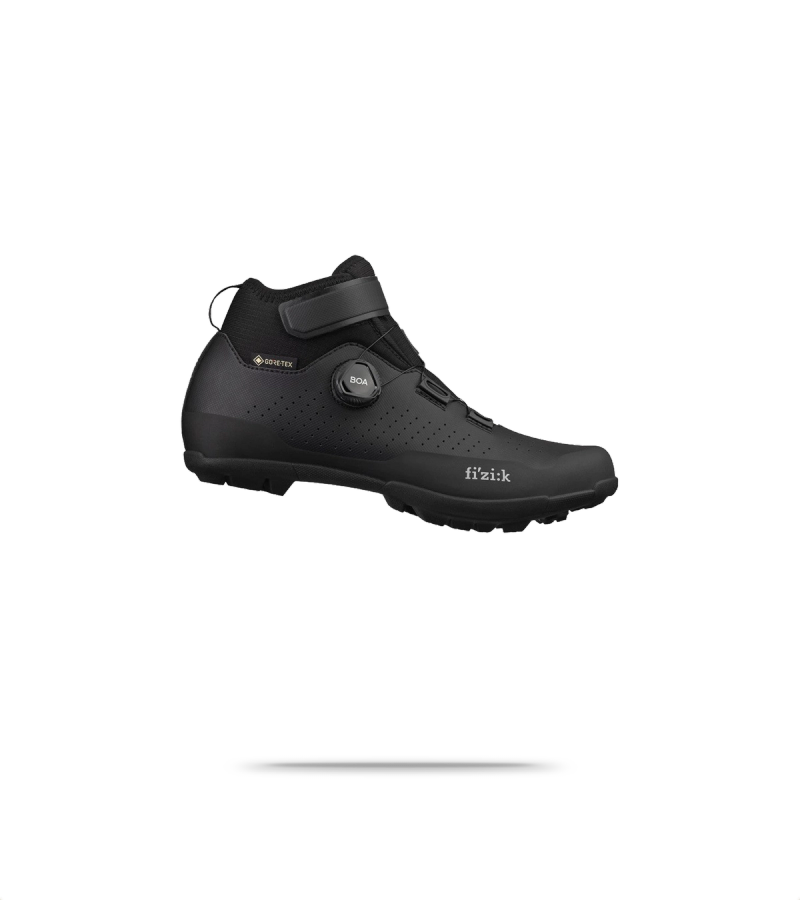
Best Waterproof Cycling Shoes - Fizik Terra Artica X5 GTX Waterproof Cycling Shoes
Built for demanding winter MTB and gravel rides, the Fizik Terra Artica X5 GTX combines a waterproof and breathable GORE-TEX membrane with a fleece lining and sealed ankle cuff to keep feet warm, dry and protected in harsh conditions. A grippy rubber-treaded outsole balances pedalling efficiency with off-bike traction, while the glove-friendly BOA fit system makes adjustment quick and precise on cold-weather adventures.

Fizik
Terra Artica X5 GTX Waterproof MTB / Off-Road Cycling Shoes
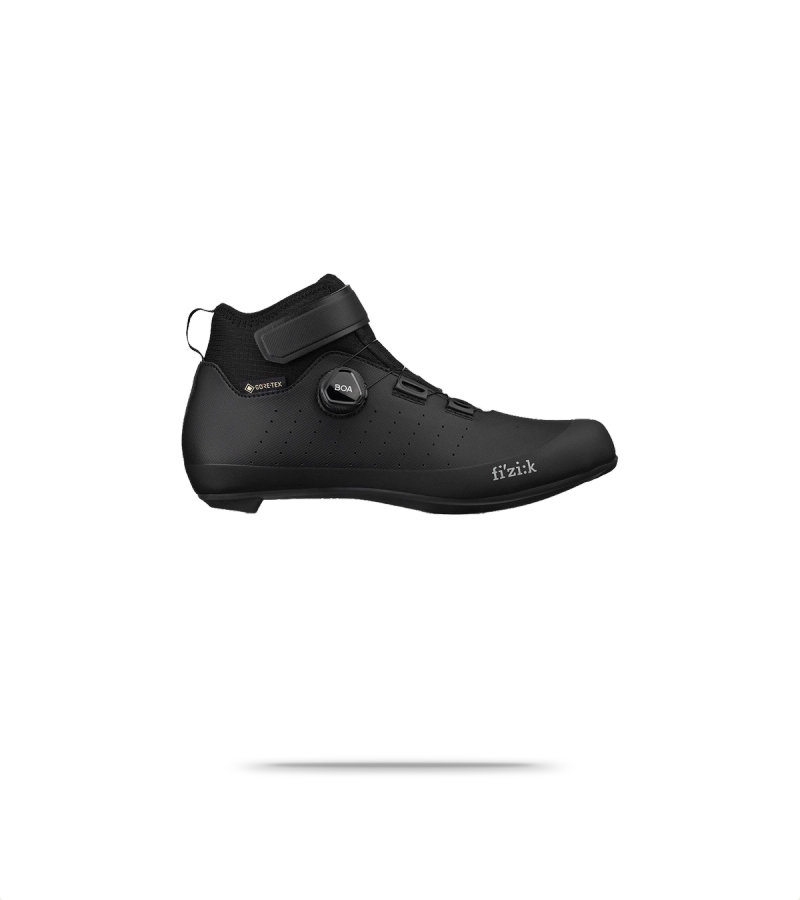
Best Winter Cycling Shoes - Fizik Tempo Artica R5 GTX Road Cycling Shoes
We mentioned them already in the road section, so instead we had to give the best overall winter cycling shoe to these Fizik shoes.
Built to keep road cyclists riding through harsh winter weather, the Fizik Tempo Artica R5 GTX combines a waterproof and breathable GORE-TEX membrane with fleece insulation and a sealed ankle cuff for warmth and protection from rain and road spray. The stiff R5 nylon outsole maintains efficient power transfer, while a glove-friendly BOA closure, winter-optimised fit and reflective details make it a practical choice for cold, dark training rides and commutes.

Fizik
Tempo Artica R5 GTX Road Cycling Shoes
Features of the Best Winter Cycling Shoes
When searching for the best winter cycling shoes to suit your needs, it's important to consider that these shoes are specifically designed for colder weather and offer insulation and waterproofing to keep your feet warm and dry when riding in challenging environments.
Focus on the following core features that directly combat cold and wet conditions, including added insulation for warmth in low temperatures:
1. Insulation and Lining Materials
Thermal insulation in winter cycling shoes is essential for retaining heat and keeping your feet comfortable during cold rides, and winter cycling shoes fit should usually be roomier than summer shoes.
- Fleece/Microfleece Linings: Offer immediate warmth and comfort, and help retain heat to keep your feet protected from the cold; the Shimano MW7 is one example with a fleece lining that helps reduce cold toes on long rides.
- Thinsulate or Primaloft: These materials provide excellent warmth-to-bulk ratio, delivering cosy insulation for comfort without making the shoe overly bulky.
- Temperature Rating: Some manufacturers provide a comfort temperature rating. Match this to the typical winter conditions in your riding area to help avoid cold feet in harsh conditions.
Remember to pair your insulated shoes with winter socks for extra thermal protection during winter rides; if you plan to wear thicker socks, sizing up can help preserve blood flow and leave enough room without creating pressure.
2. Absolute Weatherproofing: The Waterproof Membrane
Water is the enemy of warm feet. Once your feet get wet, they get cold rapidly, regardless of the insulation.
- Waterproof vs. Water-Resistant: You need waterproof. Look for shoes featuring breathable membranes like Gore-Tex (GTX) or advanced options such as the Gore-Tex Duratherm membrane,
- Sealed Seams: A truly waterproof shoe will have sealed seams to prevent water ingress, offering crucial protection during heavy rain and from road spray.
- Integrated Cuff/Ankle Gaiter: a neoprene cuffs design or a velcro cuff that seals tightly around your ankle is essential for preventing water from dripping in.
Good water resistance also helps prevent wet feet in prolonged rain, slush, or even snow.
4. The Closure System: Glove-Friendly Operation
Fumbling with laces or complex straps with numb fingers or heavy gloves is frustrating. That is why testing winter cycling shoes in real cold and wet conditions is the best way to judge whether closure systems still work easily with gloves on.
- Dial Systems (e.g., Boa): Offer quick, precise micro-adjustments and can be operated easily while riding or wearing thick gloves. They maintain tension reliably, even when wet.
- Large Velcro Straps: Reliable and simple, the Velcro strap provides additional fit security and ankle support, helping to seal out water and enhance heel stability.
5. Sole Performance: Road vs. Off-Road
Advances in cycling tech have significantly improved winter cycling shoes, offering better insulation, waterproofing, and performance compared to standard cycling shoes and their summer counterparts. While summer cycling shoes and summer shoes prioritise breathability and lightweight design for warm weather, winter models are roomier, more insulated, and tailored for cold, wet conditions. Some favour a stiff sole for pedalling efficiency, while others put more emphasis on walking comfort and all-round practicality.
| Feature | Road Cycling Shoes | MTB/Gravel Shoes |
|---|---|---|
| Stiffness | Very stiff carbon or composite for maximum power transfer; high-end models often feature a carbon sole for optimal energy transfer on a road bike. | Moderate stiffness; more flex is welcome for comfort when walking, but some models also offer a carbon sole for added performance. nylon soles are also common when brands want more flex, insulation, and walkability than a full carbon setup. |
| Tread | Minimal, small rubber bumpers for brief dismounts. | Aggressive, deep tread (often with toe spike compatibility) for grip in mud, snow, and rough terrain. |
| Cleat | 3-bolt road cleats (Look, SPD-SL) compatible with road pedals, designed for efficient power transfer on a road bike. | 2-bolt mtb cleats (SPD), also known as mtb style cleats, feature a recessed design for easier walking and are ideal for off-road and muddy conditions. |
Cleat Compatibility Comparison:
Road cleats: 3-bolt design, optimised for road pedals and road cycling, offering maximum power transfer but less versatility for walking or off-road use.
MTB cleats: 2-bolt design, recessed for easier walking, compatible with mtb style cleats and pedals, ideal for MTB, gravel, and winter conditions where grip and versatility are essential.
The Cleat Hole Seal
Even the best winter cycling shoes have a vulnerability: the cleat mounting holes in the sole. While winter shoes typically have less ventilation, water can still migrate through the cleat hardware.
For extreme winter conditions, models like the Arctic GTX are highly recommended. These shoes feature advanced waterproofing with Gore-Tex membranes, insulation such as PrimaLoft, and design elements like dial closures, Velcro straps, and high ankle cuffs to keep your feet warm and dry in wet and cold weather.
Why Ditch the Overshoes?
While shoe covers (overshoes) are a good stopgap and great for those transisitional weather days, dedicated winter cycling boots are built from the ground up as a dedicated pair for the winter months to tackle the elements. A winter boot is a fully enclosed, insulated option making it ideal for cold and wet winter rides. They offer:
- Integrated Protection: A seamless waterproof barrier, unlike covers which have gaps around the sole and cleat area, providing great protection from wind and rain.
- Superior Insulation: Built-in linings that are warmer than a thin neoprene overshoe. Winter boots provide insulation specifically for harsh winter conditions.
- Better Fit and Durability: Designed to last multiple seasons and often feature more robust, glove-friendly closure systems; fit should still leave enough room for thicker socks without compressing the foot.
While winter boots may have some negative impact, such as added bulk or weight, these factors do not detract from their effectiveness in keeping your feet warm and dry during challenging winter rides.
Shop Winter Cycling ShoesFeatured Products