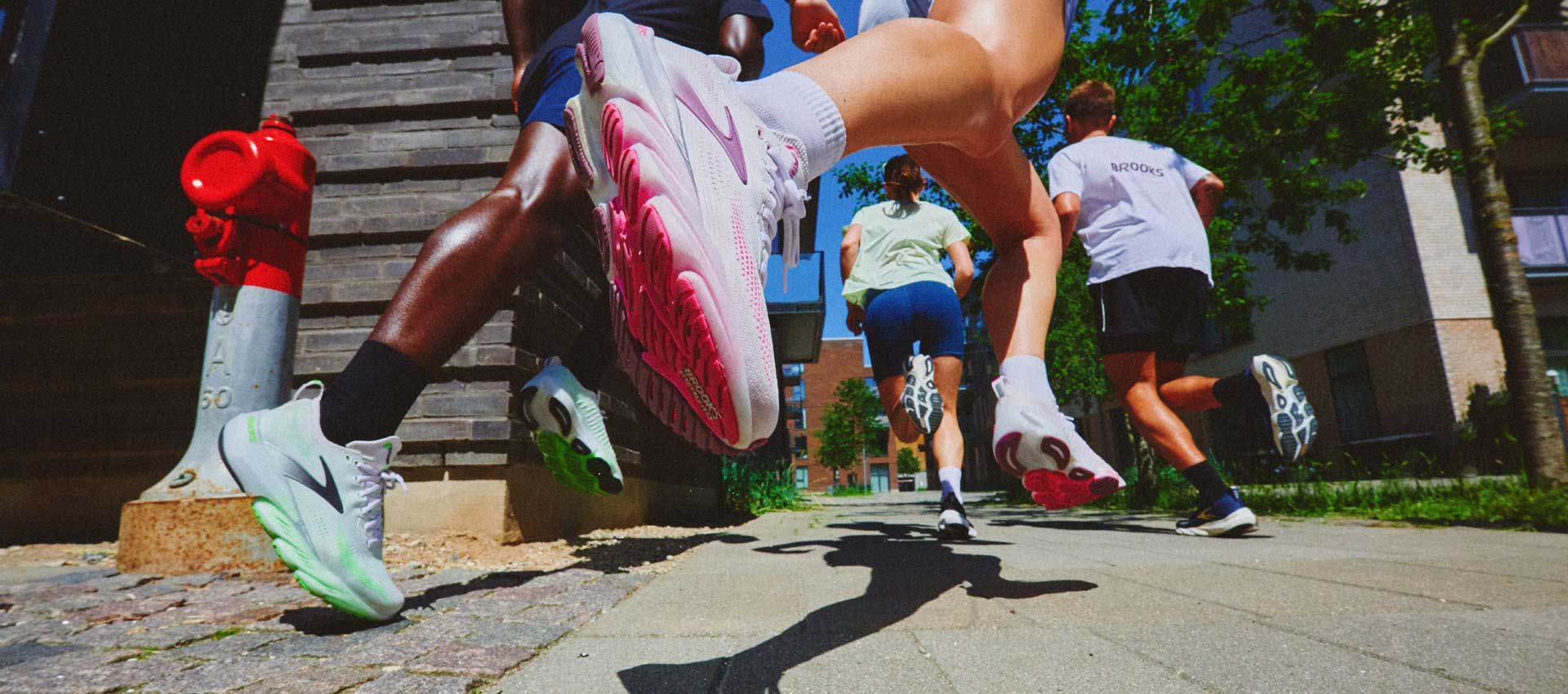
Starting running can feel simple enough: lace up your shoes and head out the door. But those first few runs often bring plenty of questions. How fast should you go? Is it OK to walk? And what kit do you actually need?
From finding the right running shoes to pacing yourself and fuelling your runs, a little guidance can make getting started more enjoyable. These are the 10 things we wish we’d known as beginner runners. Practical running tips for beginners to help you build confidence, find a routine and look forward to your next run.
Shop running essentials1. Warm up and cool down correctly
Warming up and cooling down correctly is imperative for those looking to get the most out of their runs and is one of the key running tips. Before your run, walk for five minutes, starting gently and gradually building to a brisk pace. If you feel stiff, add some gentle marching, ankle circles or controlled leg swings, then begin running slowly and settle into an easy pace.
Afterwards, walk for another five minutes, gradually slowing down as your breathing settles. You can finish with gentle calf, thigh and glute stretches, holding each for 15–30 seconds without bouncing or forcing the movement.
Recovery products can be useful additions to your post-run routine. A foam roller or massage ball can help ease the feeling of tight muscles, while a recovery drink offers a convenient source of carbohydrates and protein if a meal isn’t available. For beginner runners, these are optional extras. Sleep, balanced meals, hydration and rest remain the foundations of recovery.
Shop protein and recovery drinks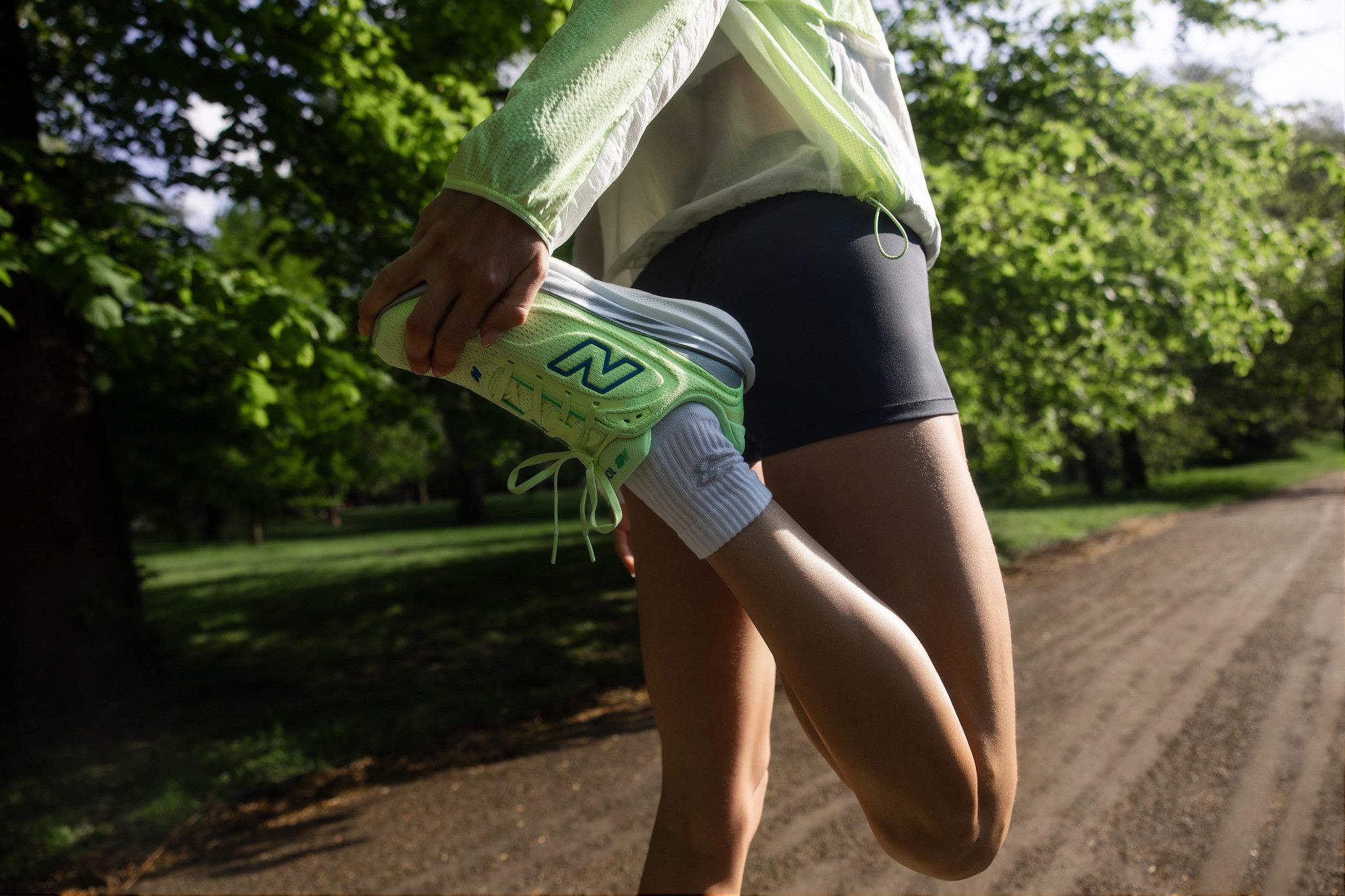
2. Keep your pace easy
When you start out running, keeping your pace easy helps make those first runs more manageable and enjoyable. Aim to run at a speed where you can speak in full sentences without gasping for breath, even if that feels slower than expected. If you’re struggling to talk, ease off or take a walking break until your breathing settles.
Focus on finding a steady effort you can sustain rather than chasing a pace on your watch or keeping up with other runners. You don’t need to finish every run exhausted to make progress.

3. Take rest days
Rest days give your body time to recover and adapt as you get used to running. Start with two or three runs a week, leaving a day between sessions rather than heading out every day.
Gentle walking or easy mobility exercises can keep you moving between runs, but take extra rest if you feel unusually tired or sore. Avoid trying to make up missed sessions by squeezing runs together, and remember that recovery includes getting enough sleep and eating well. Rest is part of building a consistent running routine.
4. Focus on time before distance
Focusing on time before distance helps beginner runners build a manageable routine without feeling pressured to cover a set number of kilometres. Start with a session length that suits your fitness, including walking breaks, and keep the running sections at an easy, conversational pace.
As you become more comfortable, gradually spend more of that time running before extending the session. This keeps the focus on building stamina and confidence, rather than speeding up just to reach a distance target. A consistent 20-minute outing is a useful achievement, whatever distance you cover.

5. Fuel your runs and stay hydrated
Fuelling your runs starts with eating regular, balanced meals and drinking water throughout the day. If you’re hungry before heading out, try a small carbohydrate-rich snack, such as a banana or toast, allowing time to digest it.
For short beginner runs, water is usually enough and you’re unlikely to need energy gels or sports drinks. As your runs get longer, energy gels and carbohydrate-based energy drinks can provide fuel, while sports drinks containing electrolytes can also help replace salts lost through sweat. These are different from high-caffeine energy drinks.
Practise using any fuelling products during training to find what agrees with your stomach. Afterwards, a meal or snack containing carbohydrates and protein can support recovery.
Shop nutrition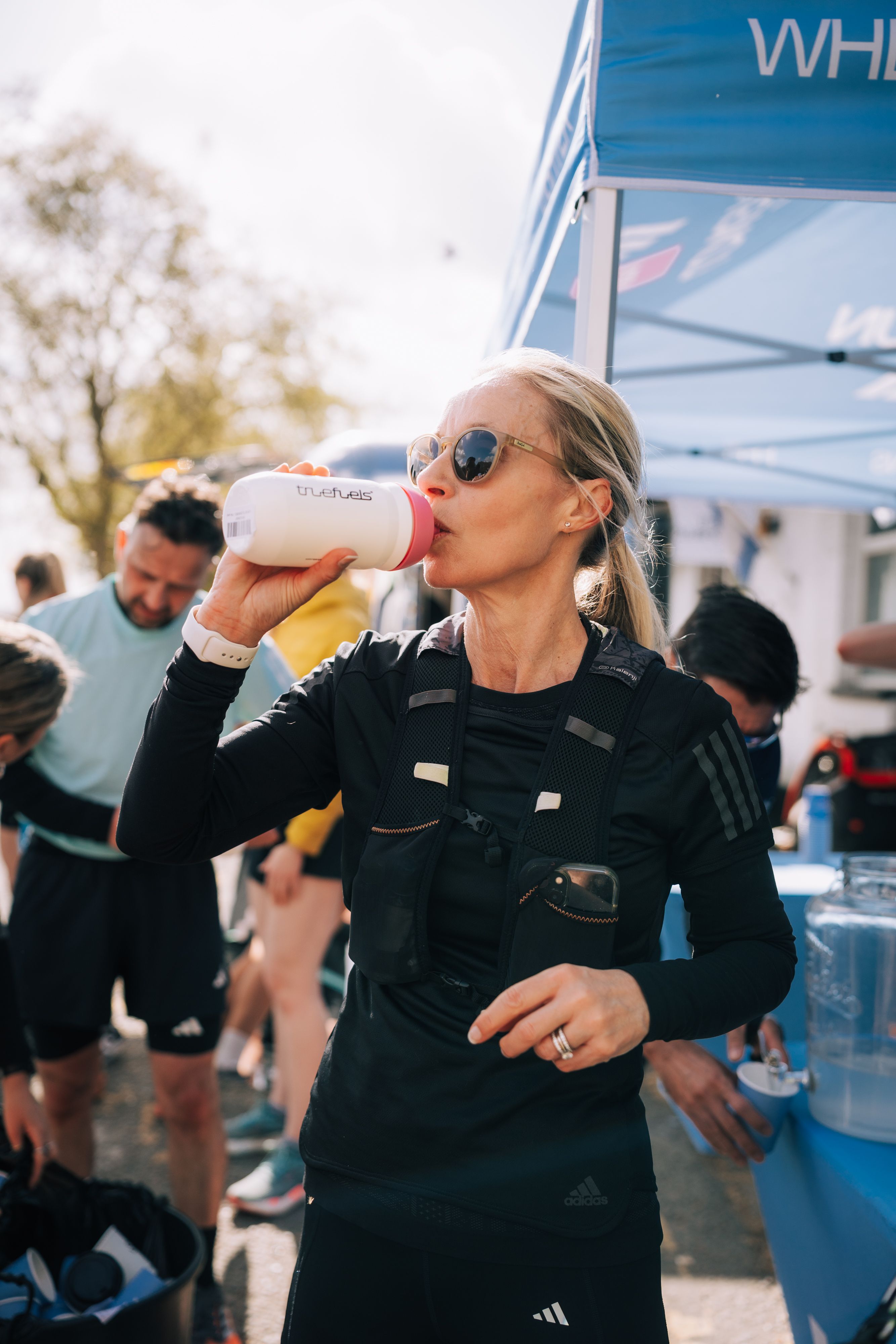
6. Dress for the conditions
Choosing the right running clothing can make your first outings more comfortable. Look for lightweight, breathable fabrics that wick sweat away from your skin, with a fit that lets you move freely without rubbing.
For running shorts, loose styles offer airflow, fitted half tights provide close coverage, and two-in-one shorts combine an outer layer with a fitted liner.
Choose a length and waistband that feel comfortable when you move. A technical running T-shirt is a versatile starting point, while a vest suits warmer days and a long-sleeved top works well in cooler conditions. Add running socks and a supportive sports bra if needed, plus light layers or a running jacket to suit the weather. For running in low light, include reflective details and a light to help you see and be seen.
Shop run clothing
7. Choose the right running shoes
Choosing your first running shoes starts with finding a comfortable fit. Visit a running shop to try several pairs and get advice based on your feet and the surfaces you’ll run on.
Road running shoes suit pavements and tarmac, while trail running shoes offer extra grip for muddy or uneven paths. Look for a secure heel, room for your toes and no pinching or rubbing, and try them with your running socks.
Take a short jog if possible to see how they feel in motion. A comfortable everyday training shoe is a sensible starting point—you don’t need a carbon-plated racing shoe to begin running.
Shop running shoes
8. Invest in a running watch to track your progress
A sports watch can help beginner runners track progress and bring structure to each session. Use it to time run–walk intervals and keep an eye on key stats such as total time, distance, average pace and how often you’re running each week.
Heart rate, if available, can offer another indication of effort, but pay attention to your breathing and how you feel rather than relying solely on the reading.
Reviewing your activity history can reveal progress, such as running for longer at a comfortable effort. Treat the numbers as a guide, rather than targets you need to beat every time.
Shop sports watches
9. Add strength training
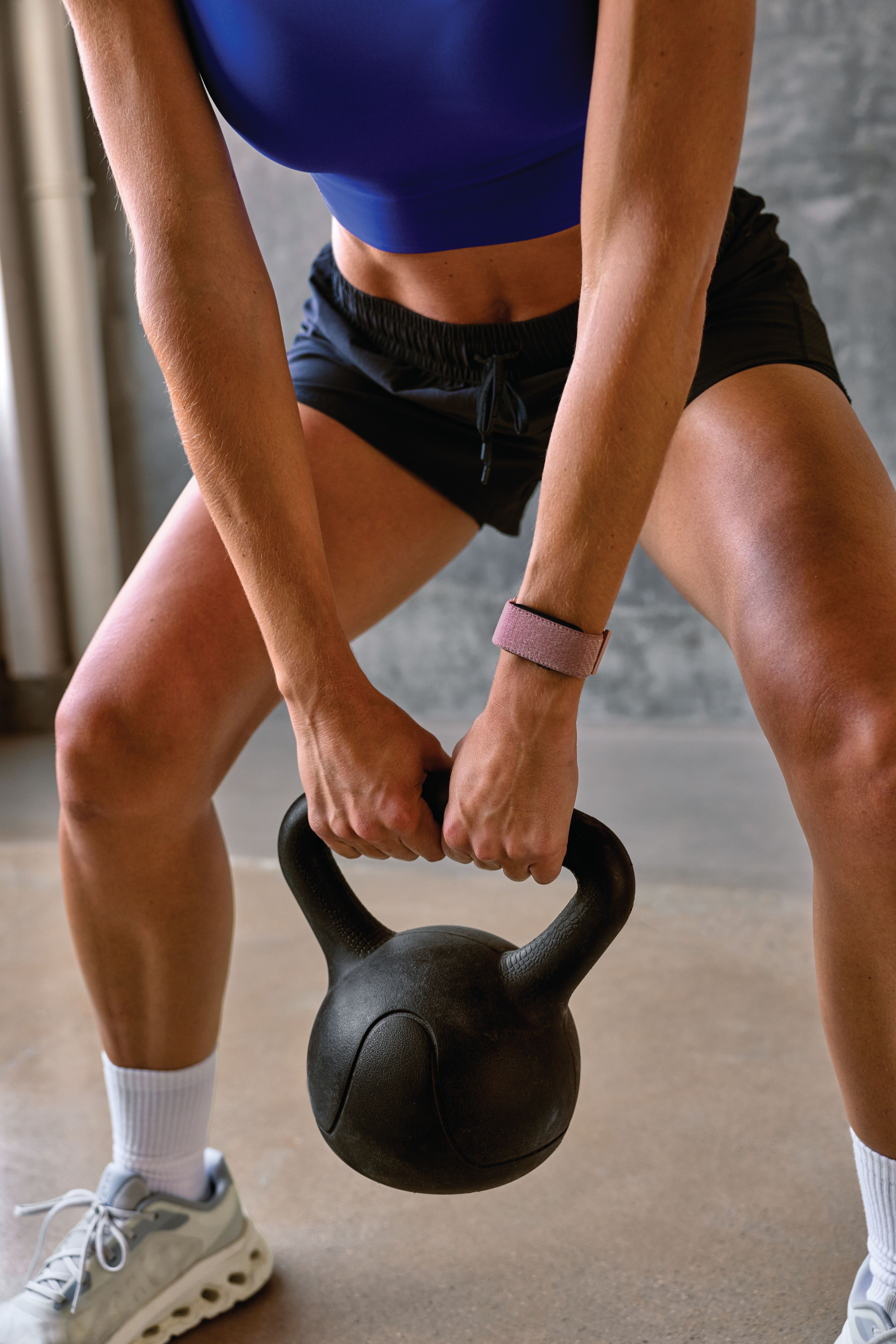
Strength training can help beginner runners build the strength to support their running as they progress. Start with one or two short sessions a week, using simple exercises such as squats, step-ups, glute bridges, calf raises and side planks to work your legs, hips and core.
Begin with bodyweight movements, focus on controlled technique and gradually add repetitions or resistance as they become easier. Keep the sessions manageable alongside your runs, allowing time to recover and avoiding a demanding leg workout just before running.
10. Make it social and fun
Making running social can give you something to look forward to and help you build a regular routine. Arrange an easy run with a friend, join a welcoming beginners’ group or try a local parkrun, where walking and running are both welcome.
Choose company who are happy to match your pace and take walking breaks when needed. Exploring new routes, chatting along the way or finishing with a coffee can make each outing more enjoyable, while sharing small milestones gives you a chance to celebrate your progress together.

Getting started with running is about finding a pace and routine that work for you. Build up gradually, give yourself time to recover and celebrate the small milestones along the way. With comfortable kit, sensible fuelling and a little company, those first outings can grow into a habit you enjoy. Lace up, take it one run at a time and remember that walking breaks count too.