Stay Warm and Dry on Every Ride
A good cycling jacket is crucial to comfort and performance on the bike. For most riders, that means it is key to find the best waterproof cycling jacket for them – one that offers superior rain protection through features like taped seams and waterproof zippers. You'll also need to consider waterproof fabrics, which are essential for keeping you dry while maintaining breathability and comfort. Getting wet is the fastest way to get cold, even in mild weather. If you are dedicated to training or rely on your bike for commuting all year round, a great cycling waterproof is an essential investment.
What should I look for when choosing a waterproof jacket?
The key challenge in creating the perfect waterproof is balancing two opposing forces: keeping rain out while letting sweat escape. Making something totally waterproof is easy; making it totally waterproof and breathable is much trickier. In terms of materials, jackets made with lightweight fabric help reduce bulk, making them ideal for cyclists who want minimal weight without sacrificing protection, while more breathable jackets are a great choice for riders who prioritise airflow.
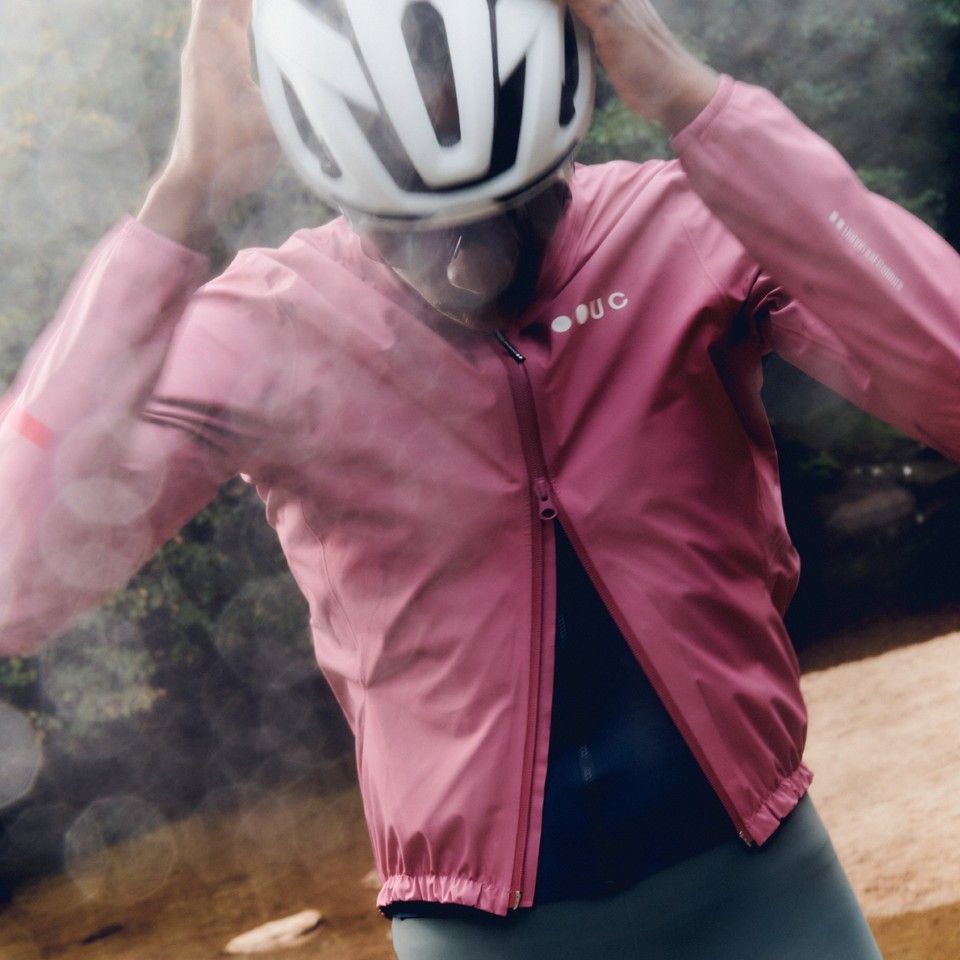
Waterproof jacket manufacturers use two key measurements to rate a fabric’s performance:
- Waterproof Rating (Hydrostatic Head): Measured in millimetres (mm), this indicates the height of a column of water a fabric can withstand before it leaks. For a cycling jacket that will see you through a downpour, look for a minimum of 10,000mm, though higher numbers (15,000mm to 20,000mm+) offer better protection in prolonged, heavy rain.
- Breathability Rating (Moisture Vapour Transmission - MVT): Shown as grams per square metre per 24 hours (g/m2/24hr), this measures how much water vapour (sweat) can pass through the fabric. For active cycling, a minimum of 10,000g/m²/24hr is a good starting point. Hard-working riders will benefit from ratings of 20,000g/m²/24hr or more to stay dry from the inside. Highly breathable jackets, often made with advanced fabrics, further improve comfort during intense rides by allowing greater airflow.
How is a Cycling Jacket Made Waterproof?
There are two main technologies used to create waterproof and breathable fabrics:
- PU Coated Fabrics: A polyurethane (PU) coating is applied to the fabric. This is a simple and cost-effective method, but these fabrics tend to be less breathable, making them more suitable for less strenuous activities.
- Waterproof Membranes: A micro-porous, breathable membrane like GORE-TEX is bonded between other layers of fabric. This membrane contains billions of microscopic pores that are too small for liquid water droplets to pass through, but large enough for water vapour (sweat) to escape. Many manufacturers now produce their own proprietary membranes using advanced waterproof material.
The seams of any fully waterproof jacket must be “taped” – sealed with a waterproof strip, known as taped seams, to prevent water from entering through the stitch holes.
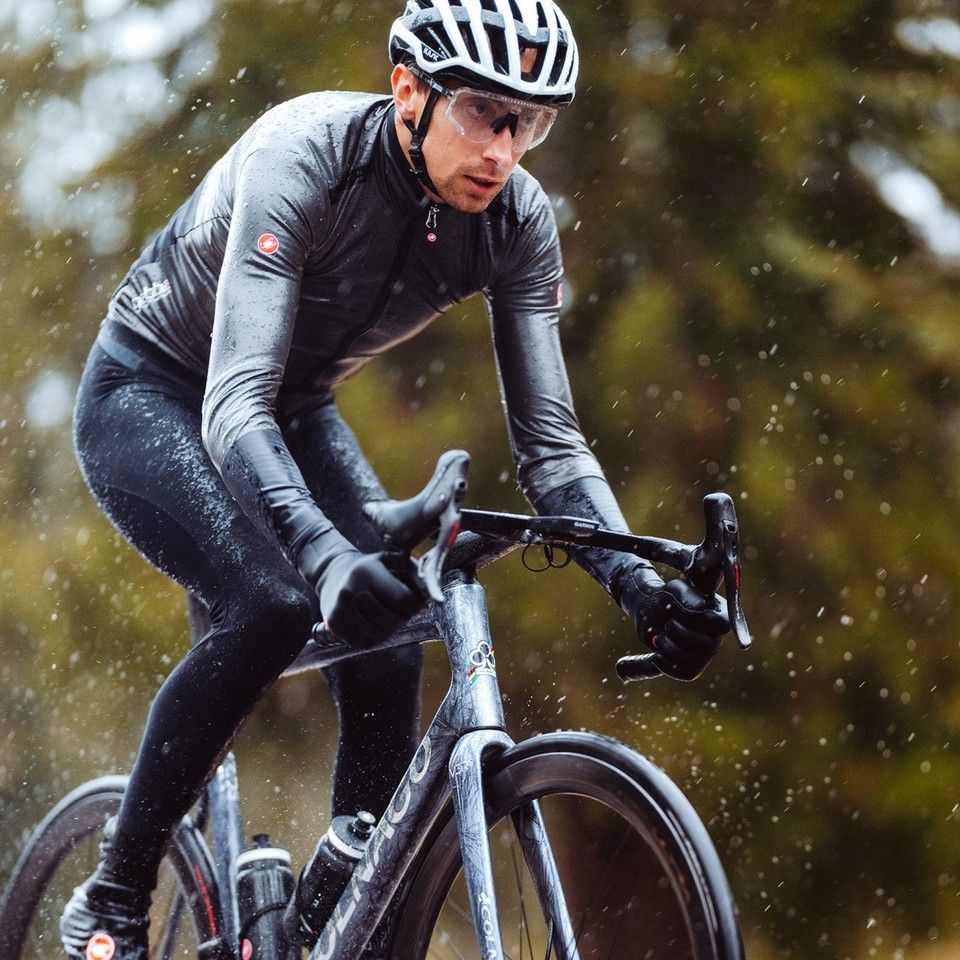
The membrane itself is delicate, so it’s protected by other materials. This leads to different fabric constructions:
- 3-Layer Fabric: The outer fabric, waterproof membrane, and inner lining are all bonded together into a single, lightweight, and high-performing textile. The inner lining often features soft fabric to enhance comfort during long rides.
- 2-Layer Fabric: The membrane is bonded only to the outer fabric, with a separate, loose mesh or fabric liner on the inside. These jackets are often bulkier and slightly less breathable than their 3-layer counterparts but are typically more affordable.
A cycling jacket should use waterproof material, include taped seams, feature a breathable membrane, and incorporate soft fabric for comfort. It must be properly waterproof to withstand challenging and wet conditions.

The Importance of DWR and Proper Care
The outer “face” fabric of a waterproof jacket is treated with a Durable Water Repellent (DWR) coating. This chemical treatment causes water to bead up and roll off the surface instead of soaking in. This is critical because if the outer fabric becomes saturated (a process called “wetting out”), it clogs the pores of the membrane underneath, severely reducing its ability to breathe.
If you feel a bit damp inside your jacket, it doesn’t always mean it’s leaking. During hard rides in heavy rain, some moisture build-up is common, and getting a bit damp is often just a result of sweat and reduced breathability when the DWR has worn off. This is why it’s vital to regularly clean and reproof your jacket according to the manufacturer’s instructions to maintain peak performance.
Cycling Jacket Key Features
- Fit and Cut: A good cycling jacket should have a dropped tail to protect your rear from road spray, long sleeves that cover your wrists when stretched out on the handlebars, and a close, athletic fit to prevent the fabric from flapping in the wind and increasing drag.
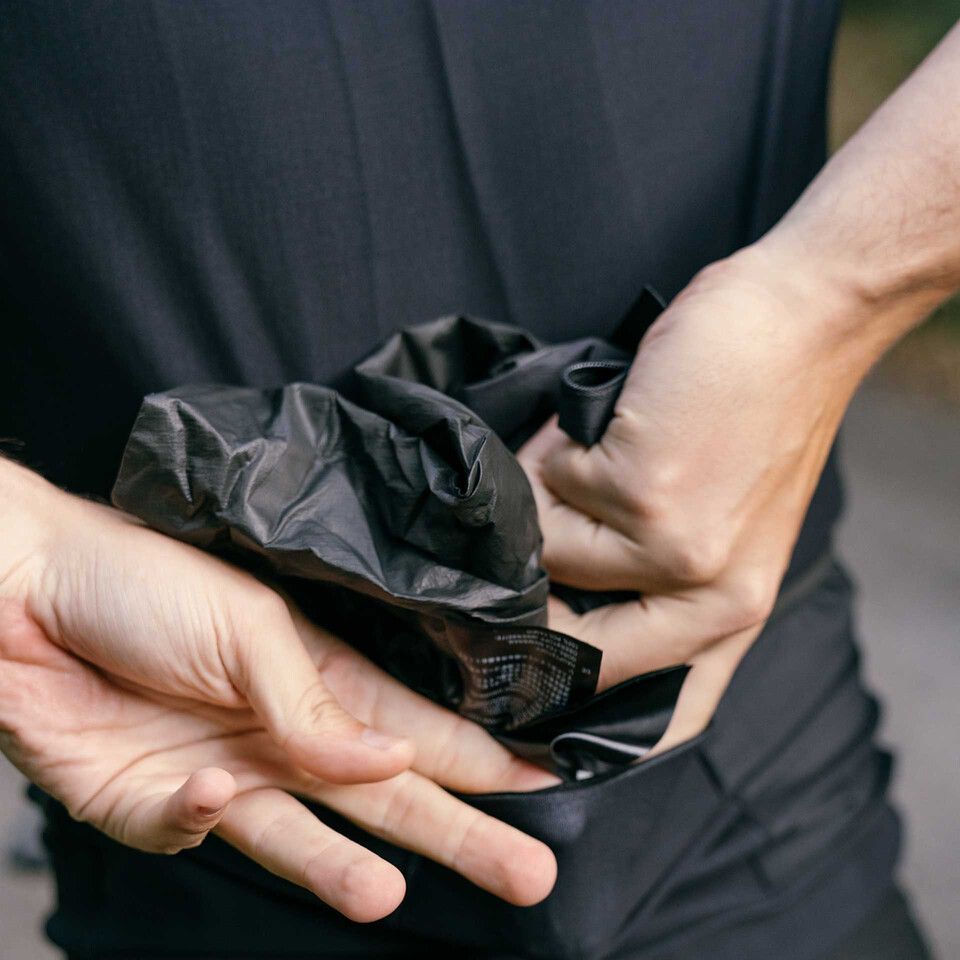
- Packability: Lighter, thinner jackets can be packed down small enough to fit in a jersey pocket. If you’re looking for the lightest jacket or the most packable jacket, consider a packable jacket that folds down.
- Storage Features: Many cycling jackets offer practical storage options such as a rear pocket, three rear pockets, or easy access to jersey pockets, allowing you to carry ride essentials securely and conveniently.
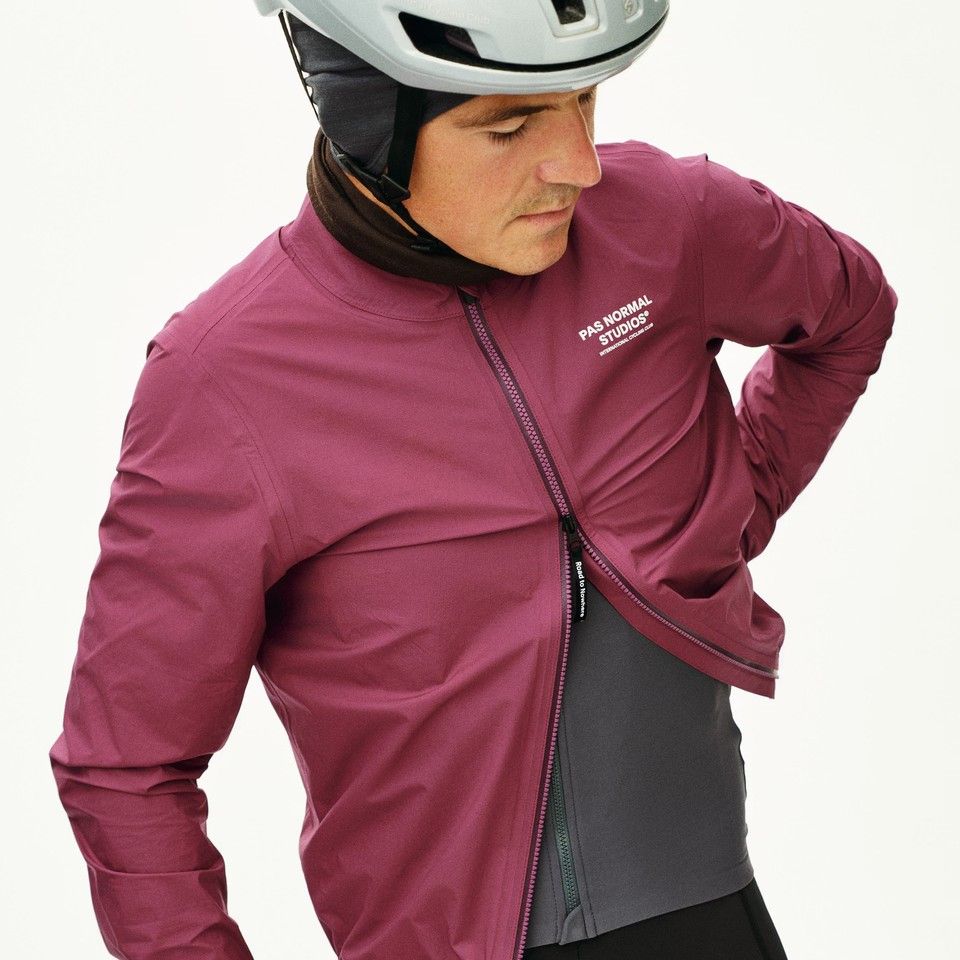
- Zippers and Cuffs: Look for a waterproof zip (or zips covered by a storm flap) to prevent water ingress, and consider jackets with a two way zip or double zip for easier access to jersey pockets and improved ventilation. Elasticated cuffs are also important, as they create a good seal to keep rain and cold out.
- Reflective Details: Reflective detailing, and reflective material are essential for safety, especially when cycling in low light.
- Vents: Zipped vents help regulate body temperature during hard efforts. These vents are crucial for releasing excess heat.
Finding the Right Fit Size Cycling Jacket
When searching for the best waterproof cycling jacket, getting the right fit essential. A well fitted waterproof cycling jacket will keep you protected, but if your jacket is too loose, it can flap in the wind, while a jacket that’s too tight can make it difficult to add layers underneath.
For roadies, a slim, close-fitting cut is ideal for reducing wind resistance. If you’re into gravel riding, you might prefer a slightly looser fit that allows for a more upright riding position. Look for features like adjustable cuffs and hems, while a dropped tail is another must-have, offering extra coverage from wheel spray during wet weather.
Ultimately, the best waterproof cycling jacket is one that allows for layering underneath, and moves with you on the bike. Try on different jackets, check the fit in your riding position, and make sure you can easily reach your handlebars and pockets.
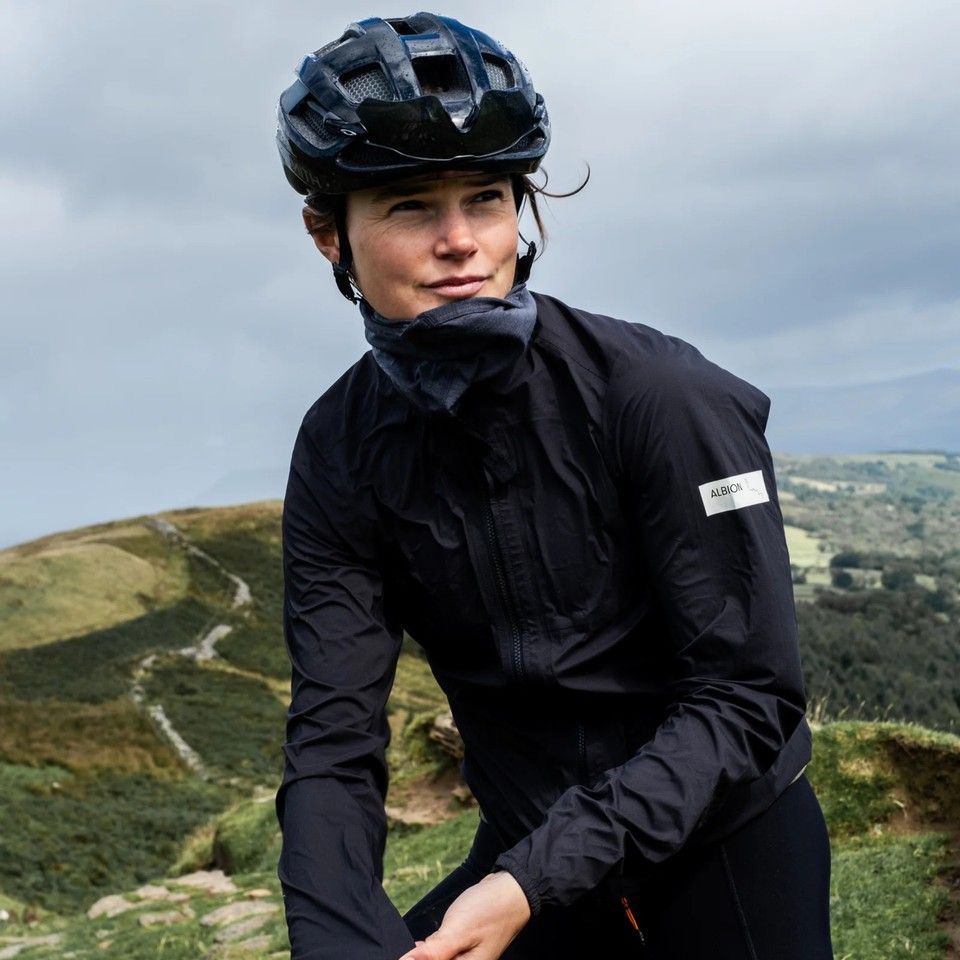
Other Types of Cycling Jackets
While a fully waterproof jacket is essential for rain, it isn’t always the right tool for the job. On dry, cold, or windy days, other options like commuter jackets may provide better features.
Windproof and water-resistant jackets, often referred to as a rain jacket, are ideal for repelling road spray and light to moderate rain. These cycling rain jackets are designed to offer breathability and packability, however, they may not provide adequate protection in heavier rain, so it's important to consider the level of rainfall you expect.
For colder rides, an insulated or softshell jacket can be a key part of your winter kit. Layering a long sleeve jersey underneath a softshell jacket helps trap warmth and improves comfort, especially in damp or chilly weather.
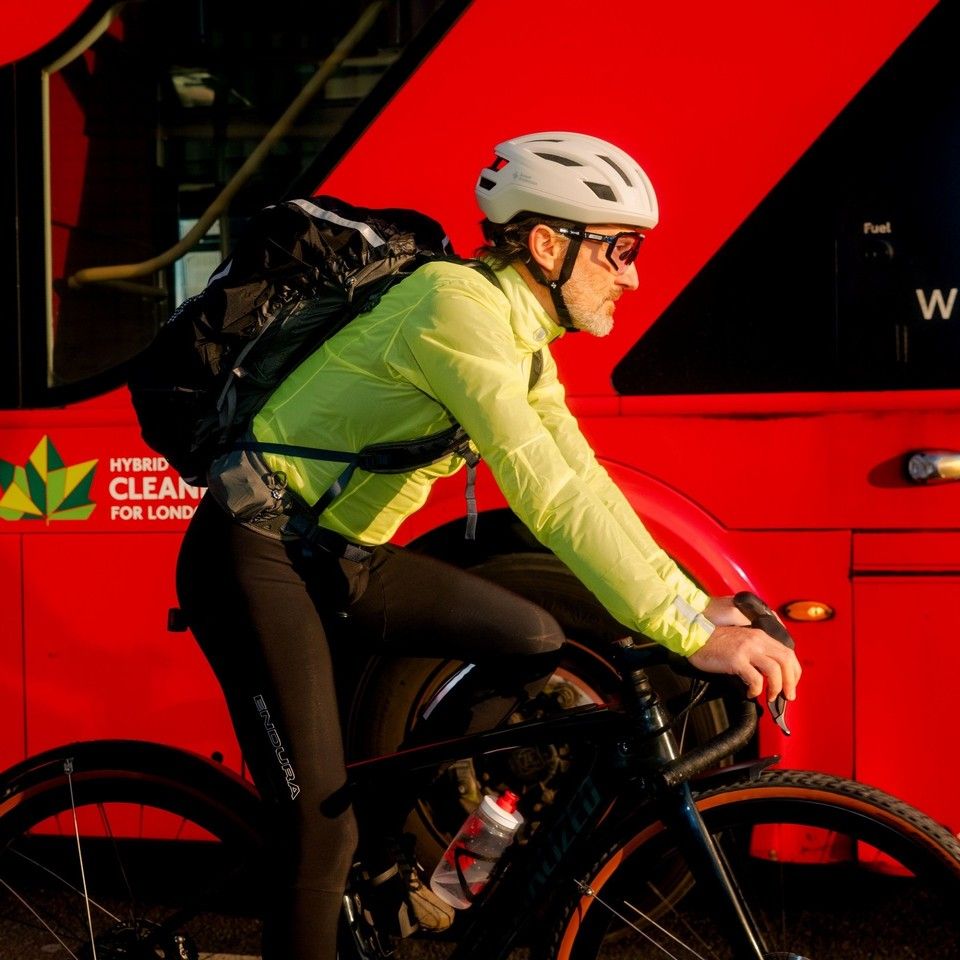
Windproof Jackets & Gilets
A staple of any cyclist’s wardrobe, a windproof jacket or gilet provides incredible warmth for its low weight and cost. They are perfect for cool mornings, long descents, or changeable days.
- How They Work: Made from a thin, densely woven fabric, they block the wind from stripping away the layer of warm air generated by your body, keeping your core temperature stable.
- Water Resistance: While not fully waterproof, most are treated with DWR, making them effective at shedding light rain, road spray, and brief showers.
- Breathability: Because the fabric isn't a waterproof barrier, breathability is generally excellent. Many also feature mesh panels to further aid ventilation.
An affordable, light, and highly effective windproof gilet or jacket is one of the most versatile pieces of kit you can own.
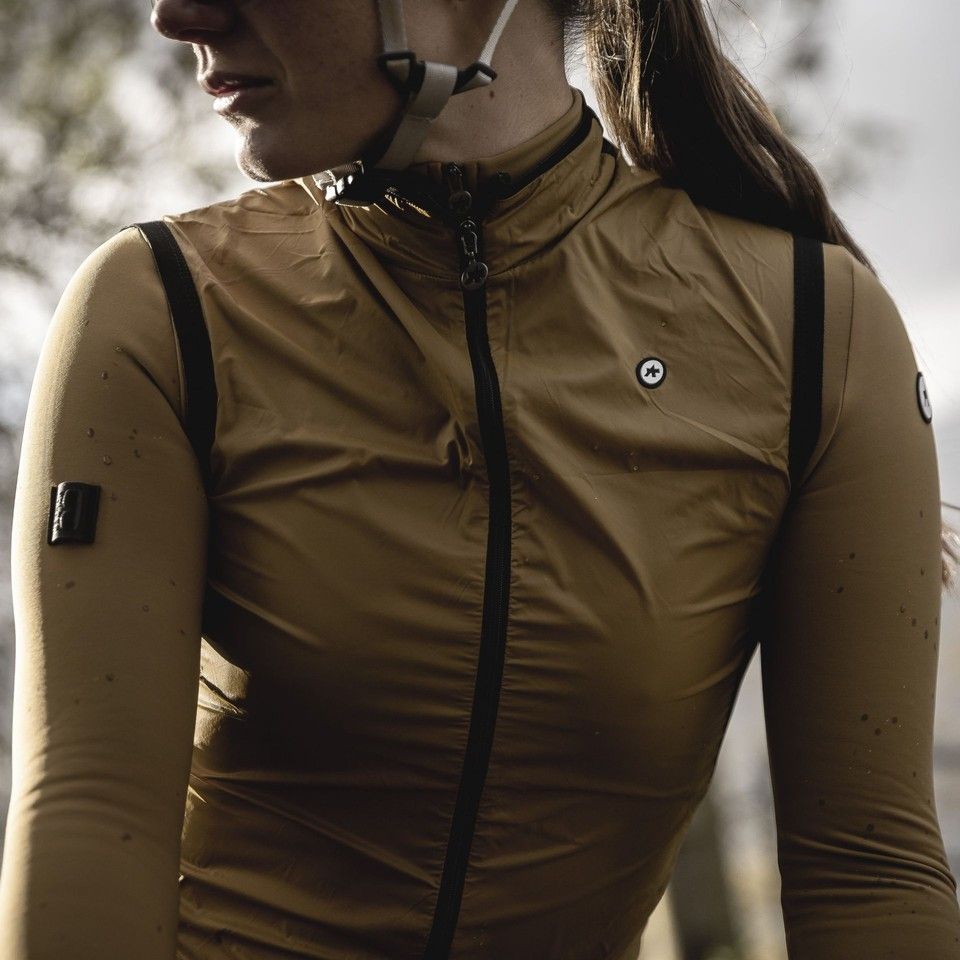
Warm & Insulated Cycling Jackets
In the depths of winter, thin layers aren't always enough. For very cold days or long bikepacking trips, an insulated jacket provides the extra warmth needed to stay comfortable.
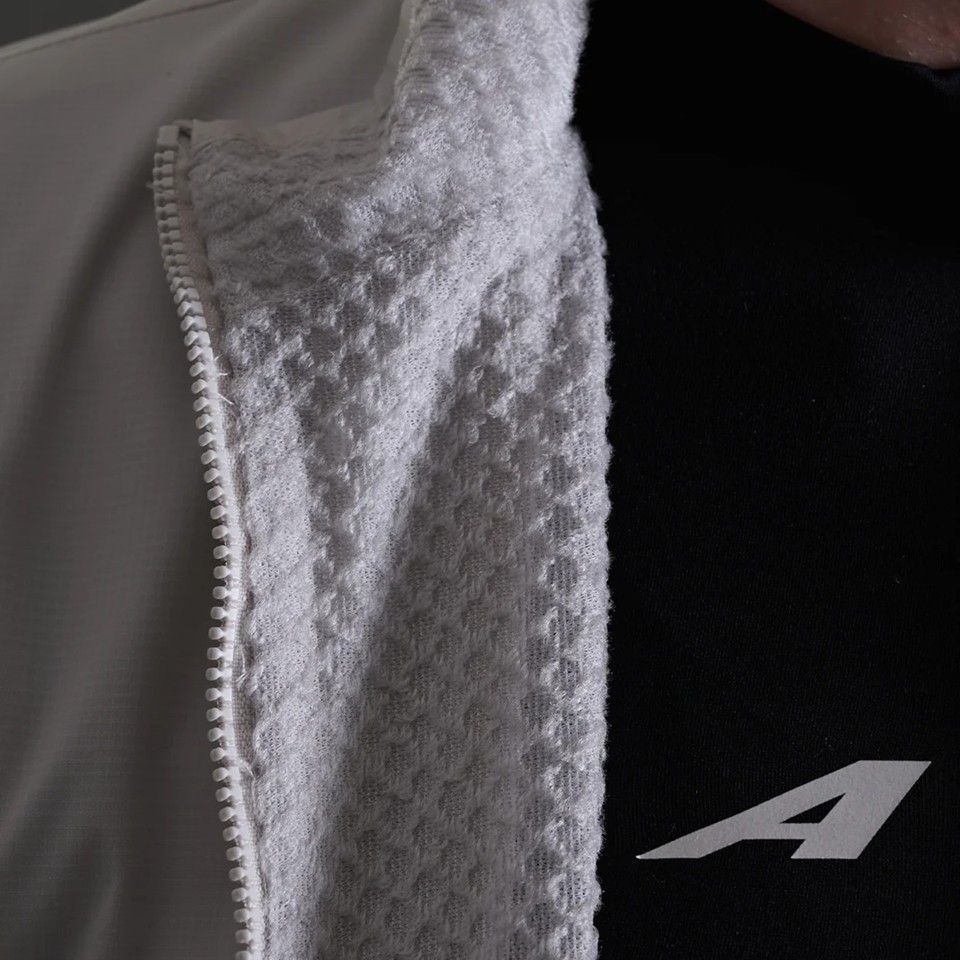
- Fleece-Lined Jackets (Softshells): These jackets combine a windproof or water-resistant outer layer with a fleecy, brushed inner face. They function like a heavy jersey and jacket in one, trapping warm air close to the body. They often feature stretch panels for a better fit and improved breathability but are not very packable.
- Synthetic Insulation Jackets: These look like modern down jackets but use synthetic microfibre insulation. This material traps a huge amount of air for exceptional warmth and has the major advantage of retaining most of its insulating properties even when damp. While extremely warm, their breathability is limited, making them best for very cold, low-intensity rides or for staying warm at a café stop or overnight camp.
At Sigma Sports, you'll find a range of options from lightweight waterproof cycling jackets to other jackets like thermal ones or jackets specific to road, gravel, or MTB riding.
Explore our seasonal selection of kit for cold and wet conditions and protect yourself from head to toe - don’t forget to keep your feet warm with waterproof cycling shoes or overshoes!
There is no getting away from the fact that waterproof cycling jackets are not cheap. However, investing in waterproof clothing is essential for cyclists. When you are 50km from home and the heavens open, that money will soon seem very well spent. Explore the latest jackets from Rapha, ASSOS, Castelli, MAAP and many more.
Shop Waterproof Cycling Jackets