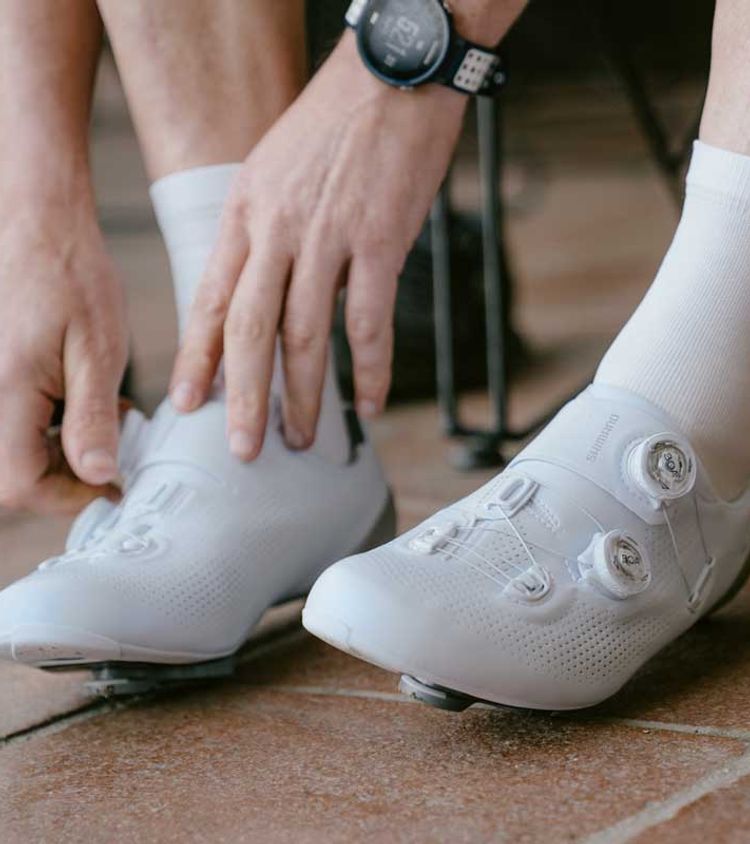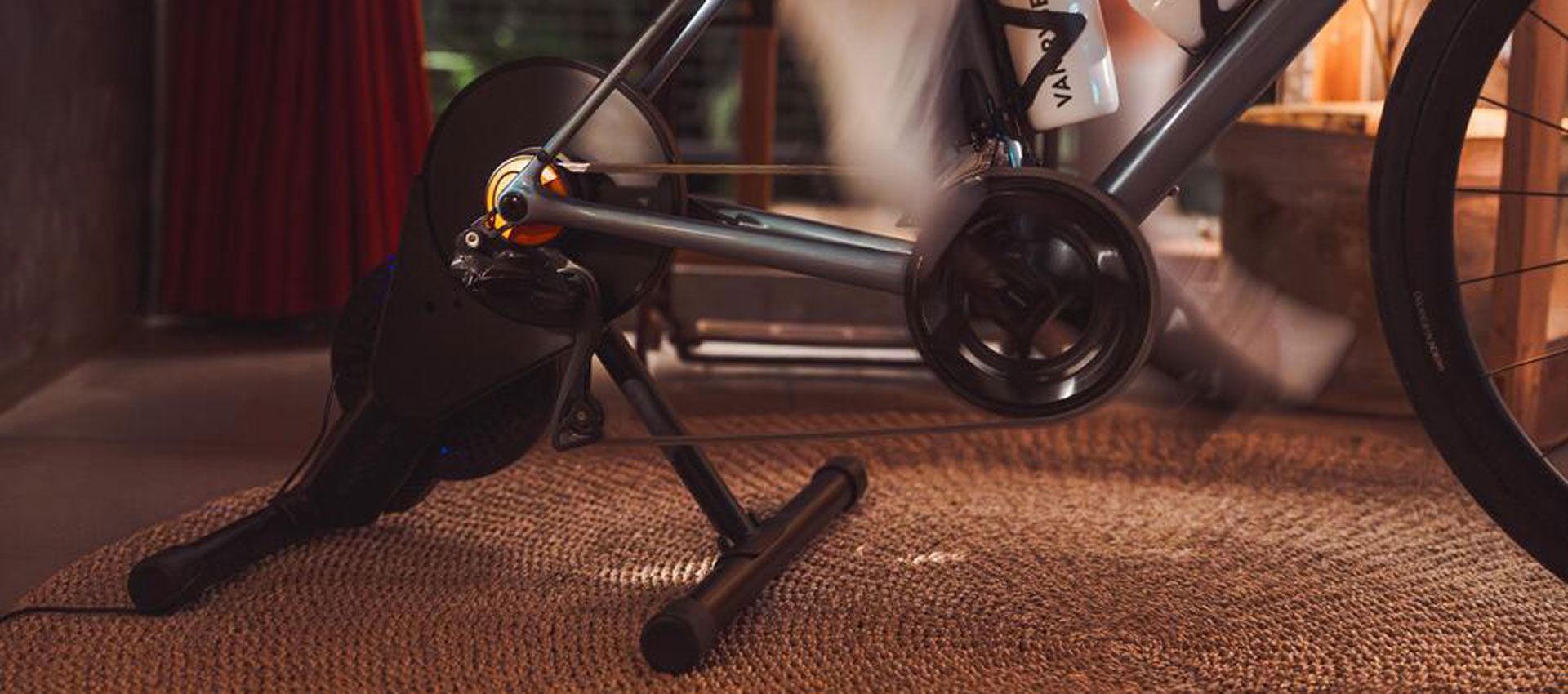
Cycling indoors, whether that be on an indoor trainer or on a smart bike can transform your experience on a bike and take your training to the next level. But who is indoor cycling for and how can it benefit you? We take a look at just a handful of reasons why cycling indoors is a good move.
Shop our range of turbo trainers and smart bikes
The busy parent
For busy parents, an indoor bike trainer makes it easier to fit cycling around family life. With no travel time, traffic or weather to consider, you can make the most of a spare 30 minutes before the school run or once the children are settled for the evening. Structured workouts help you get more from limited training time, while having your bike ready at home means you can jump on when the opportunity arises. It’s a practical way to keep riding, maintain your fitness and enjoy some valuable time for yourself around a packed family schedule.
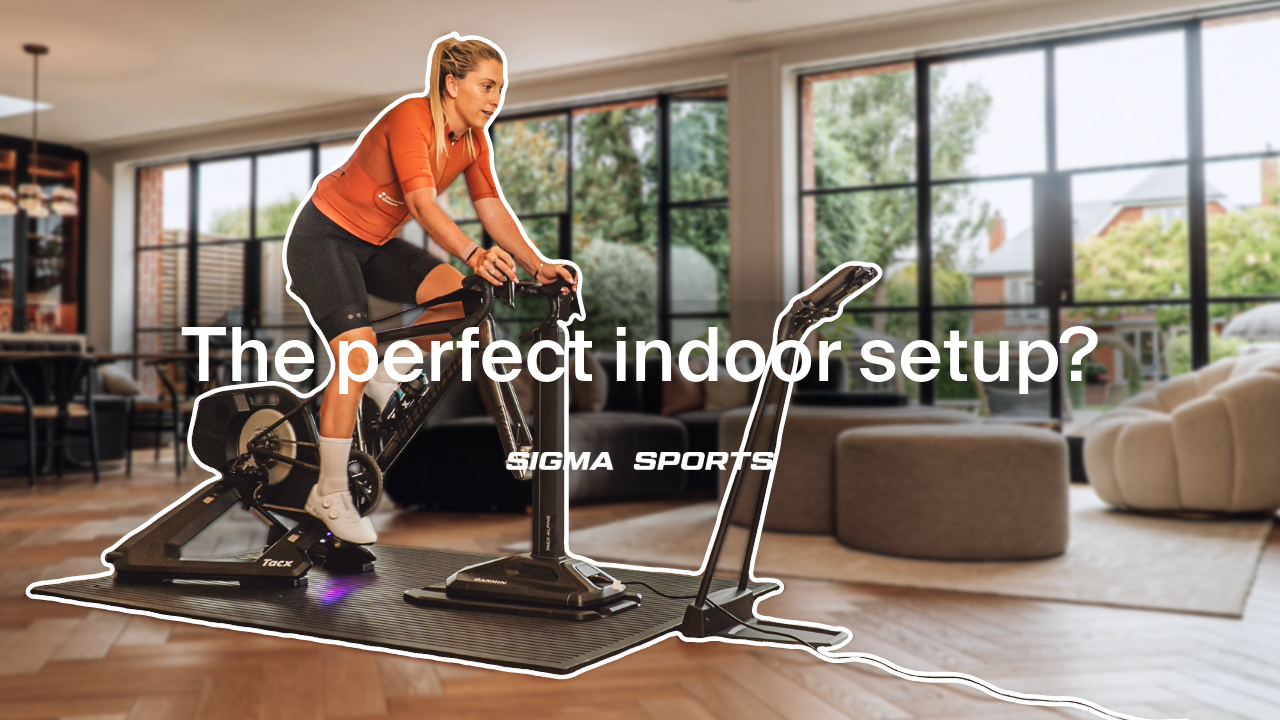
Dame Laura Kenny, five time Olympic gold medalist, is just one of these busy parents, who is still keen to stay fit and ride her bike. With the help of Garmin, Laura got hands on with some products in their range, to see if it would benefit her cycling.
Is 30 minutes on an indoor trainer enough? Yes, 30 minutes on an indoor trainer can be enough for a useful workout, whether you’re building fitness, completing focused intervals or enjoying an easy recovery spin. With fewer interruptions, you can make good use of limited training time, just allow for a warm-up and cool-down. Consistency matters more than making every session hard, although longer rides will still be useful if you’re preparing for an endurance event.

Garmin
Tacx Neo 3M Smart Turbo Trainer

Garmin
Tacx Alpine Gradient Simulator
The aspiring athlete
For an aspiring athlete, an indoor bike trainer offers a focused, consistent way to train towards your goals. With no traffic, junctions or weather interrupting your session, you can complete structured intervals, hold specific power targets and make every minute count.
A smart trainer paired with a compatible training app also allows you to complete an FTP test, helping establish your training zones and measure improvements over time. Whether you’re building endurance or developing race-winning power, indoor cycling workouts are a practical way to fit purposeful training around work and other commitments, turning ambition into measurable progress.
What is an FTP test and how often should I do one? An FTP (Functional Threshold Power) test estimates the highest power you can sustain for around an hour, giving you a benchmark for setting cycling training zones and tailoring workouts to your fitness. You don’t have to ride flat out for an hour: common options include a ramp test or a 20-minute effort, which your training app uses to estimate your FTP. Testing every six to eight weeks is a useful guide during structured training, or when workouts consistently feel too easy or too hard. For meaningful comparisons, use the same test format and equipment, and test when you’re rested.
The tech junkie
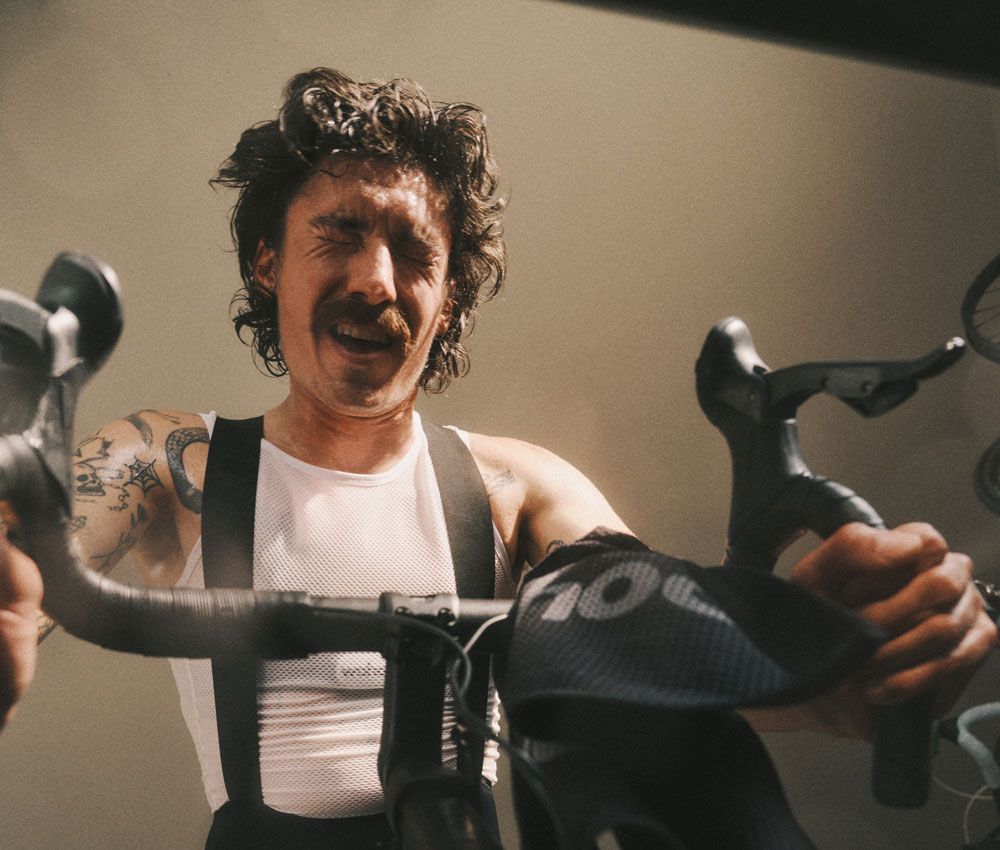
For a tech junkie, training indoors opens up a whole world of innovative indoor trainers, whether that be turbo trainers or smart bikes. Add into the mix indoor cycling training apps that combine your performance data with a truly immersive riding experience.
Platforms such as Zwift turn training into an interactive experience, with virtual worlds, structured workouts and a global cycling community, while a compatible smart trainer or bike adjusts resistance to match the terrain or session. Garmin’s Tacx Training app adds video routes and syncs ride data with Garmin Connect, giving riders plenty of stats to explore and progress to track. It’s an engaging way to put your cycling tech to work and make every session feel purposeful.
Finally the wide range of complementary indoor training accessories really bring that outdoor riding feel indoors. Whether you want to replicate steep ascents and descents with a device such as a Tacx Alpine Gradient Simulator or feel the wind in your hair with a fan, such as the Wahoo KICKR Headwind fan, there are products out there to take your ride up a level.
Which apps work with a smart trainer? Many smart trainers work with apps such as Zwift, ROUVY, TrainerRoad and Wahoo SYSTM, offering everything from virtual group rides and races to structured training sessions. Garmin’s Tacx Training app is another option for compatible Tacx trainers. Compatibility depends on your trainer model, connection method and the device running the app, so check the app’s supported trainer list before subscribing. If your setup uses virtual shifting, check that this feature is supported too.

Elite
Aria Interactive Fan

Wahoo
KICKR Turbo Trainer Floor Mat

Wahoo
KICKR Desk v2

Wahoo
KICKR Headwind Fan
Garmin
Tacx Alpine Gradient Simulator
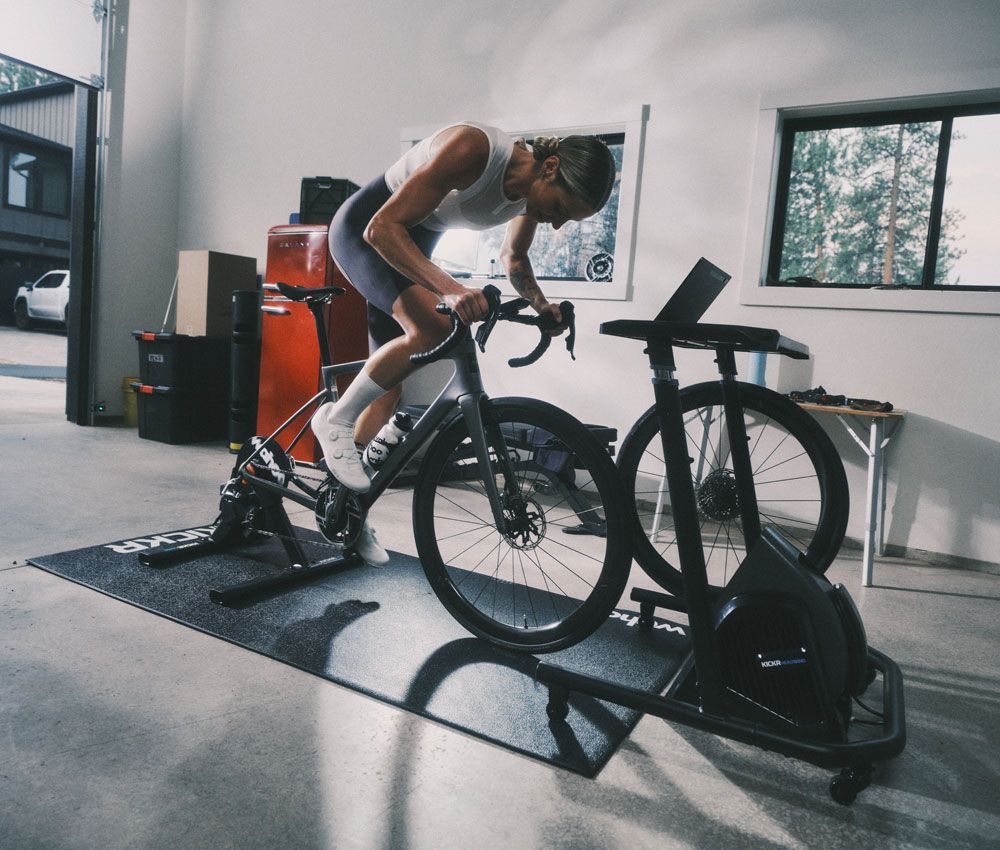
The triathlete
For a triathlete balancing swimming, cycling and running, training indoors makes it easier to fit quality sessions into a busy schedule, whatever the weather. A smart trainer and treadmill also make brick sessions straightforward, allowing you to move quickly from bike to run and practise running on tired legs.
The Wahoo KICKR RUN Smart Treadmill adds flexibility with RunFree mode, which automatically adjusts the belt speed to match your pace, letting you change effort naturally. With adjustable gradients and connectivity to apps such as Zwift, it offers an engaging way to tackle structured sessions and build consistency ahead of race day.

Wahoo
KICKR Run Smart Treadmill With Automatic Speed Adjustment
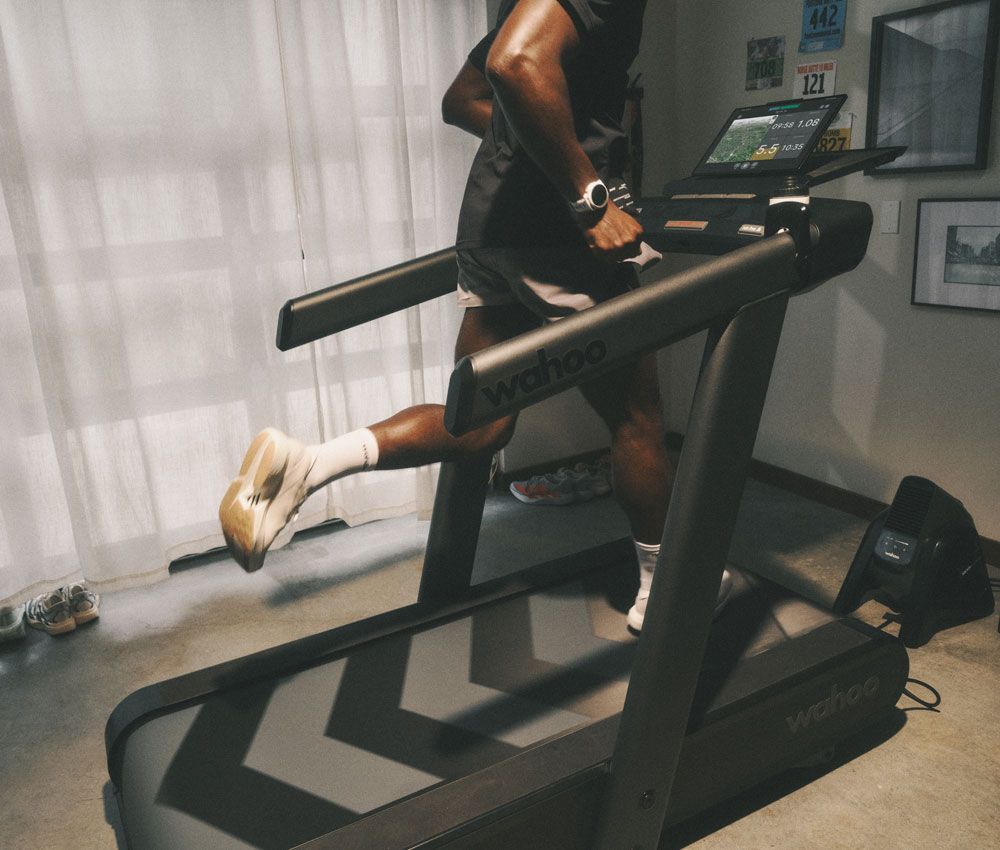
Whether you’re a busy cyclist fitting rides around work and family, a triathlete balancing disciplines or a tech enthusiast who loves training data, indoor cycling has plenty to offer. From easy spins to focused workouts and sociable virtual rides, you can tailor each session to your goals and available time. With the right setup, it’s a convenient and engaging way to keep riding consistently, whatever the weather.
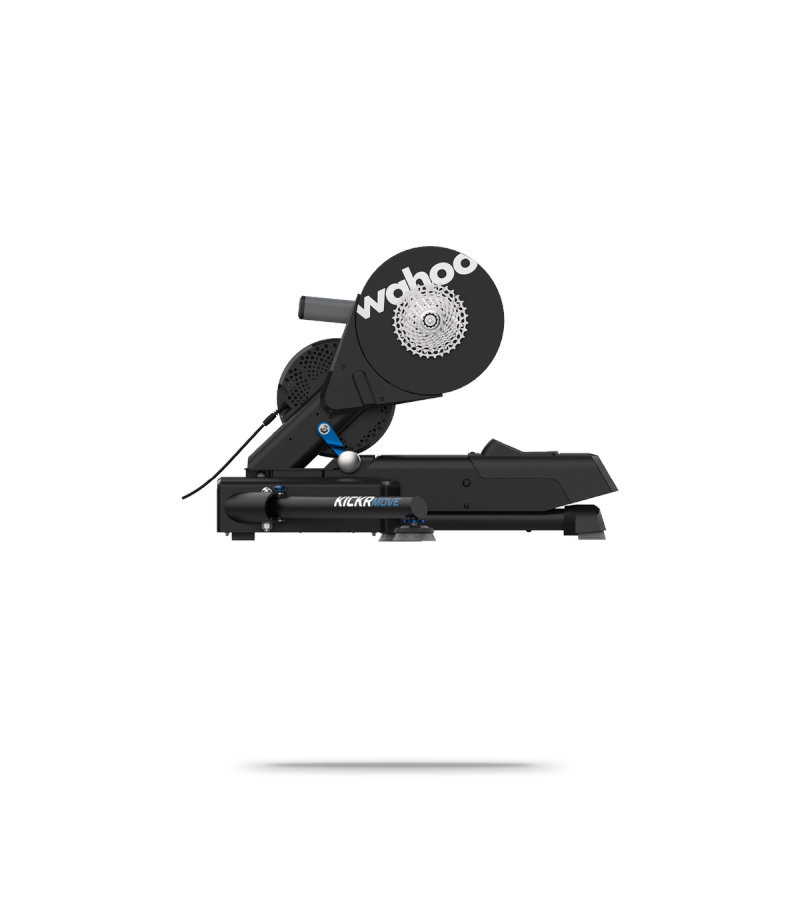
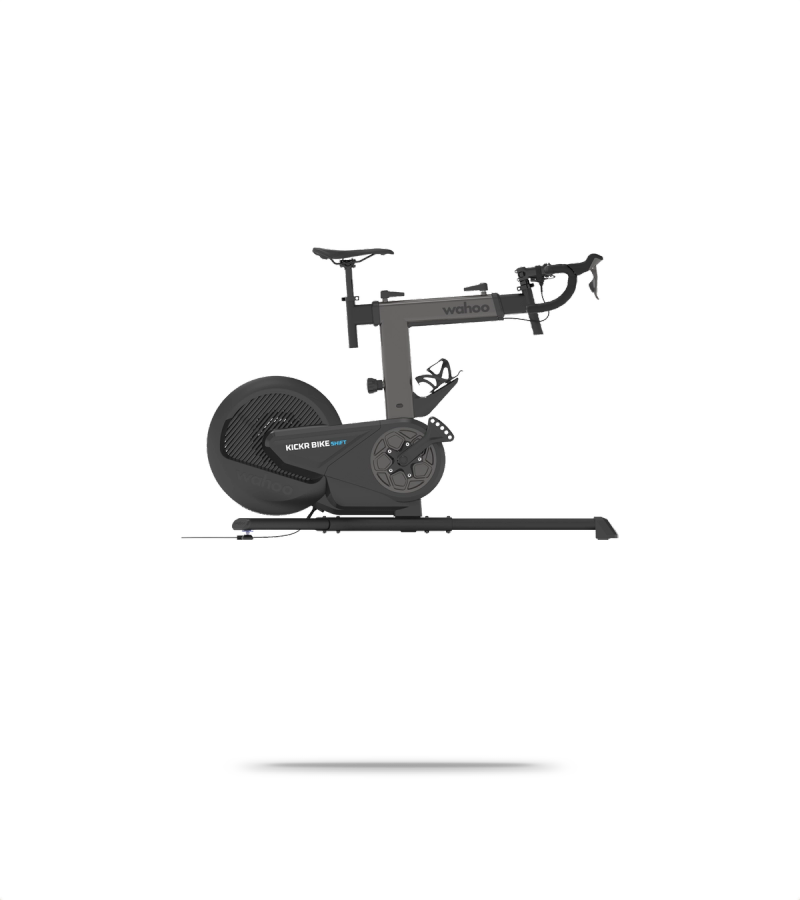
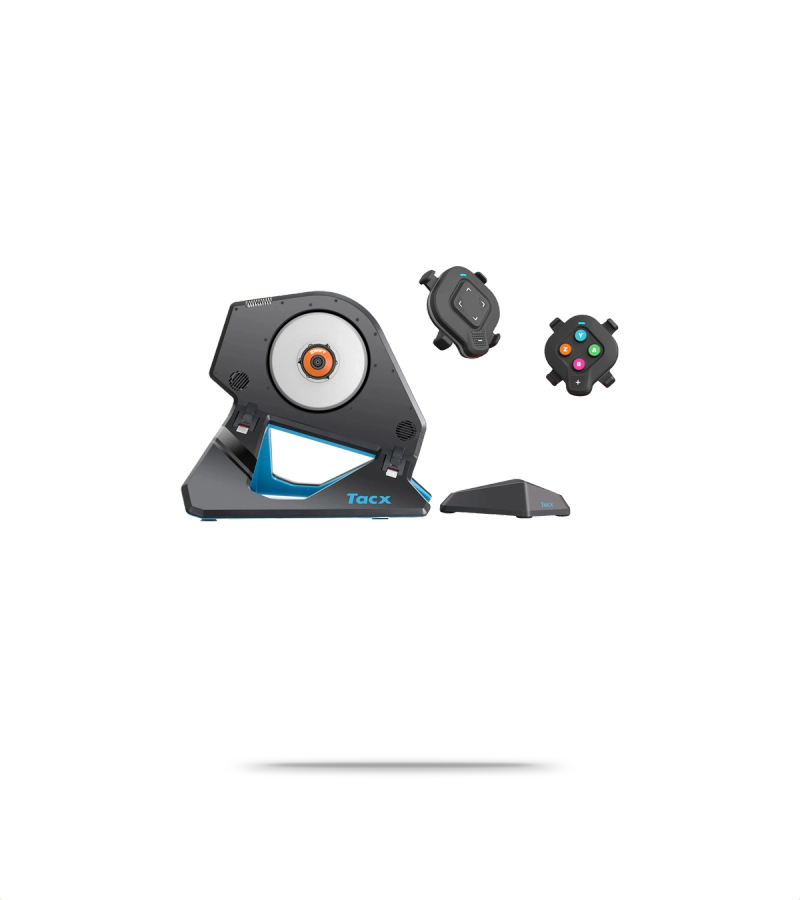
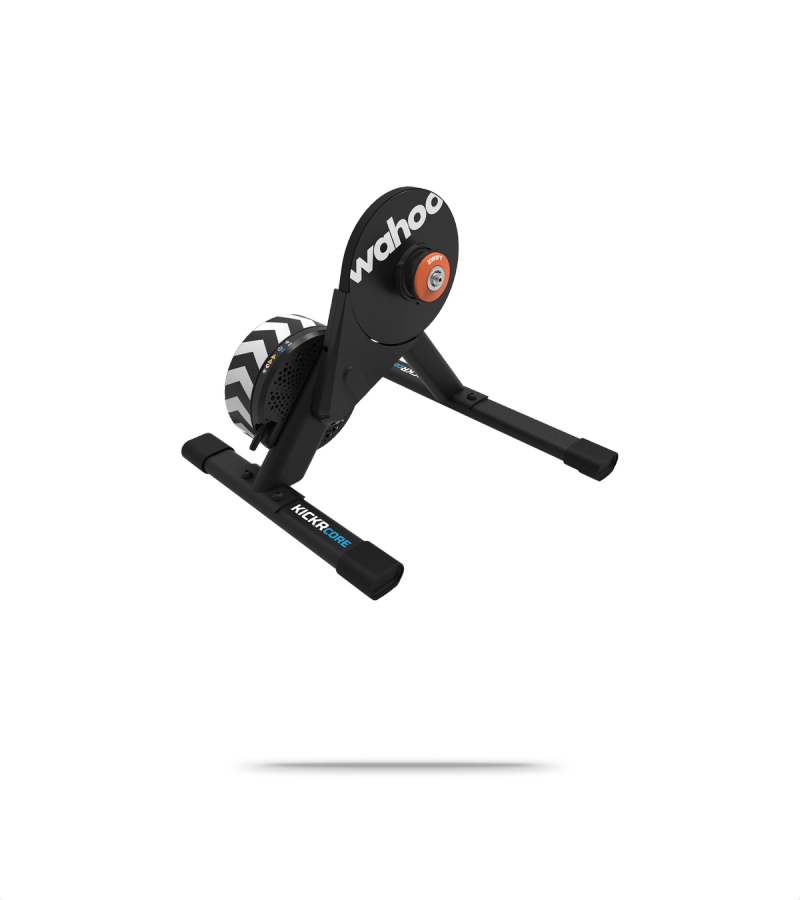
Shop indoor trainersFeatured Products
Frequently Asked Questions
Is indoor cycling as effective as riding outdoors?
Yes, indoor cycling can be just as effective as riding outdoors for building cycling fitness, provided your sessions match your goals. With fewer interruptions from traffic, junctions or descents, it’s easier to maintain a steady effort and complete structured intervals indoors. Outdoor riding develops handling skills, road awareness and confidence in changing conditions, so combining both can help you become a fitter, more rounded cyclist.
What do I need to start indoor cycling?
- Bike and compatible indoor trainer or smart bike. - Cassette or axle adapters, if required by your trainer (check what’s included) - Fan to help keep you cool. - Towel and water bottle to manage sweat and stay hydrated. - Floor mat to protect your flooring from sweat. - Optional phone, tablet or computer with a training app, such as Zwift, for virtual rides and structured workouts.
Turbo trainer or smart bike: which is right for me?
A turbo trainer is a good choice if you already own a compatible bike and want a setup that’s generally more affordable and easier to store. You’ll ride in your familiar position, although you may need to mount and remove the bike between sessions. A smart bike suits riders who want a dedicated indoor setup that’s always ready to use, with adjustable fit settings that can make sharing between household members easier. It typically costs more and needs a permanent space, so weigh up your budget, available room and how often you plan to train indoors.
What is the difference between wheel-on, direct-drive and smart bikes?
A wheel-on trainer holds your bike in place with the rear tyre pressed against a resistance roller. It’s usually the most affordable option and easy to set up, but tyre pressure and roller tension affect ride feel, and it can create more noise and tyre wear. A direct-drive trainer replaces your rear wheel, with the bike’s chain driving a cassette on the trainer, generally offering a quieter ride and more consistent power measurement on smart models. A smart bike is a complete indoor training bike with integrated resistance and adjustable fit settings, so you don’t need to attach your outdoor bike. Both wheel-on and direct-drive trainers can have smart features; “smart” refers to connectivity and functions such as app-controlled resistance.
Are turbo trainers noisy? Can I use one in a flat?
Modern turbo trainers can be quiet enough to use in a flat, particularly direct-drive models, which remove the rear wheel and eliminate tyre-on-roller noise. Wheel-on trainers tend to be louder, while your bike’s drivetrain, a cooling fan and vibrations through the floor can all add noise. A dense trainer mat can help reduce vibration, and keeping your drivetrain clean and lubricated helps things run quietly. If you have downstairs neighbours, consider where you position your setup and avoid early-morning or late-night sessions, especially in buildings with wooden floors.
Can I see indoor trainers in a Sigma Sports store?
Contact your nearest Sigma Sports store to check which indoor trainers are available to view and whether a demonstration is possible before you visit. The in-store team can offer expert advice and can assist in placing an order.
Does Sigma Sports help setup an indoor trainer?
Sigma Sports’ Customer Care team can help with product questions and advise on getting started with your indoor trainer. For hands-on setup, such as fitting a cassette or mounting your bike, contact your nearest store to confirm what assistance is available and any charges.
Related Articles
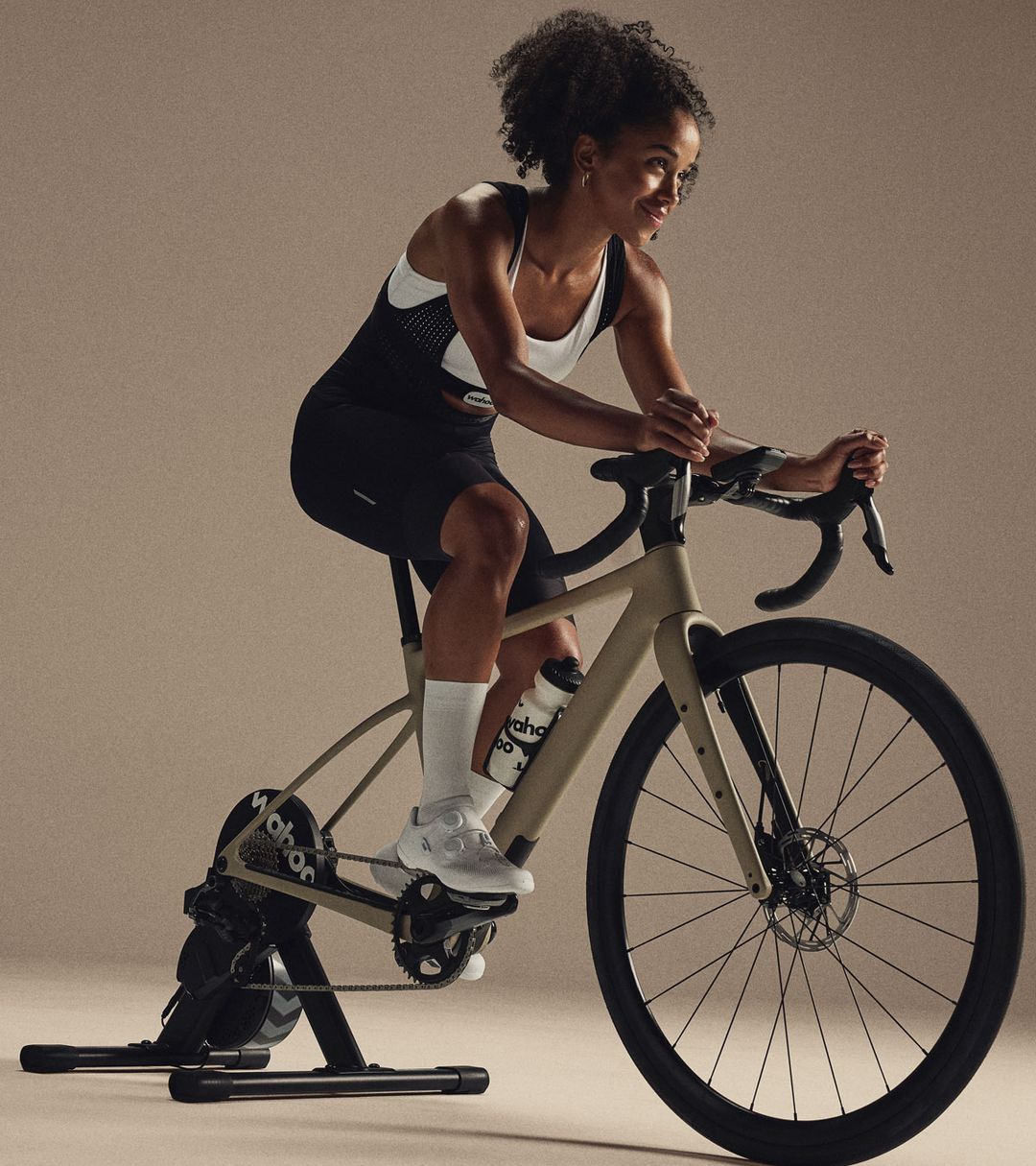
We take a look at the ever-popular Wahoo KICKR smart turbo trainers and the KICKR Bike PRO smart bike.