Safety, Kit and Confidence for Cold Rides
Cycling through winter is an unavoidable reality for riders in the northern hemisphere. As the clocks change, daylight shrinks and temperatures drop, even the most committed cyclists can find themselves battling cold fingers, dark roads and unpredictable surfaces. But with the right preparation, cold weather cycling can be rewarding, confidence-boosting and an excellent way to build fitness for the season ahead.
From choosing the correct kit to adapting your riding style, these winter cycling tips will help you stay warm, visible and in control when conditions are at their toughest. Whether you’re commuting, training or riding for enjoyment, use this numbered guide to make winter riding safer and more enjoyable.
Protect Your Extremities First
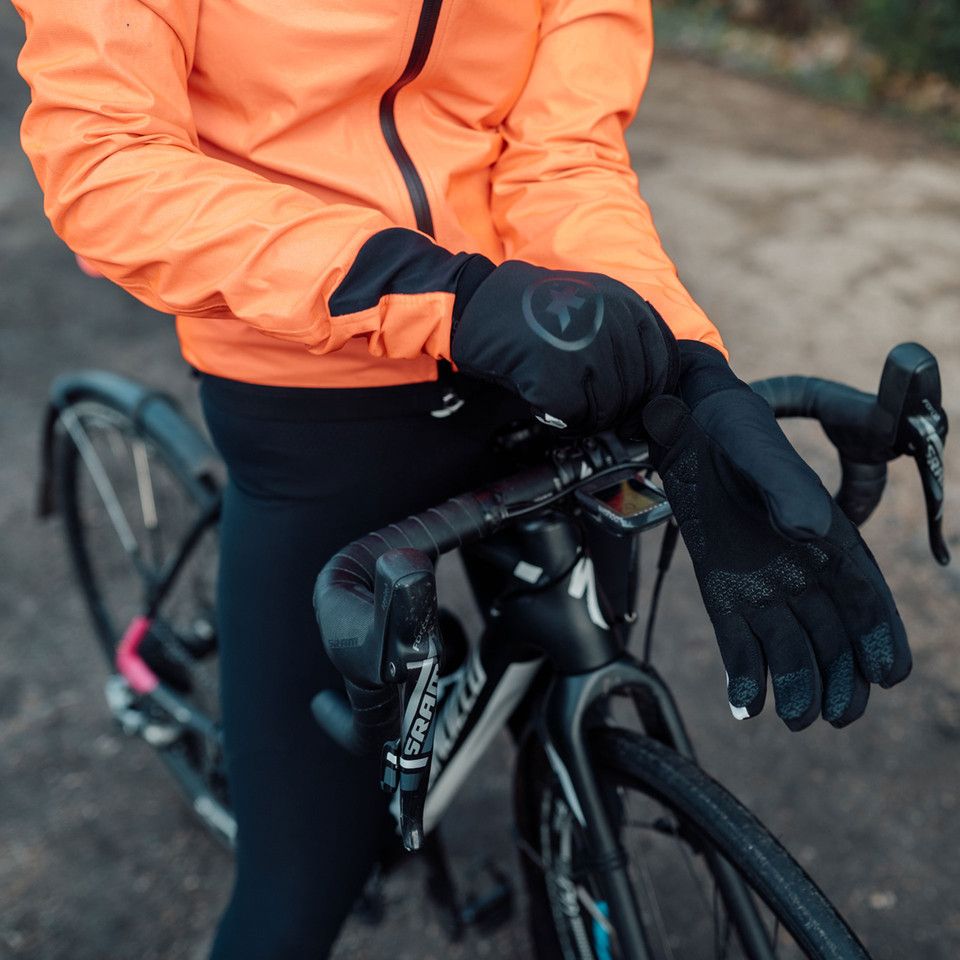
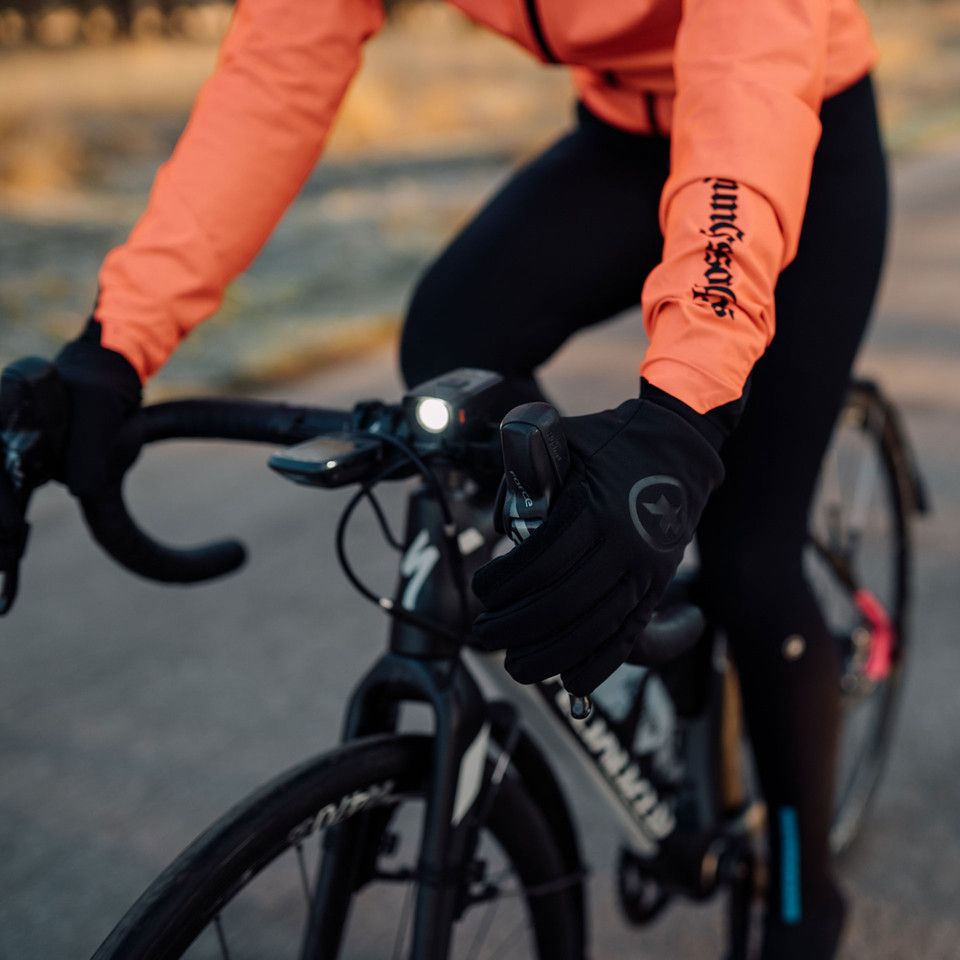
One of the biggest challenges in cold weather cycling is keeping your hands and feet warm. Cold fingers reduce dexterity, making it harder to brake or shift gears, while numb toes can quickly turn a ride miserable.
Invest in:
Layering is important, but correct material choice matters more, windproof and waterproof fabrics help retain warmth without bulk. Simple hacks like toe covers, bar mitts or chemical warmers can also make a noticeable difference on long rides. Warm extremities aren’t just about comfort, they’re a critical part of winter cycling safety. Read our guide to keeping your fingers and toes warm when cycling and our clothing guide & winter cycling gear article which covers the clothing you need for the poor weather. These will give you some pointers on winter cycling clothing to help you stay warm and avoid wet feet!
Dress for Cold Weather Cycling, Not Just the Temperature
Winter conditions are rarely consistent. One ride can include freezing starts, mild middles and wet, windy finishes. Dressing for cold weather cycling means planning for variability.
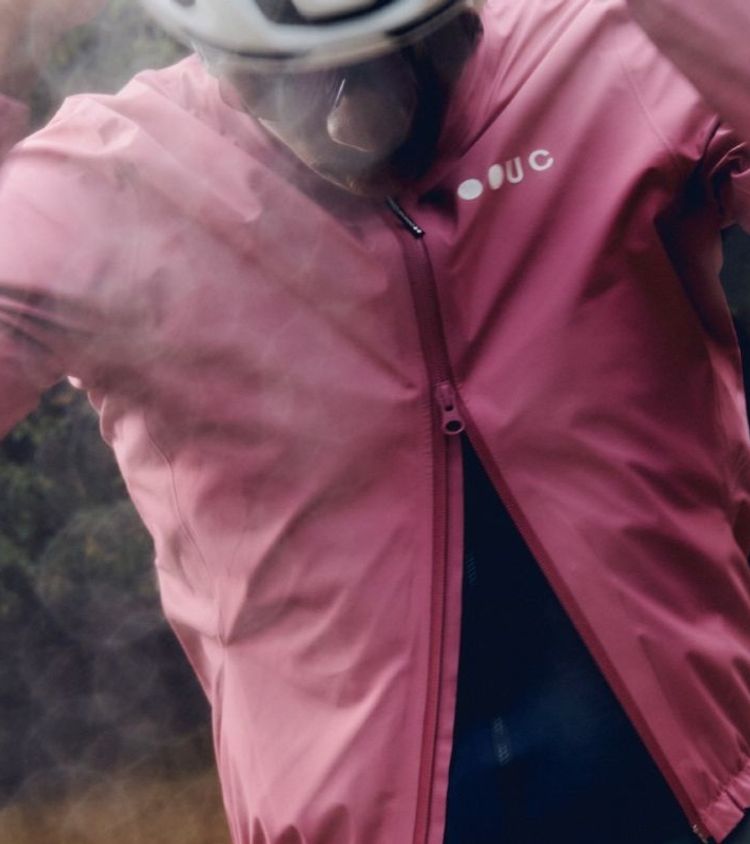
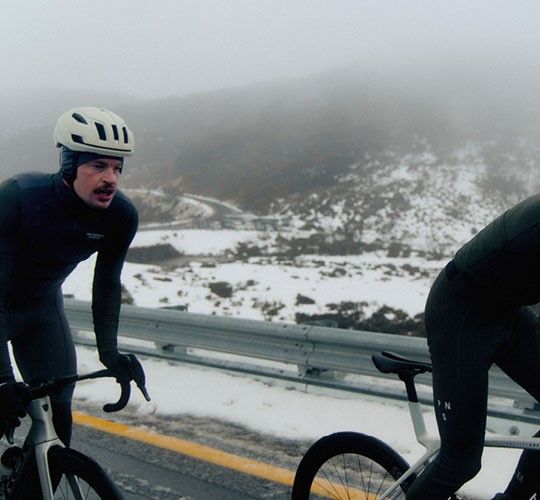
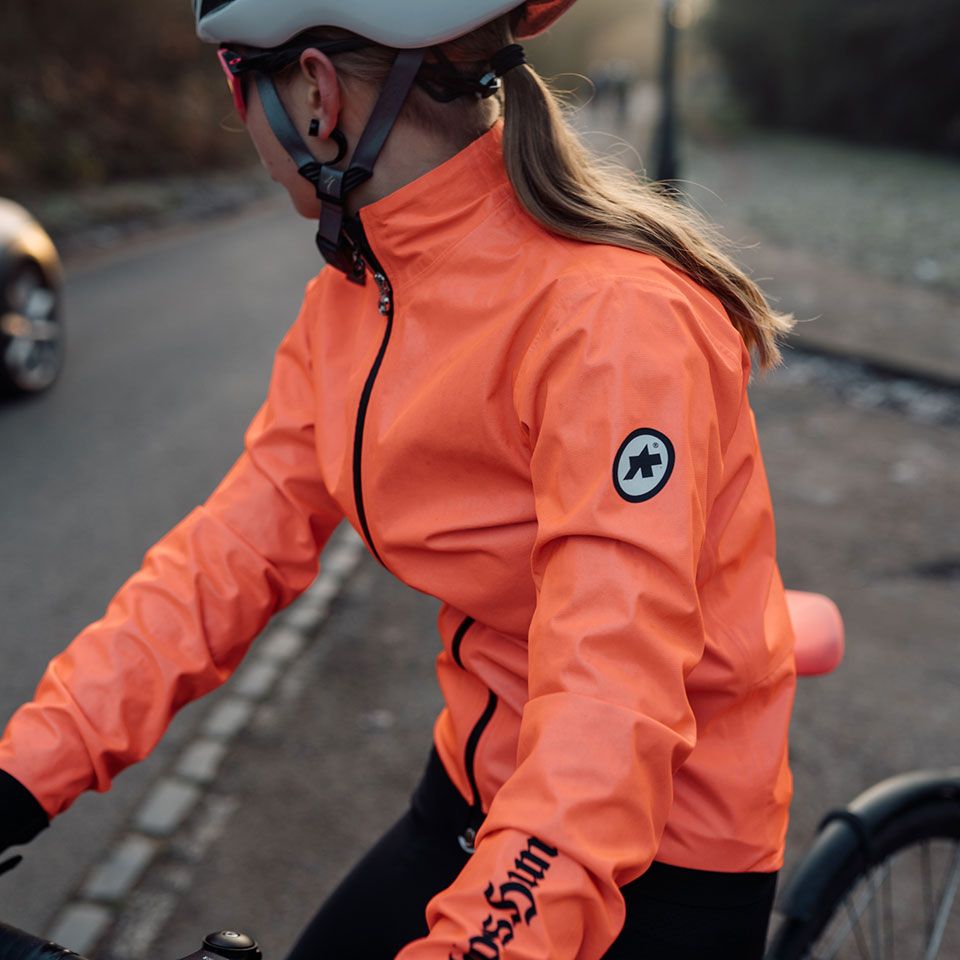
Start with a quality base layer to regulate body temperature and manage sweat. Add an insulating mid-layer and finish with a breathable, windproof outer jacket. Avoid overdressing, as sweat build-up can make you colder later in the ride.
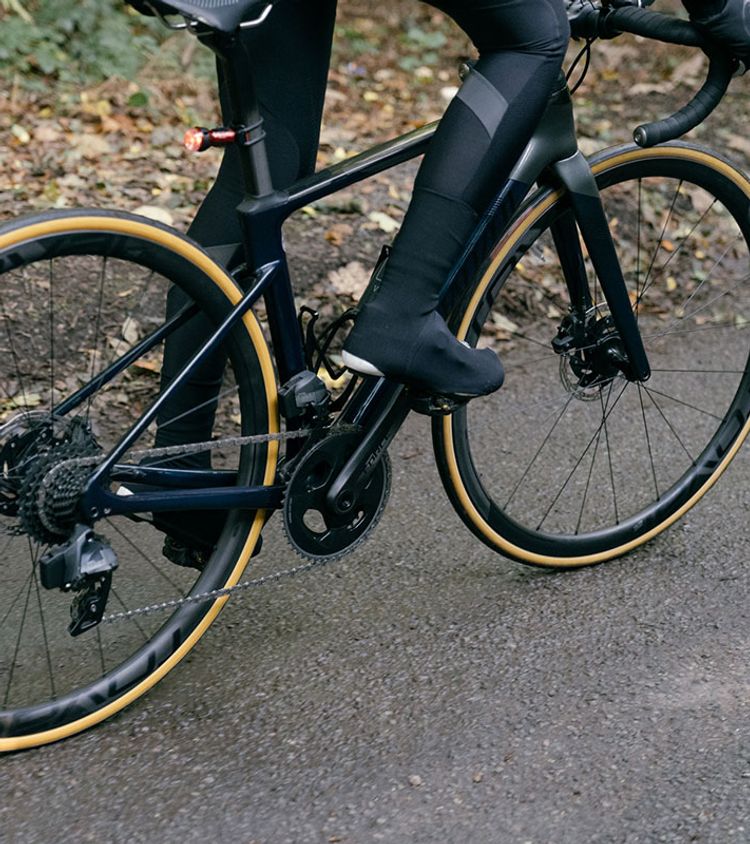
For the lower body, thermal bib tights, leg warmers and waterproof socks help maintain comfort without restricting movement.
Prepare Your Bike for Winter Conditions
Winter riding places extra strain on your bike. Water, grit and road salt accelerate wear, so preparation is key. Many riders use a dedicated winter bike, but even if you only have one bike, winterising it properly will extend component life and improve reliability.
Fit durable tyres, use full-length mudguards, and switch to wet-weather chain lube to keep everything running smoothly. These winter cycling tips apply whether you’re commuting daily or building base miles through the off-season.
Choose the Right Winter Bike Tyres
Whether it is wind, rain, snow, or hail, the conditions through winter lead to more debris being washed out on the road, not to mention ice, deceased animals and grit salt. These conditions increase your chance of puncturing dramatically, so more durable tyres are in order. Opt for tougher, puncture-resistant winter tyres with slightly wider profiles. Wider tyres allow lower pressures, improving comfort and grip, particularly useful for icy road cycling advice scenarios where traction is limited. If you regularly ride on poorly maintained roads, durability should take priority over outright speed.
Adjust Tyre Pressure
Tyre pressure plays a crucial role in winter handling. On wet or cold roads, slightly reducing pressure, typically by 10–20% depending on rider weight and tyre width, can increase grip and stability. Be cautious not to drop pressure too far, as this may lead to pinch punctures or sluggish handling. The goal is predictable, confidence-inspiring control, especially when braking or cornering on slippery surfaces.
Be Fully Prepared for Punctures
If you ride regularly through the winter though, punctures are an unfortunate inevitability, so being prepared to make a repair is essential. Make sure you are always carrying a couple of inner tubes out on your ride as well as a CO2 inflator or mini pump; in a trusty saddle bag.
Use Bike Lights, Day and Night
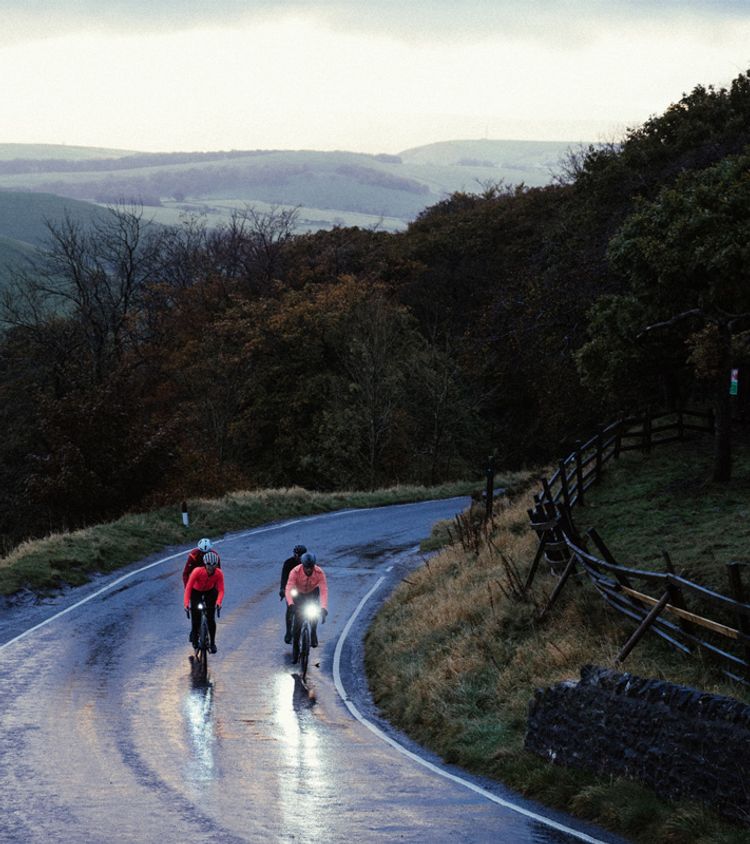
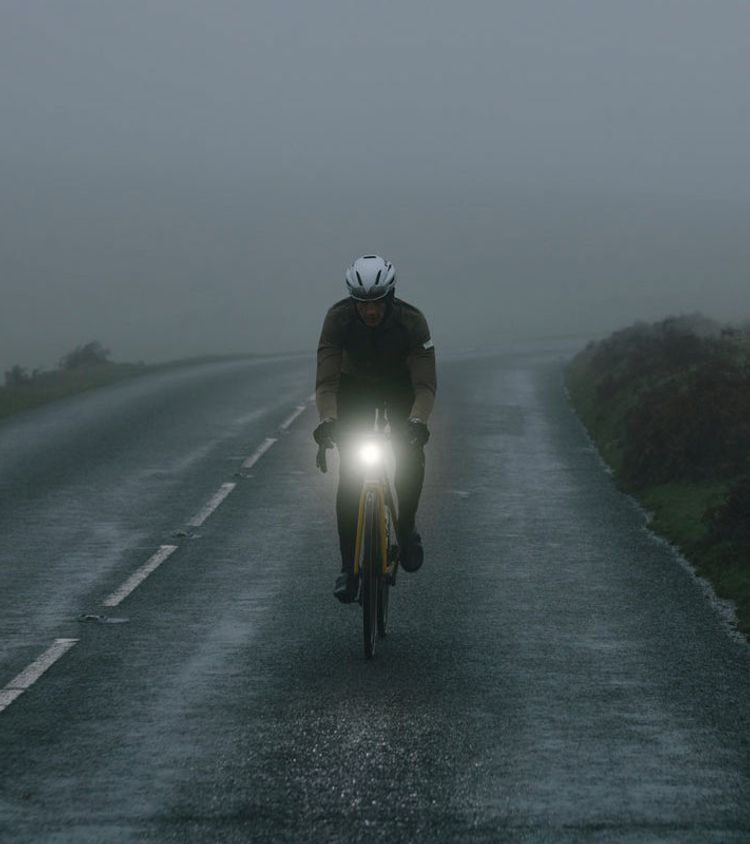
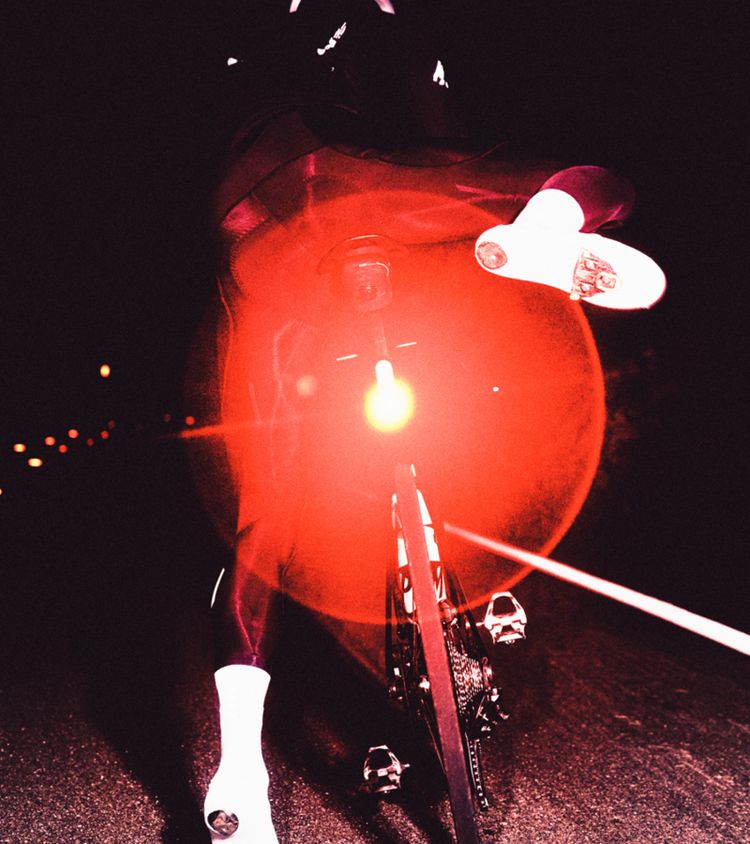
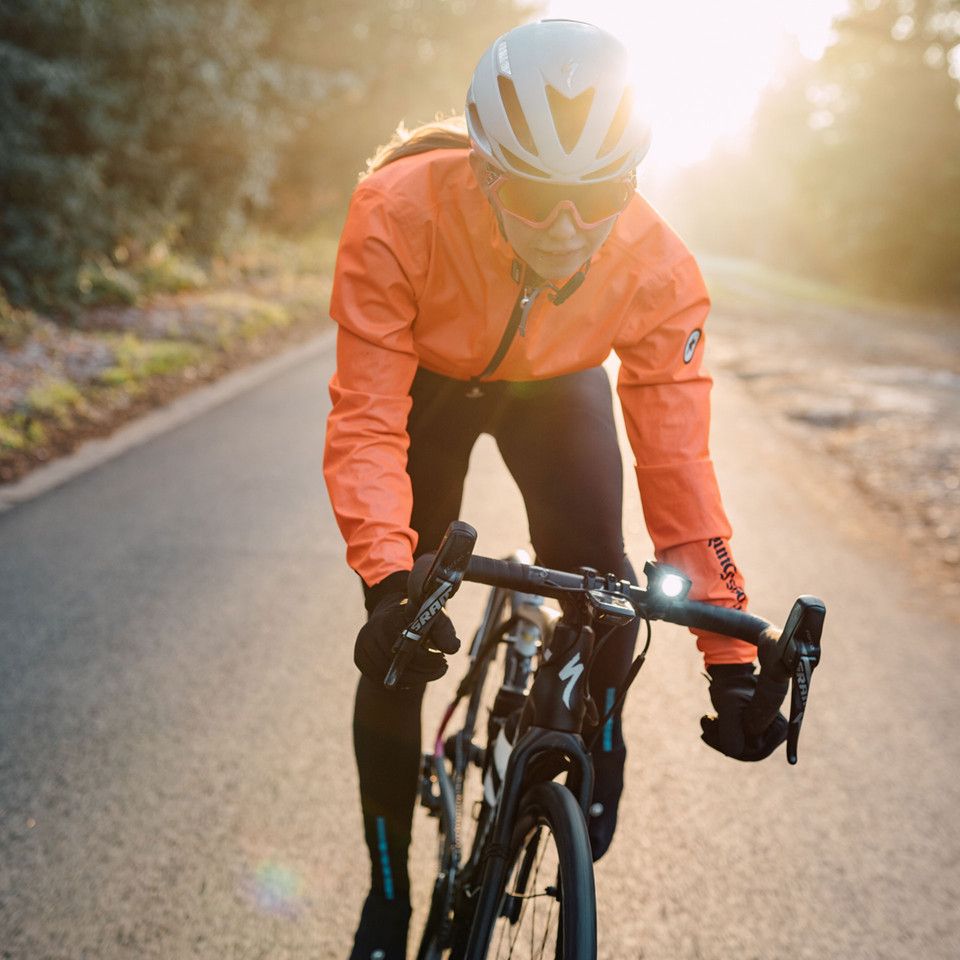
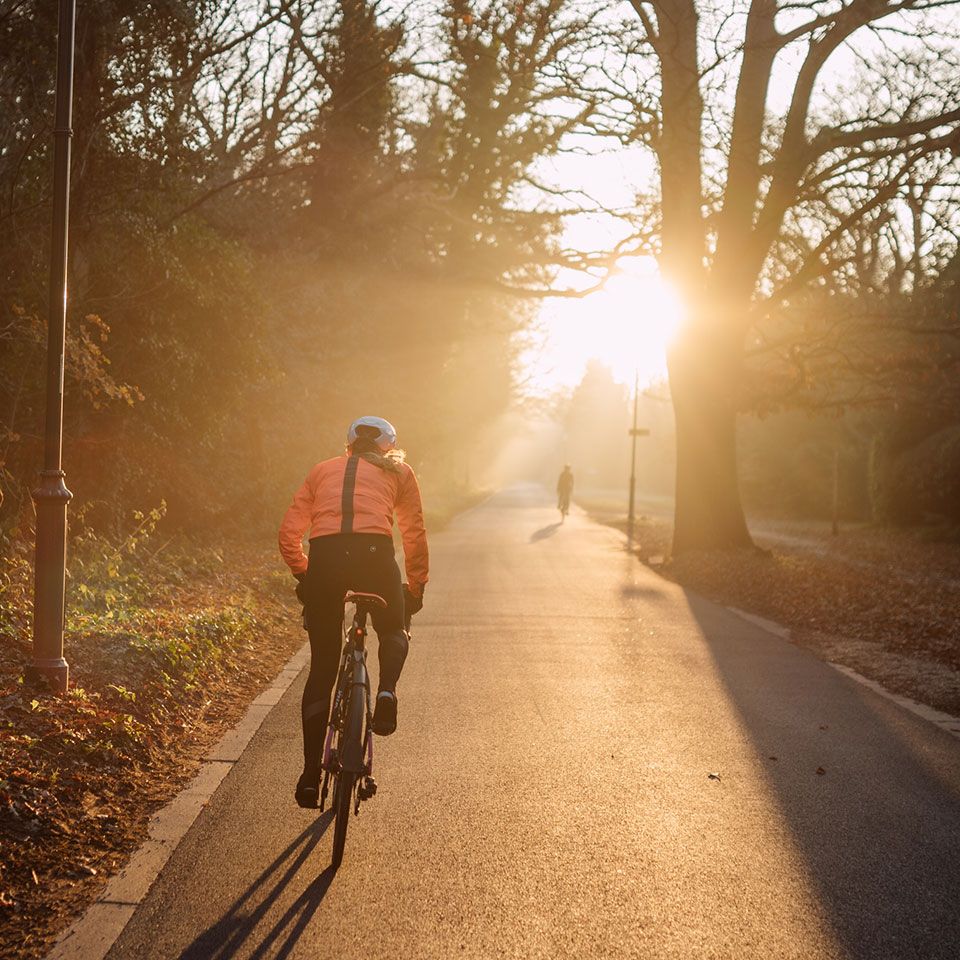
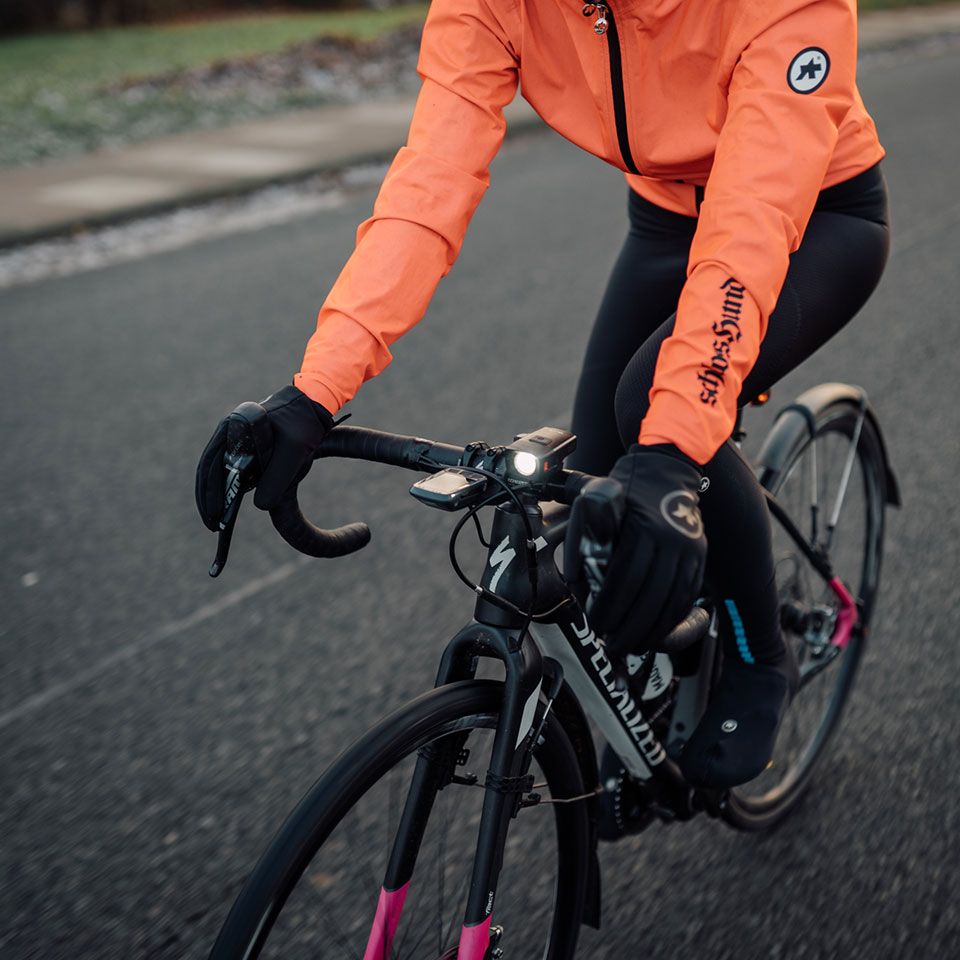
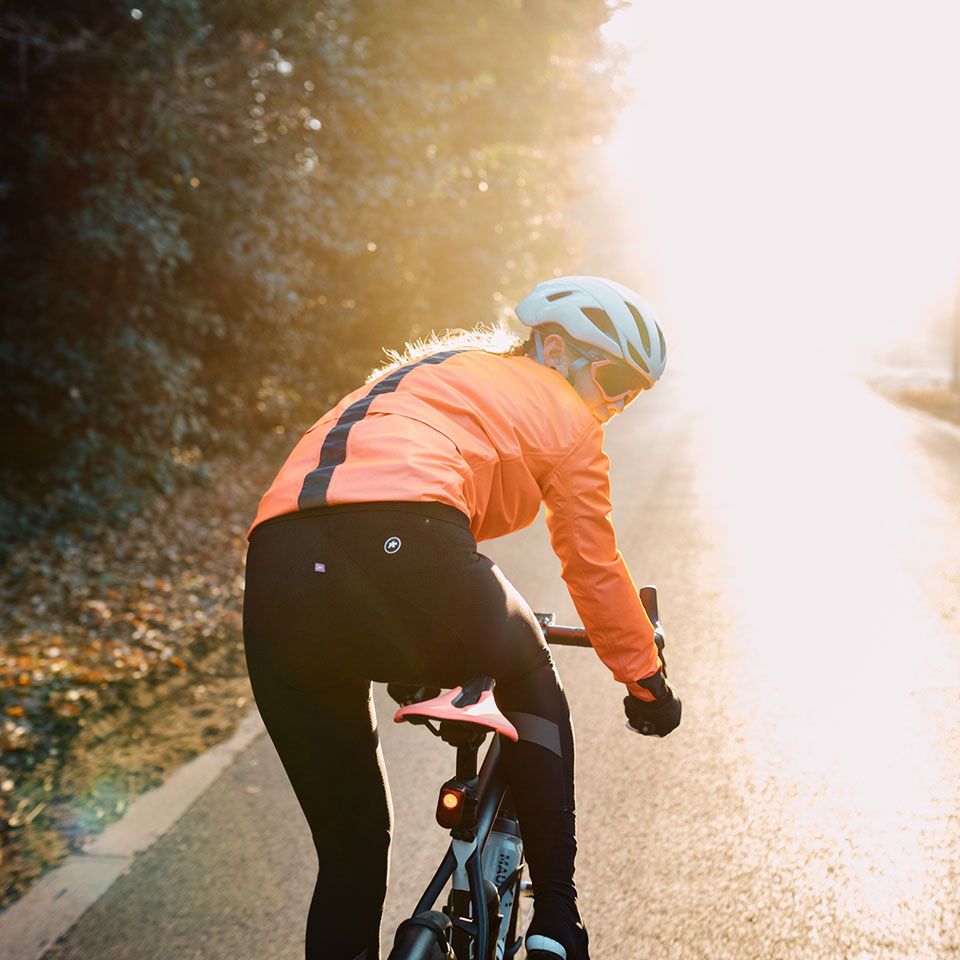
It goes without saying that you should always have bike lights on, to see and be seen. Short days, low sun angles and heavy cloud reduce visibility even during daylight hours. Run bike lights both front and rear at all times. Choose lights with daytime flash modes and sufficient lumen output for poor weather. Always ensure batteries are fully charged before heading out. When riding into a low winter sun or heavy rain, position yourself clearly in the road so other users can see you. Visibility equals safety. Remember also, when riding into a low and glaring winter sun, and especially when roads are wet, to consider your position in the road so that you are safe and visible to fellow road users.
Read our guide to help you choose the correct light for you this season. Hi-vis clothing is also essential, especially on parts of your body that are prone to a lot of movement while you ride, as this will help to catch drivers' attention. Having hi-vis jackets, overshoes, gloves and helmet stickers are all great ways to make others on the road take notice of you.
Fit Mudguards to Stop Spray and Protect Components
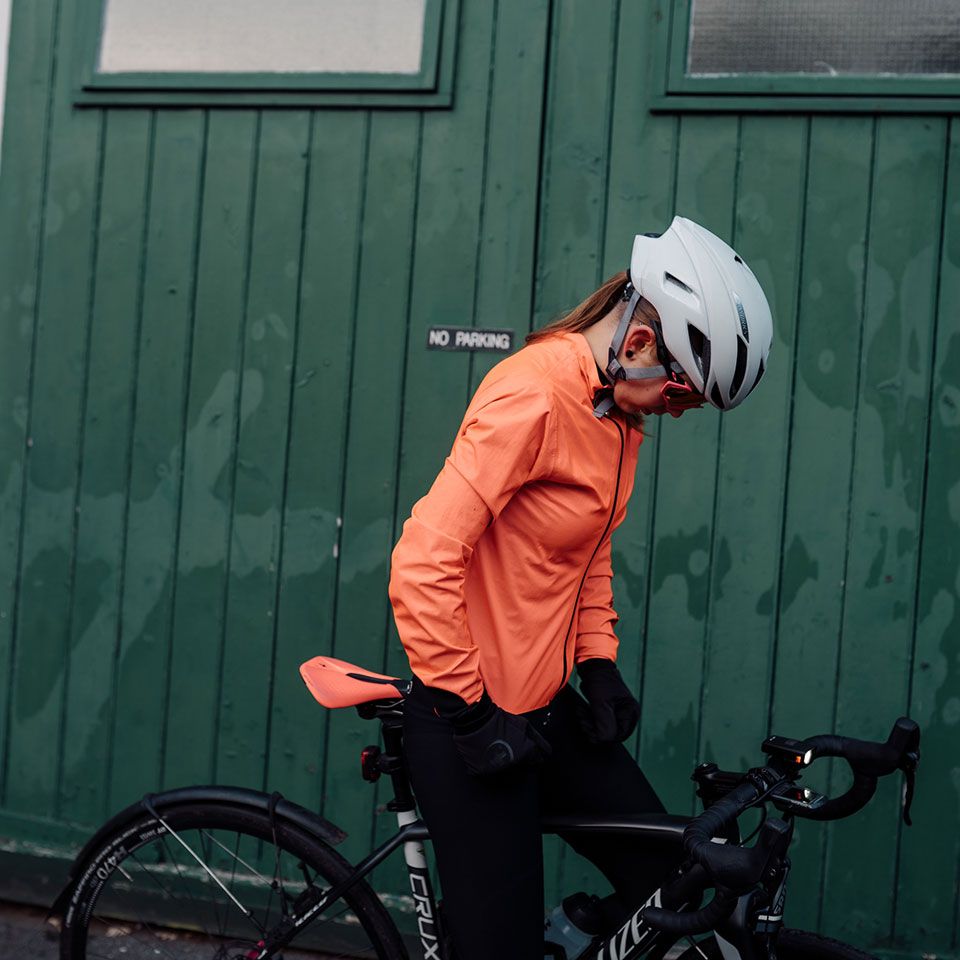
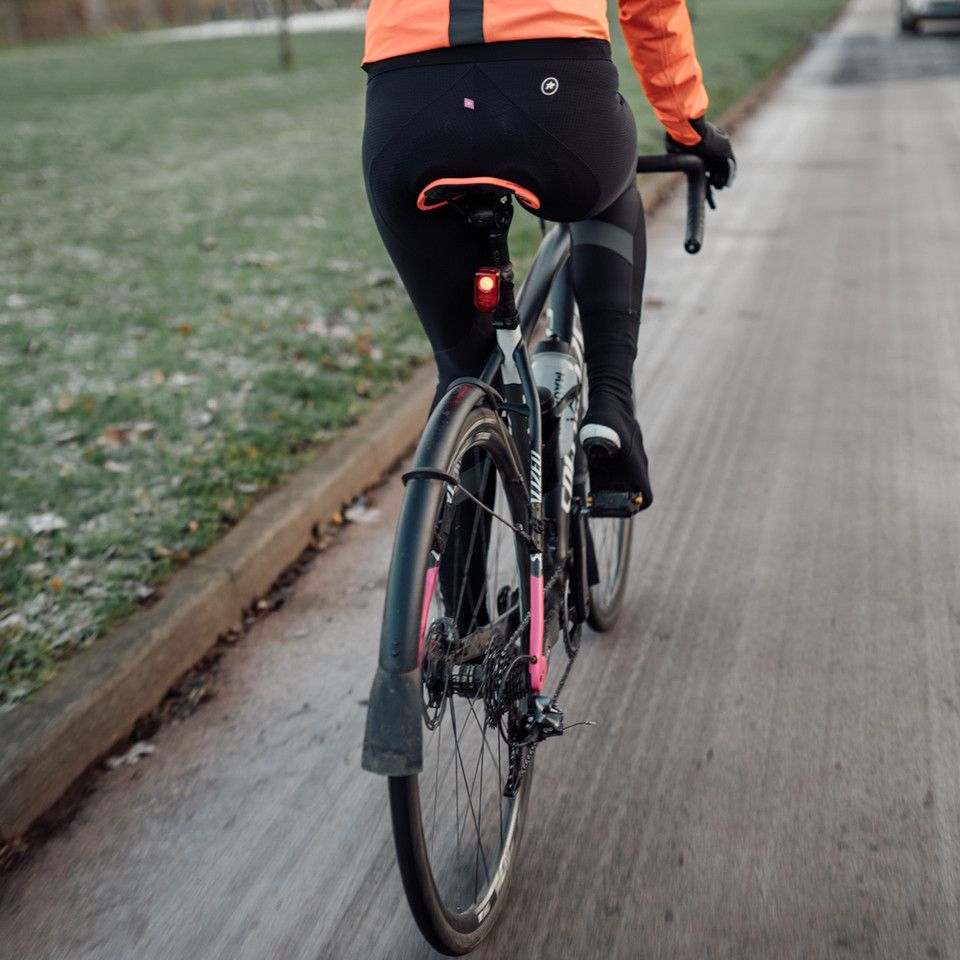
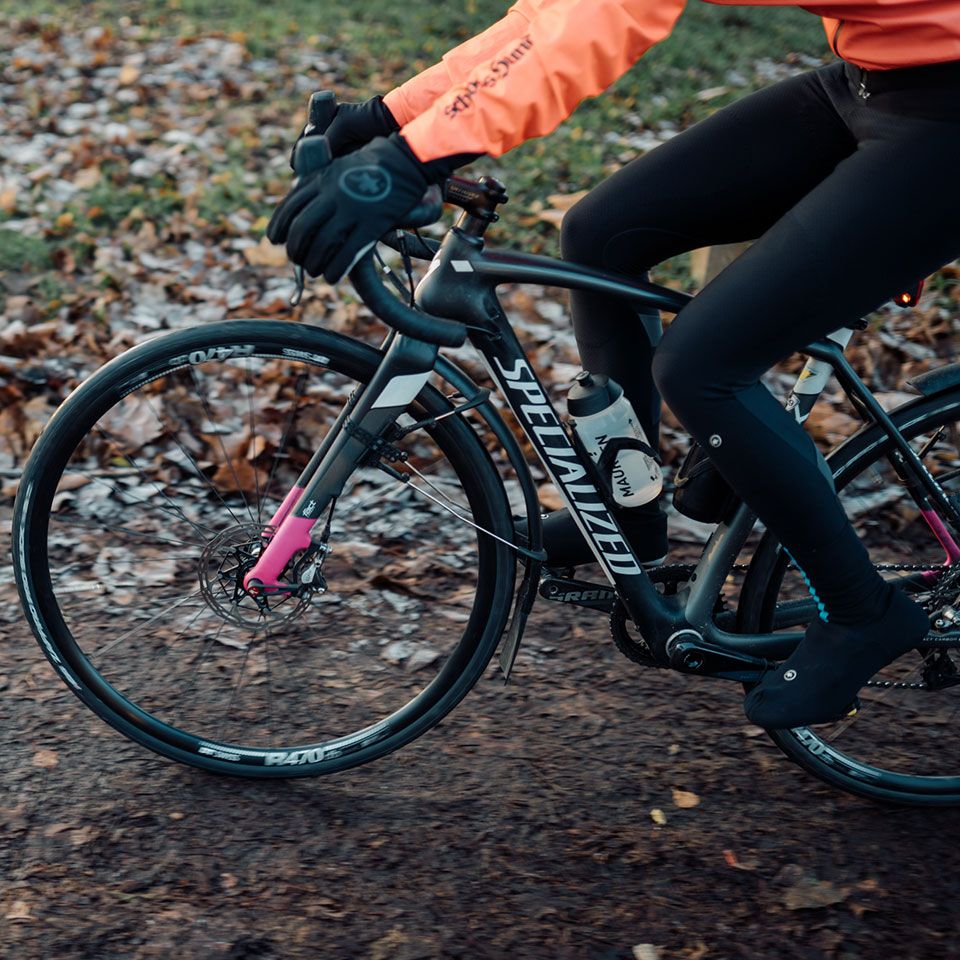
Cycling through most of the year in the UK can be a wet affair but in the winter months it can be particularly bad. There is usually enough water falling from the sky to keep you occupied so any extra coming up at you from the ground, in the form of wheel spray, is definitely not welcome. Mudguards are one of the most underrated winter upgrades. They keep you drier, warmer and more comfortable while also protecting your bike from corrosive road spray. Full-length mudguards with flaps reduce water and grit thrown up at both you and fellow riders. They also significantly reduce drivetrain wear, saving money on maintenance in the long run.
Riding behind a fellow cyclist in the wet who hasn't fitted mudguards, with flaps, can be particularly unpleasant, especially if you are not wearing cycling glasses.
Cleaning Your Bike More Frequently
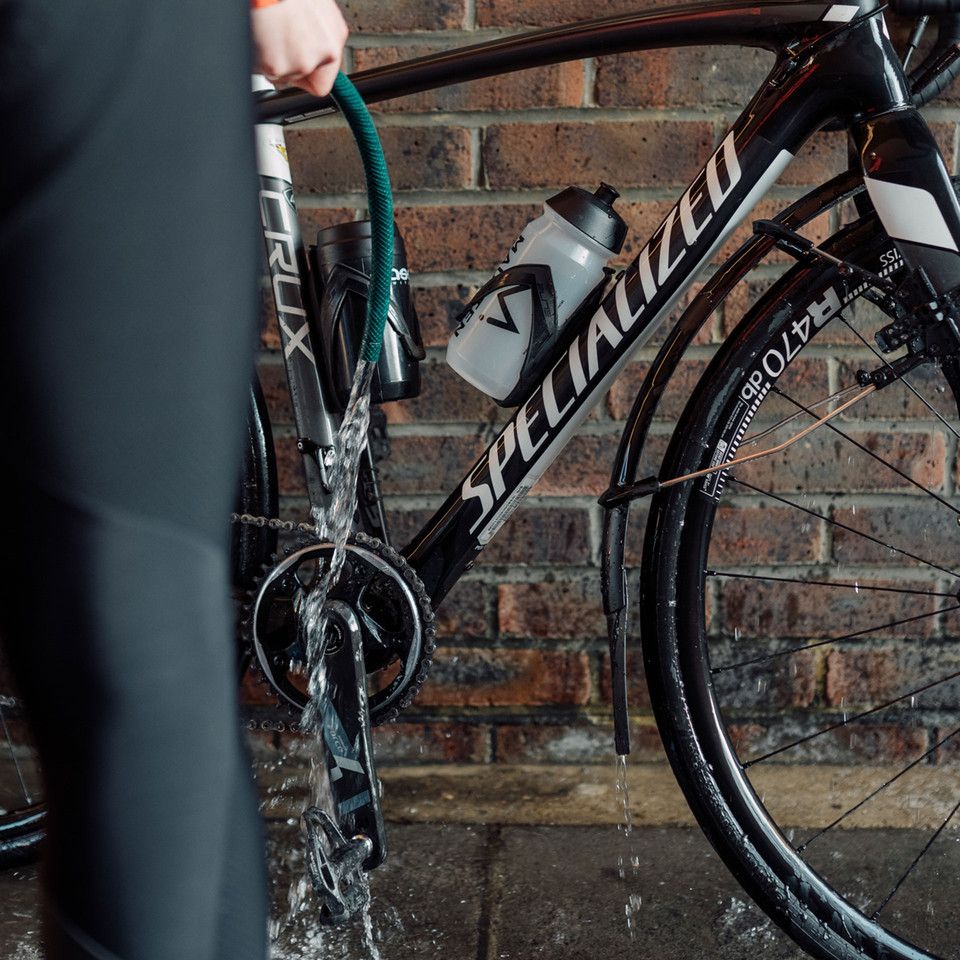
Filthy roads mean a filthy bike so to avoid unwanted wear and damage you are going to have to clean your bike more often than in the summer. Thankfully there is a wide range of cleaning products that help to make this as fast and effective a process as possible. A good set of brushes is essential as is some wet lube to keep everything running smoothly. Be sure to read our guide to cleaning your bike in less than ten minutes.
Alas, cleaning and lubing your bike will only carry you so far. Taking your bike to your local workshop for a full service is a great idea at the beginning and end of the winter period if you have done a lot of riding. Here a mechanic will be able to replace and adjust any worn or stretched gear and brake cables, whilst also re-greasing areas like your bottom bracket and headset.
Perform Post-Ride Checks After Every Winter Ride
Before putting the bike away, take a few minutes to inspect key areas. Check tyres for cuts or embedded debris, wipe down the drivetrain, and lightly apply a water-dispersant spray to exposed bolts and moving parts. These small habits dramatically improve longevity and reduce mid-winter mechanical issues, an often overlooked part of effective winter cycling tips.
Watch Out for Potholes and Hidden Hazards
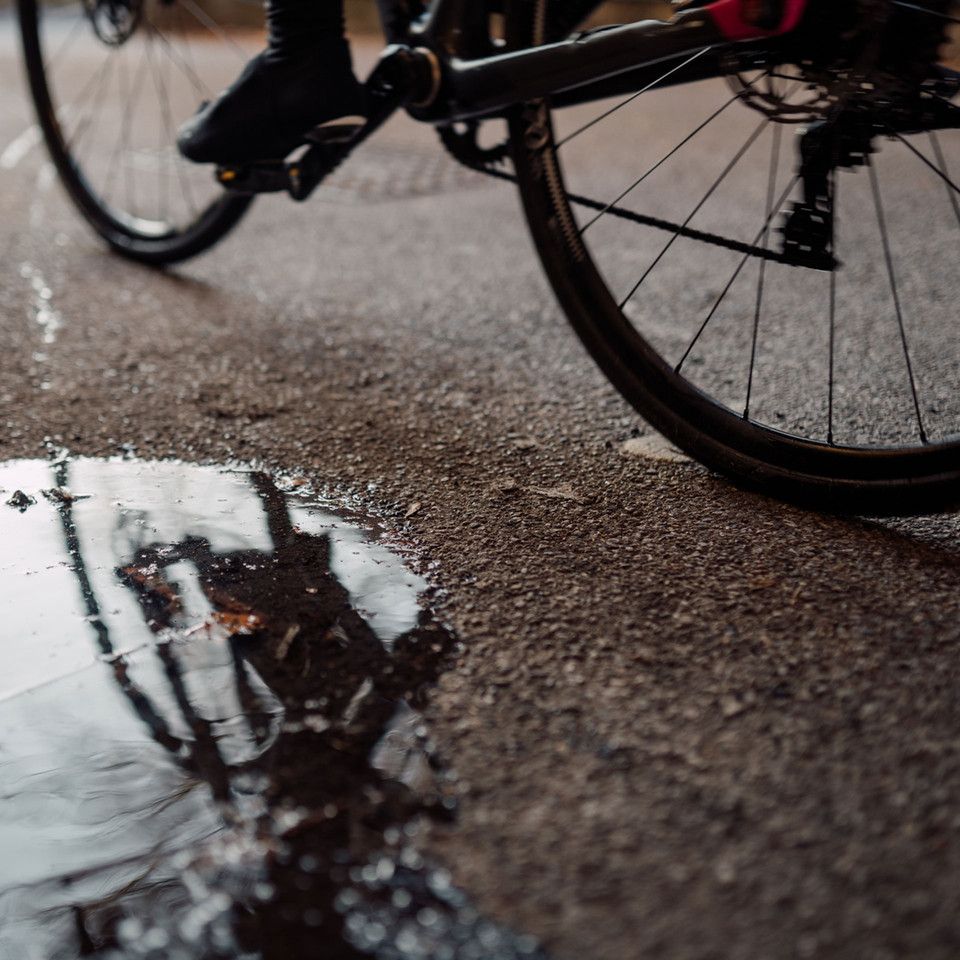
Winter weather is brutal on road surfaces. Freezing temperatures cause cracks to expand overnight, while rain disguises potholes beneath puddles. Never ride blindly through standing water. Signal clearly, communicate with fellow riders and adjust your line early. Painted road markings, drain covers and metal surfaces can become dangerously slippery in wet or icy conditions. This is key icy road cycling advice that can prevent crashes and costly damage.
Adapt Your Riding Style for Winter Roads
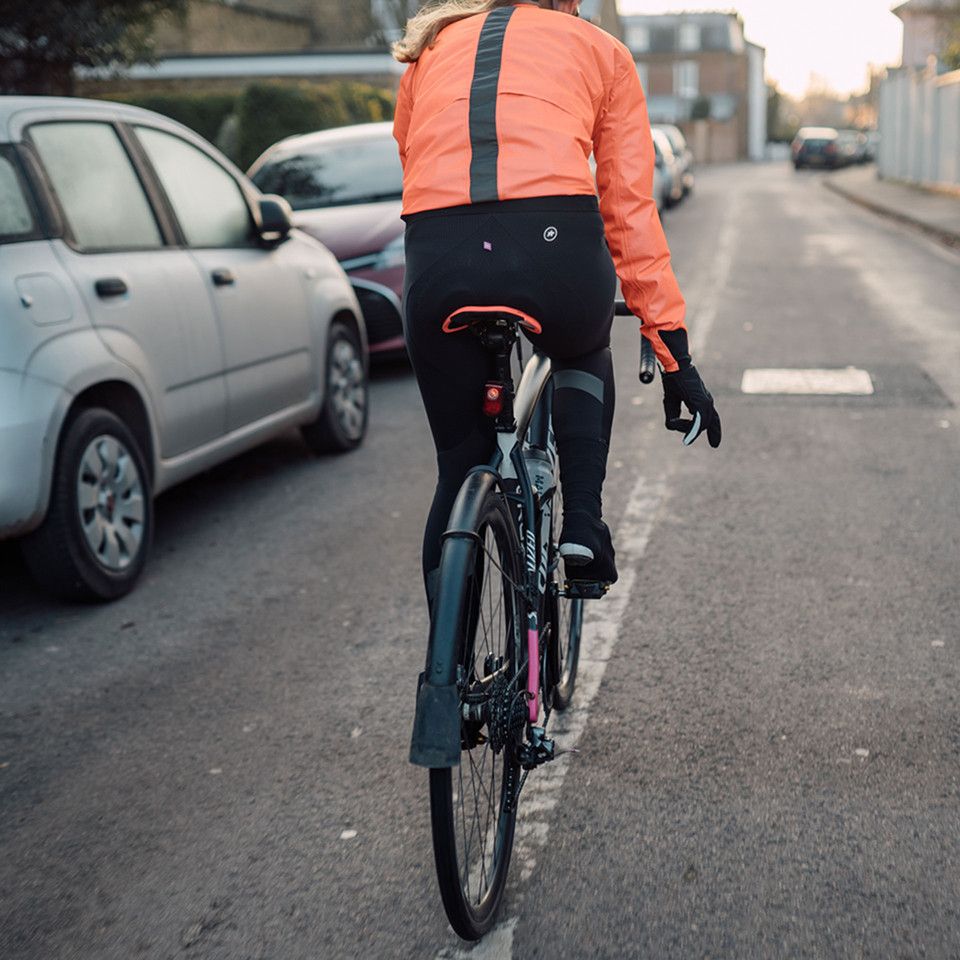
Winter riding demands smoother, more deliberate bike handling. Brake earlier, corner more cautiously and avoid sudden inputs. Cover your brakes when approaching corners, reduce speed well in advance, and aim for wider lines to maintain stability. Keep pressure on the outside pedal, look through the corner and stay relaxed. These techniques increase control and confidence on cold, unpredictable surfaces.
Group riding in winter requires extra awareness. Call out hazards clearly, avoid sudden movements and maintain safe spacing, especially on wet or icy descents. Clear communication helps protect everyone and makes winter group rides safer and more enjoyable.
Stay Consistent and Enjoy the Process
Winter miles build resilience, fitness and mental strength. With the right preparation, cold weather cycling doesn’t have to be something you endure, it can be something you enjoy. By applying these winter cycling tips, choosing appropriate kit and adjusting your riding style, there’s no reason to stop riding when temperatures fall.
Check out these winter guides to help you find the right kit:
- Winter Shoe Buying Guide
- Winter Jersey Buying Guide
- Winter Bib Tights Buying Guide
- Winter Cycling Jackets Guide
- Winter Cycling Socks
- Winter Cycling Gloves


Winter Cycling FAQs
How can I reduce wind chill when cycling in winter?
When heading out for a long ride, wearing the right clothing will keep your core warm and performance up. You'll want to keep your head warm under your lid, so check out our headwear. Beyond this a base layer is crucial as is a good jacket.
For the bottom half think about investing in items such as leg warmers, wool socks, and bib tights as well as waterproof cycling shoes to keep your feet warm and dry.
Is winter mountain biking a good alternative?
Away from the icy roads, MTB is great fun during the winter. Taking on new routes in the mud on two wheels on winter rides is the ultimate experience for some riders! With the right gloves you can avoid cold hands and grippy footwear will ensure you can remain in control even when the heavens open. You'll likely look forward to hot shower at the end of the day, but there is no reason not to hit the trails if you have the right gear.
What tyres are best for winter road cycling?
Consider changing to a wider tyre instead that will naturally feel more stable at a lower pressure. The wider tread will have a bigger contact point with the road and provide you with more stability and confidence in poor conditions. Also, depending on your weight, dropping your tyre pressure by 10% to 20% will dramatically help your traction on wet and rough roads. We have collated some of our winter bike tyres top picks and advice to make the decsion easier.