What Tyre is Right For Me?
Riding off-road on gravel brings unique challenges such as loose surfaces, reduced grip, and unpredictable terrain, which means your gravel bike tyre choice needs to be carefully considered. Picking a set of tyres, designed for the terrain, is an important upgrade you can make to your bike for better control, durability, and confidence. In this guide we will share our recommendations for the best gravel bike tyres.
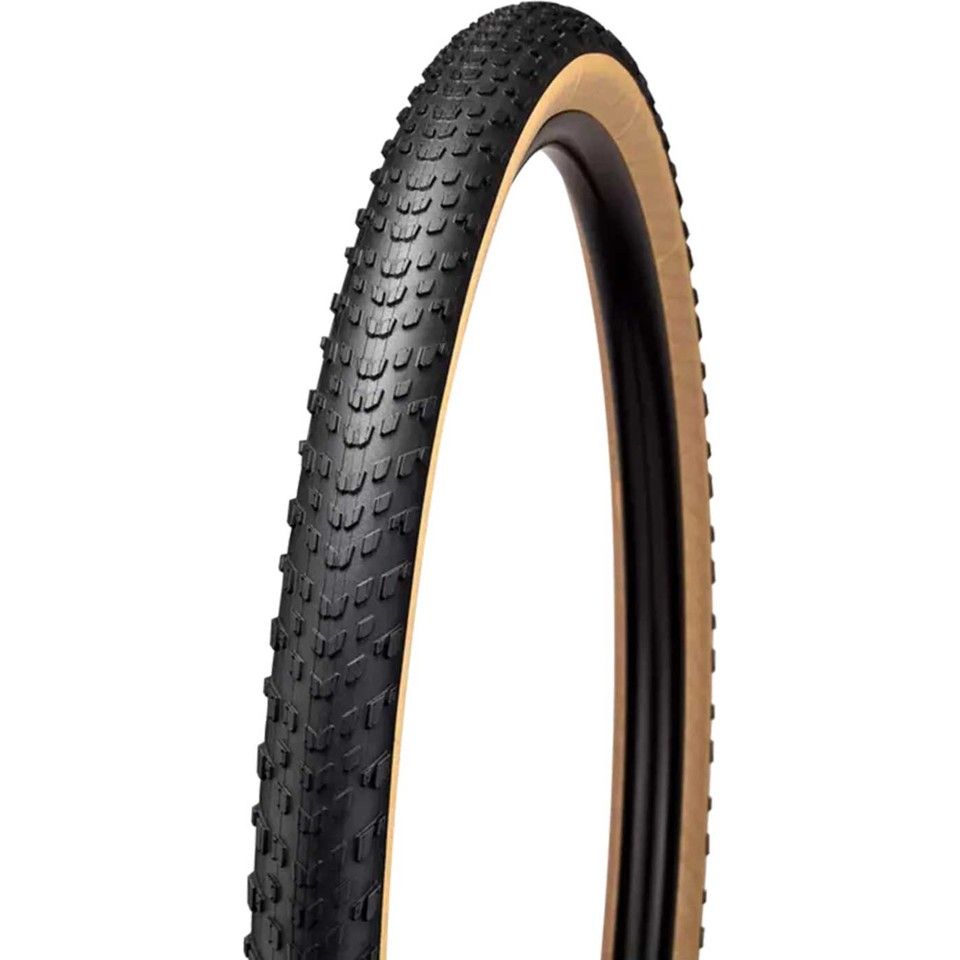
Best Budget Option: Specialized Terra TLR Gravel Tyre
The Specialized Terra TLR Gravel Tyre is engineered for total control when the gravel gets rowdy. Its compact centre tread keeps your pace high on the flats, while aggressive, widely spaced shoulder knobs bite into corners for rock-solid stability. Built with the versatile T5 compound and a reinforced TLR casing, these tyres deliver snappy acceleration and puncture-resistant peace of mind. When the trail gets tough, the Terra stays tougher.
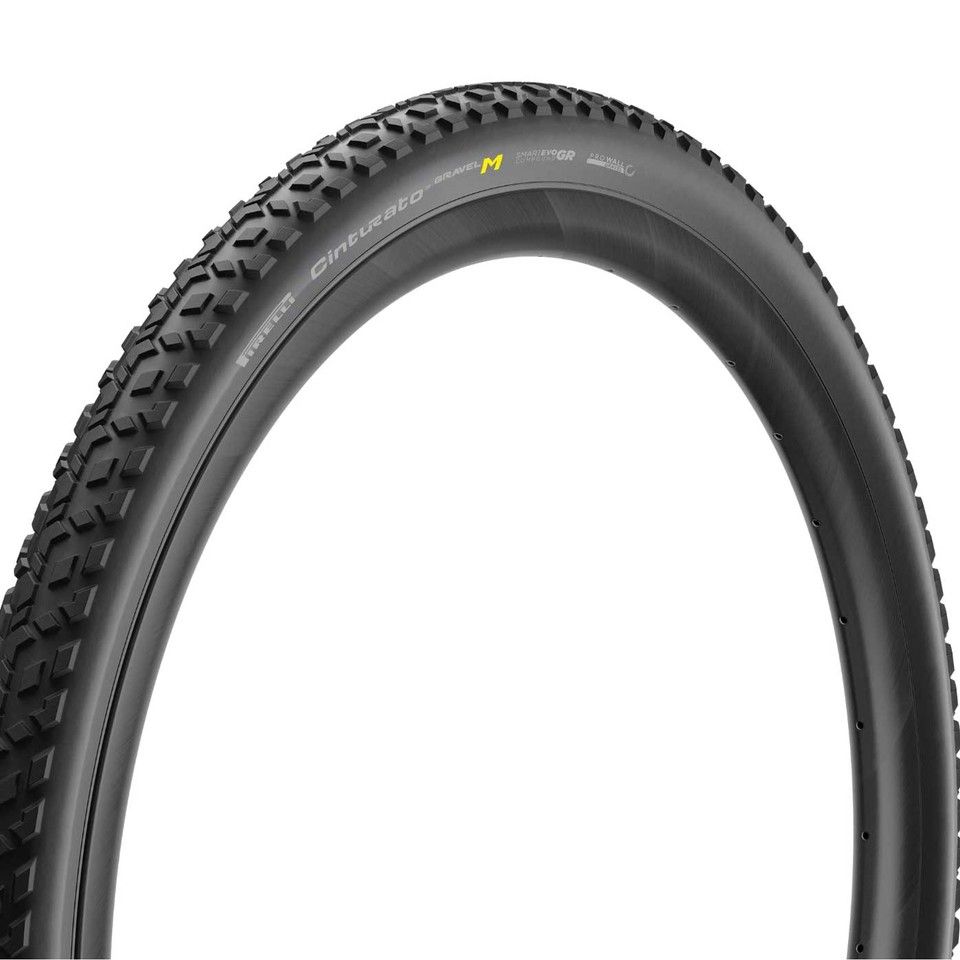
Best Premium Gravel Tyre - Pirelli Cinturato Gravel M - High Performance Tyre
The Pirelli Cinturato Gravel M - High Performance Tyre is a high-performance, Italian-made gravel tyre engineered to balance speed with rugged reliability. By utilising the off-road specific SmartEVO GR compound, it delivers exceptional grip and low rolling resistance across both wet and dry surfaces. Its construction features a mountain bike-inspired ProWALL 120tpi casing, which reinforces the sidewalls for enhanced puncture protection and stable handling on technical terrain. Fully optimised for modern wide and hookless rims, this tubeless-ready tyre is a premier choice for riders seeking a high-tier blend of efficiency and "go-anywhere" durability.
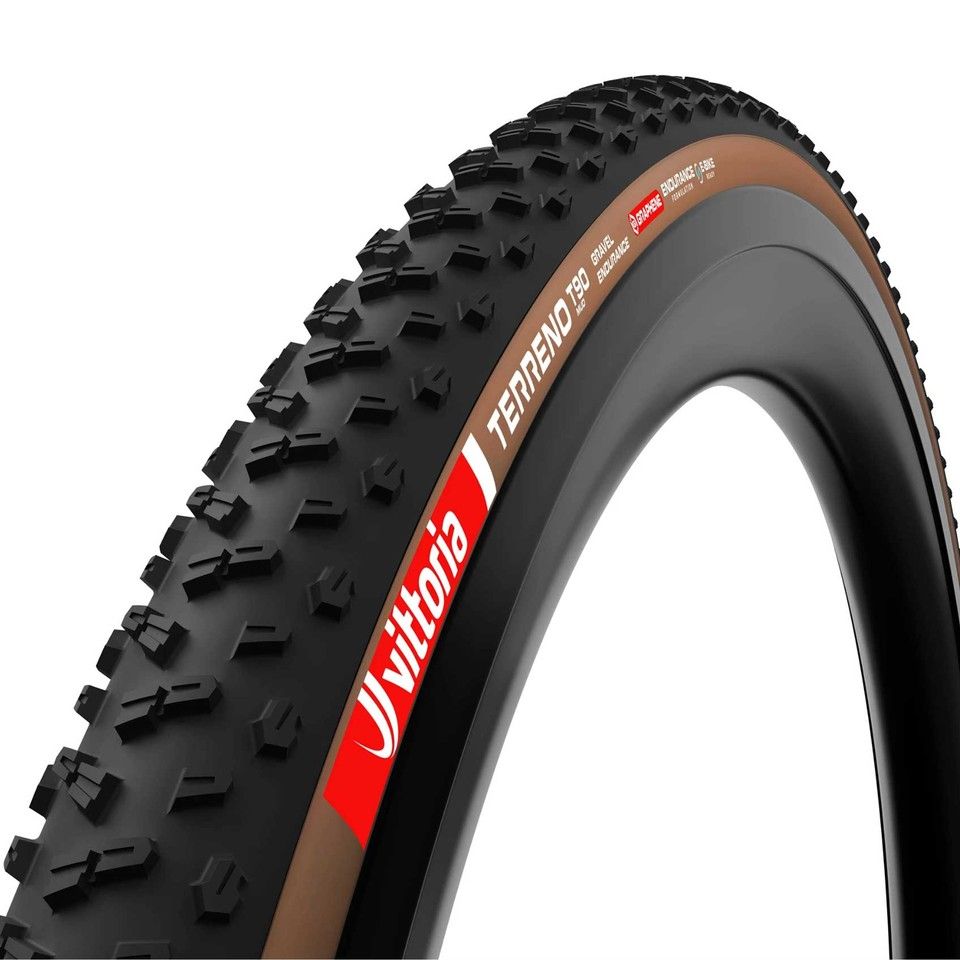
Best Mud Gravel Tyre - Vittoria Terreno T90 Gravel Tyre
The Vittoria Terreno T90 is a mud-specific gravel tyre designed for the most extreme conditions on Vittoria’s severity scale. Drawing on World Cup-proven cyclocross and MTB technology, it features a high-traction, self-cleaning tread with tall, widely spaced knobs that actively shed muck to maintain a consistent bite on slick or off-camber surfaces. The tyre is built on a rugged Endurance Casing with reinforced nylon sidewalls and a graphene-powered compound, ensuring long-lasting durability and puncture resistance against sharp debris. Ultimately, the T90 is the definitive choice for riders who need uncompromised control and reliable performance when the trail turns into a chaotic mess.
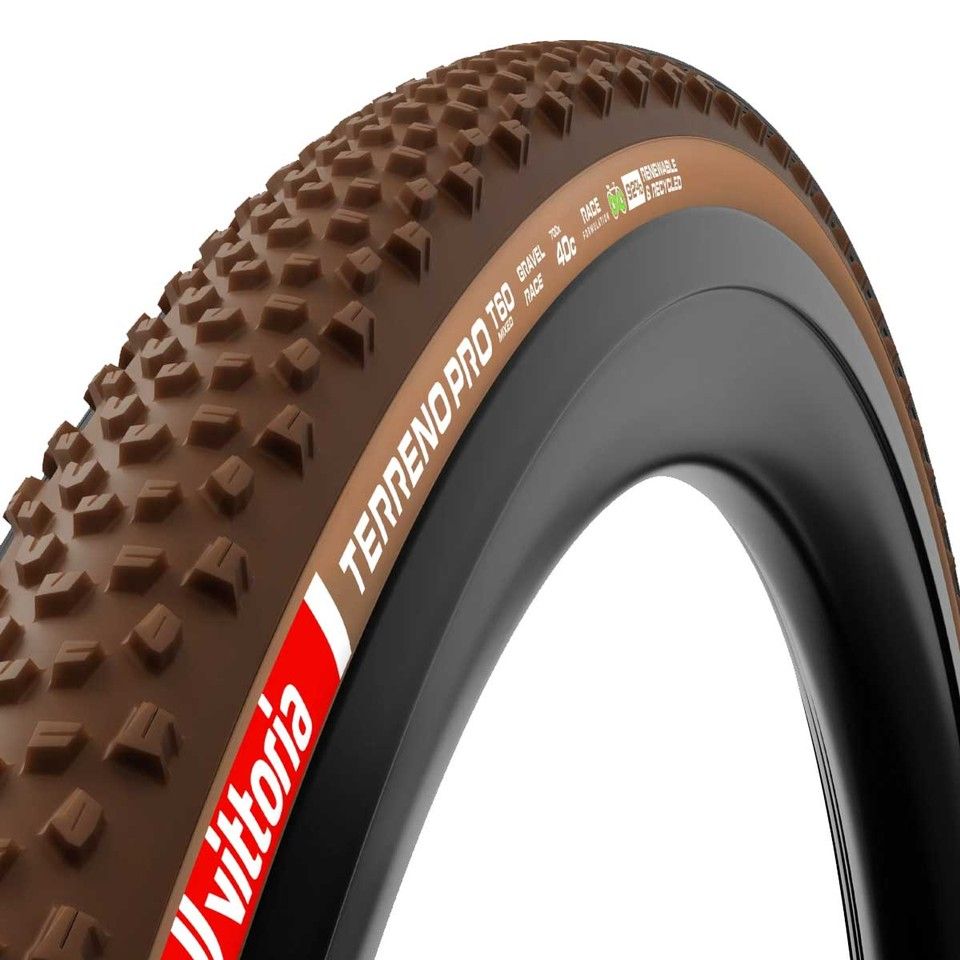
Best Dry Conditions Gravel Tyre: Vittoria Terreno Pro T60 Gravel Tyre
The Vittoria Terreno Pro T60 Gravel Tyre sets a new benchmark for eco-conscious performance, engineered with a remarkable 92% renewable and recycled material composition. Designed specifically for aggressive, mixed-terrain gravel racing, the T60 features a proven V-formation tread and strategic siping that ensures reliable grip and confident cornering across surfaces ranging from hard-pack dirt to chunky gravel. Its specialised Gravel Race construction doesn’t just prioritise sustainability; it delivers the high-speed efficiency, puncture resistance, and riding comfort necessary for the most unpredictable dry-to-loose conditions.
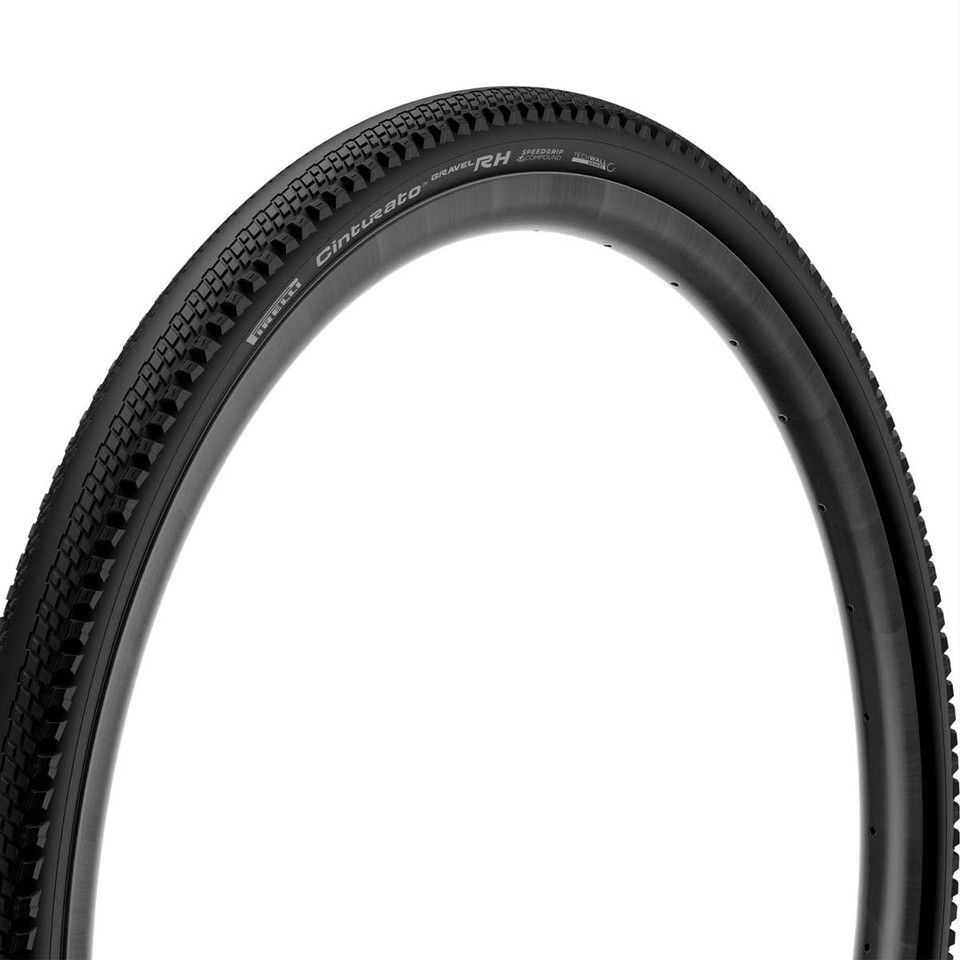
Best Puncture Resistant Gravel Tyre: Pirelli Cinturato Gravel RM - Performance Tyre
The Pirelli Cinturato RM is a high-performance gravel tyre engineered for the competitive rider who demands versatility across tarmac, technical gravel, and soft dirt. Formerly known as the RC, this tyre features off-road dedicated knobs and technologies derived from MTB XC racing, offering a precise balance of rolling efficiency and aggressive control. Built on a robust 60 TPI TechWALL Gravel casing for bead-to-bead puncture protection, it utilises the SpeedGRIP compound to ensure long-lasting durability and reliable grip in all conditions. Fully tubeless-ready and compatible with modern hookless rims, the Cinturato RM is a dependable choice for experienced racers seeking stability and speed on the most demanding mixed-terrain courses.
The Crucial Reasons to Upgrade Your Rubber
A gravel bike tyre is a type of bicycle tyre designed specifically for riding on mixed terrain such as gravel roads and dirt tracks. It sits between a traditional road bike tyre and a mountain bike tyre, offering a balance of speed, grip, comfort, and durability.
1. Improved Grip on Loose Surfaces - Gravel tyres are designed with wider profiles and specialised tread patterns that provide better traction on loose stones, dirt tracks, and mixed terrain. Upgrading your tyres helps you maintain control and confidence when riding on unpredictable surfaces.
2. Greater Comfort and Stability - Wider gravel tyres allow you to run lower tyre pressures, which helps absorb vibrations and bumps from rough terrain. This results in a smoother, more comfortable ride and improved stability on longer gravel adventures.
3. Increased Durability and Puncture Protection - Gravel routes often include sharp stones, debris, and rough ground. Many modern gravel tyres feature reinforced casings and puncture-resistant layers, helping reduce the risk of flats and making them better suited to demanding off-road conditions.
Key Features of the Best Gravel Bike Tyres
When shopping for your new gravel tyres, keep these features in mind:
| Feature | Benefits |
| Puncture Protection | Gravel riding often involves sharp stones and debris, so these tyres are usually built with reinforced casings and puncture-resistant layers to reduce the risk of flats. |
| Compound | Soft, high-silica rubber, advanced tyre compounds stay flexible in low temperatures for maximum grip and durability; tyre compounds are crucial for gravel performance. |
| Width | Gravel tyres are typically wider than standard road tyres, usually ranging from 35mm to 50mm. The extra width allows riders to run lower pressures, improving comfort and control on rough surfaces. |
| Tread | Unlike smooth road tyres, gravel tyres often feature textured or knobbly tread patterns. These provide better grip on loose surfaces like gravel, dirt, or mud while still rolling efficiently on tarmac. |
| Tubeless Ready (TLR) | Highly recommended, with a tubeless tyre the sealant inside can automatically plug small holes, adding a final layer of puncture defence. Tubeless Tyres are especially beneficial for gravel riding due to improved puncture protection and the ability to run lower pressures for better grip. |
Are Tubeless Tyres a Good Option for Gravel?
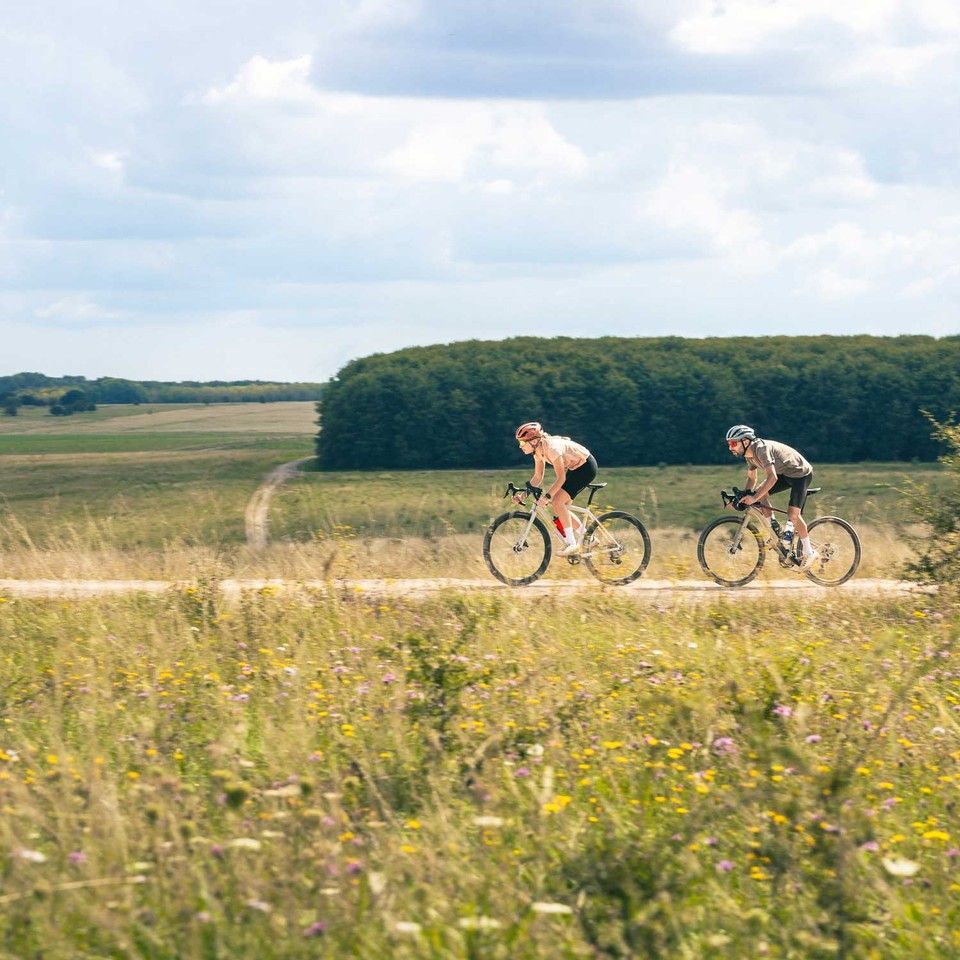
Tubeless gravel tyres are designed to be used without an inner tube, creating an airtight seal between the tyre and the rim. Instead of a tube, liquid sealant is added inside the tyre, which helps automatically seal small punctures caused by sharp stones or debris on the trail. This setup allows riders to run lower tyre pressures than traditional tube systems, improving grip, comfort, and control on loose or uneven gravel surfaces.
Tubeless gravel tyres also reduce the risk of pinch flats and can offer a smoother, more efficient ride, making them a popular choice for riders tackling long gravel routes and mixed-terrain adventures.
How many miles should gravel bike tyres last?
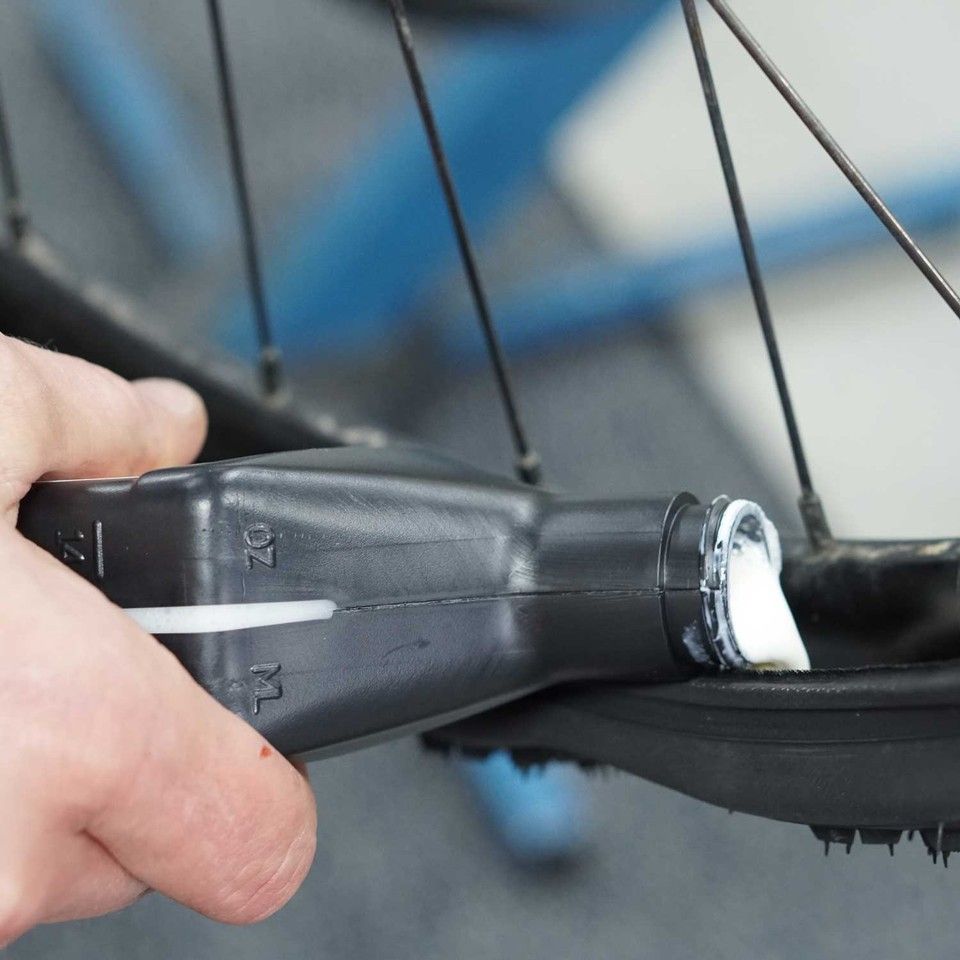
Gravel bike tyres typically last between 1,000 and 3,000 miles, although durable or fast-rolling models can reach around 3,500–4,000 miles in favourable conditions. Lifespan varies depending on factors such as terrain, riding style, tyre compound and how much time is spent on tarmac, which can wear down gravel tread more quickly. Rear tyres generally wear faster than front tyres because they handle most of the rider’s weight and pedalling force. Riders should look out for signs of wear such as a smooth centre tread, frequent punctures, or cuts in the sidewall, which indicate it’s time to replace the tyre.
What Gravel Tyre Pressure is optimal?
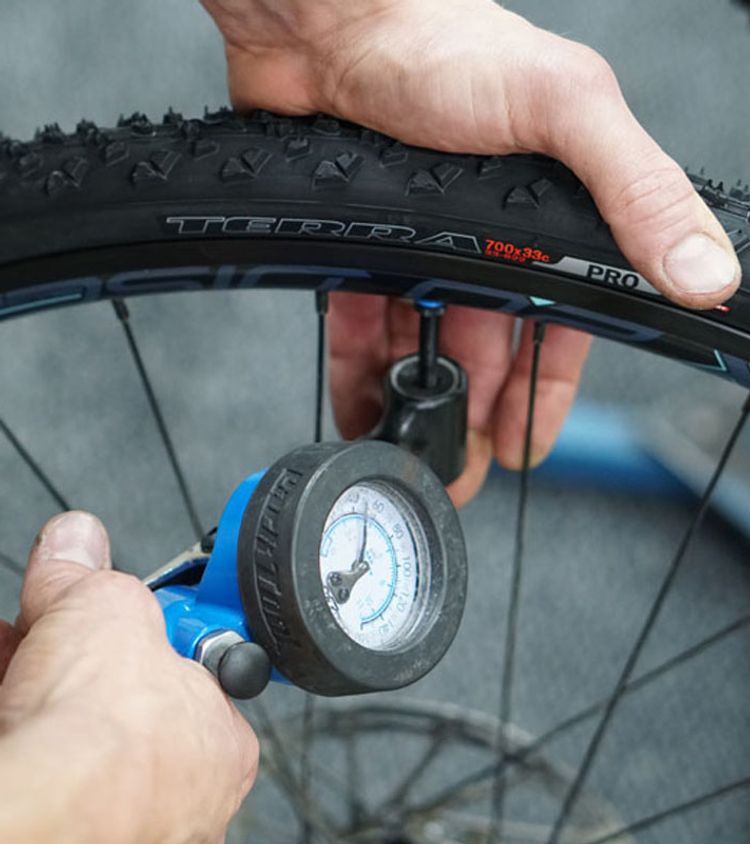
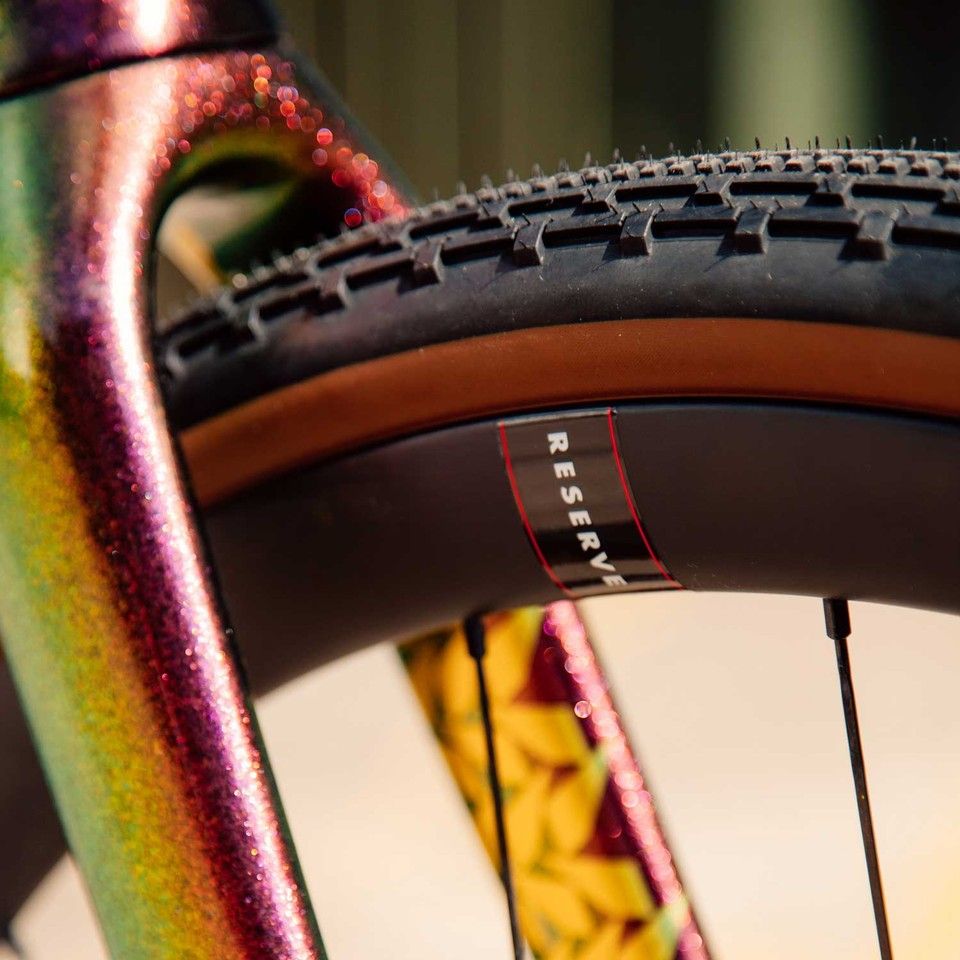
Optimal gravel tyre pressure depends on tyre width, rider weight, terrain, and whether the setup is tubeless or uses inner tubes. In general, wider tyres allow lower pressures, improving comfort, grip, and control on rough surfaces.
For most riders, typical tubeless pressures range from about 24–38 psi, with narrower tyres (38–40 mm) at the higher end and wider tyres (47–50 mm) at the lower end. Riders using inner tubes should add around 3–5 psi to reduce the risk of pinch flats.
Pressure can also be adjusted for terrain, with slightly higher for smooth gravel or road sections and slightly lower for rough, loose, or muddy conditions. Because the rear wheel supports more weight, it is common to run the rear tyre 2–3 psi higher than the front. Starting within these ranges and making small adjustments of 1–2 psi helps riders find the best balance of speed, comfort, and traction.
Don't Forget Your Wheels
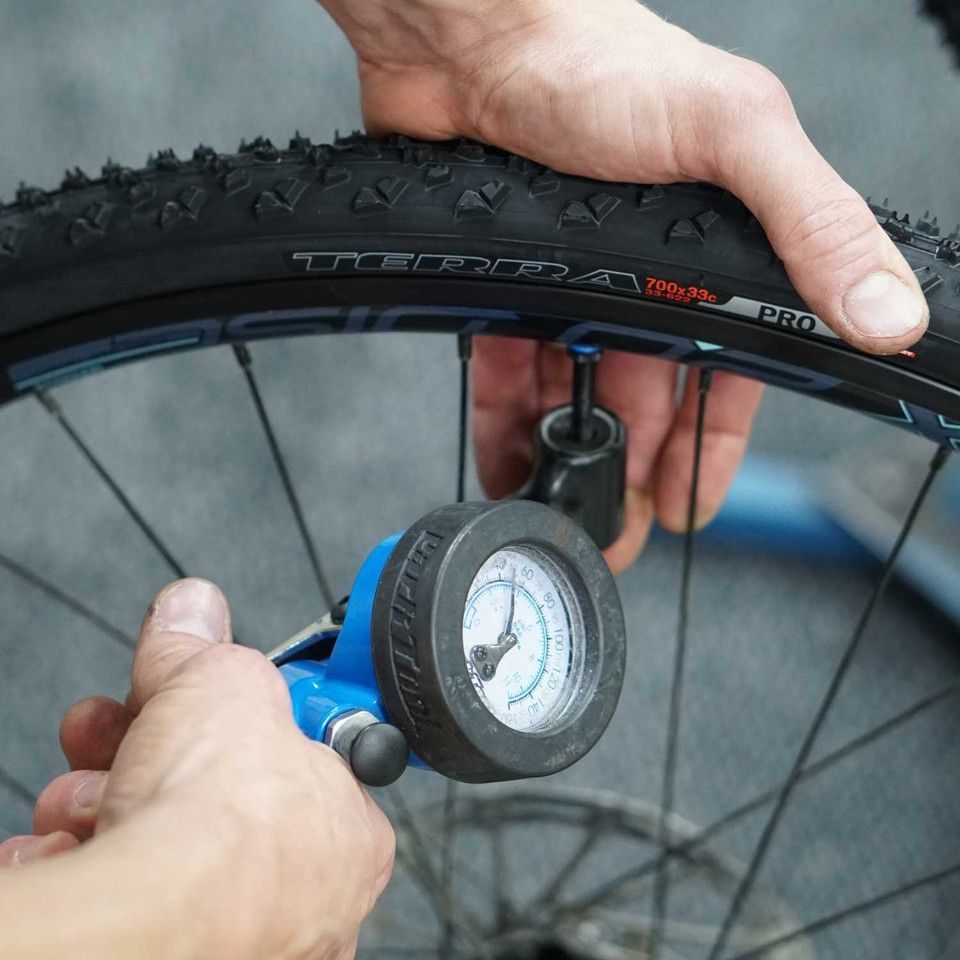
A gravel bike wheelset is designed to balance durability, comfort, and efficiency across mixed terrain, offering several advantages over standard road wheels. Typically featuring wider internal rim widths, gravel wheelsets better support larger tyres, allowing riders to run lower pressures for improved grip, stability, and comfort on rough surfaces.
They are also built to be stronger, with reinforced rims and robust spoke patterns that handle impacts from rocks, ruts, and uneven trails. Most gravel wheelsets are tubeless-ready, enabling riders to use sealant and lower tyre pressures to reduce the risk of punctures while increasing traction. At the same time, many modern gravel wheelsets remain relatively lightweight and aerodynamic, ensuring they still roll efficiently on paved sections, making them well suited for the varied conditions that gravel riding often involves.
Shop Wheels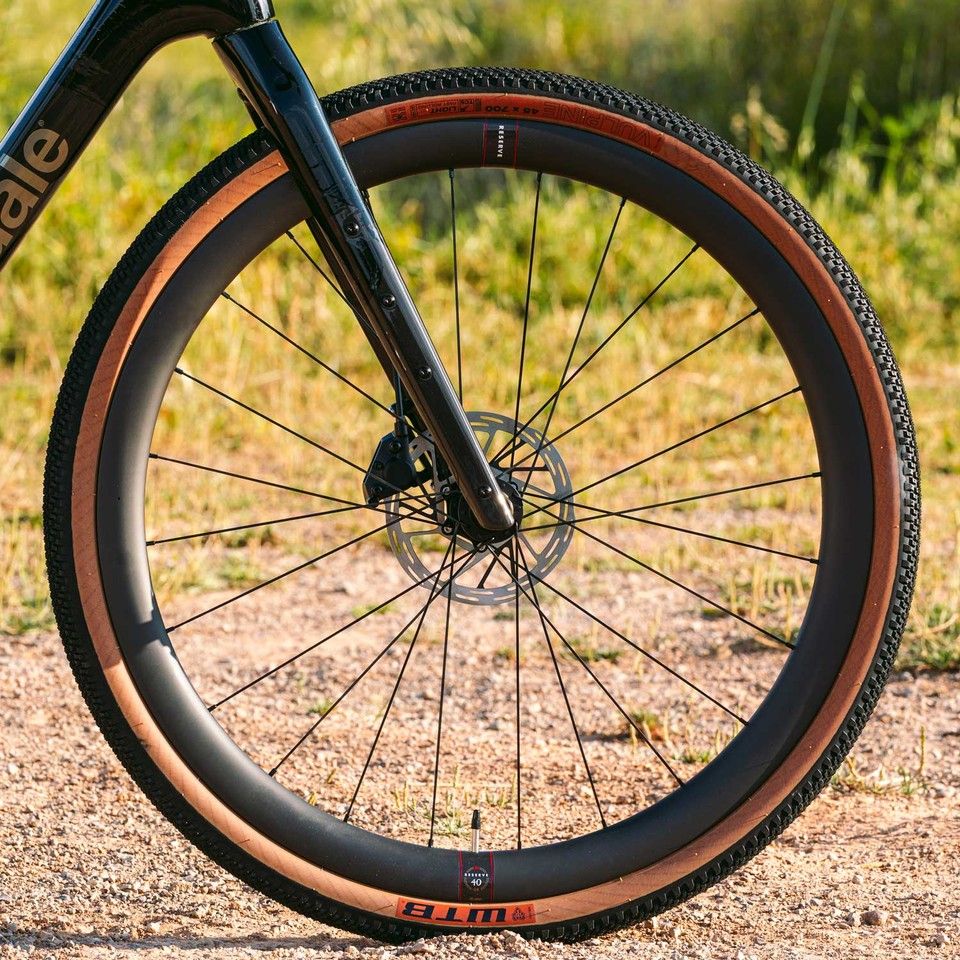
Switching gravel bike tyres is more than just a preference; it’s a key consideration for riders tackling varied terrain throughout the year. Different gravel tyres are designed for specific conditions, from fast-rolling hardpack to loose, muddy trails. Many feature specialised tread patterns that balance speed and traction, with tightly packed centre knobs for efficient rolling and more aggressive side knobs for improved cornering grip.
Wider casings also allow lower tyre pressures, increasing comfort, stability, and control on rough surfaces while reducing the risk of punctures. Choosing the right gravel tyre can therefore make a significant difference to confidence, efficiency, and overall ride performance across mixed terrain.
Shop Gravel Tyres