There is nothing better than going for a spin on your dream bike, whether that be in a virtual world on a turbo trainer or out on the open road or trail. Ensuring your bike is in perfect condition to make the most of these rides shouldn’t be an arduous task. This comprehensive guide covers all aspects of bike maintenance, with a focus on road bike maintenance, to keep your machine running smoothly. We have pulled together the most important checks and tasks you should consider when looking after your bike at home.
Having a well stocked bike maintenance kit is the first step to successful home care. The specialist tools and essentials include:
- Quality degreaser
- A range of lubricants for wet and dry conditions
- Bike tools: chain checker, allen keys or a multi-tool & torque key
- Bike Pump
These essential tools will allow you to confidently tackle most of the tasks outlined in this guide and keep your bike running smoothly.
Chain
The bike’s chain is a simple component but also one of the most important to keep well maintained. As a given, making sure it is clean and well lubricated will ensure other parts such as the cassette and derailleurs remain in good working order. A rag and chain degreaser is a quick and easy way to clean your chain yet should you want to give it a more thorough once over a chain cleaning device is a worthy investment.
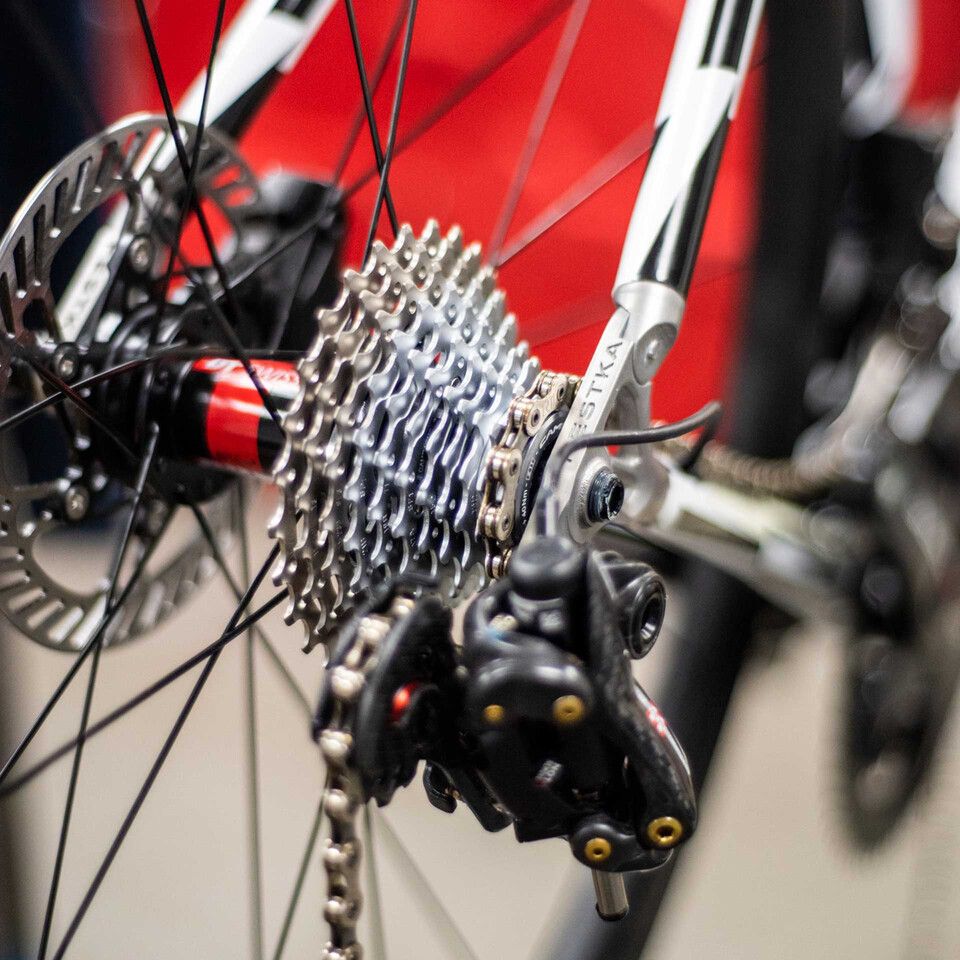
Once cleaned, it's the ideal time to check for wear. A device such as the Park Tool CC4 Chain Checker Tool, for example, can quickly establish whether your chain has reached the end of its life. An excessively worn chain can significantly shorten the life of your chainring and cassette so it is always good to change it before it gets to this point. Additionally, ensuring the pins on the chain are all in place will reduce the chance of getting an unwanted surprise the next time you are out of the saddle! When it comes to lubrication, there are many options to consider. Brands such as Muc-Off make highly effective lubricants which have been carefully formulated to work in a wide range of conditions, and are safe for the environment.
Brakes
Quite possibly the most important component when it comes to safety and one you do not want to neglect. Whether it is caliper rim brakes or disc brakes the same principles remain; your brake pads need to be in tip-top condition. With rim brakes, you can remove the wheels and look at the wear indicator found on the top of pads. This usually takes the form of a line, which when reached, marks the point at which the manufacturer suggests the pads should be replaced.
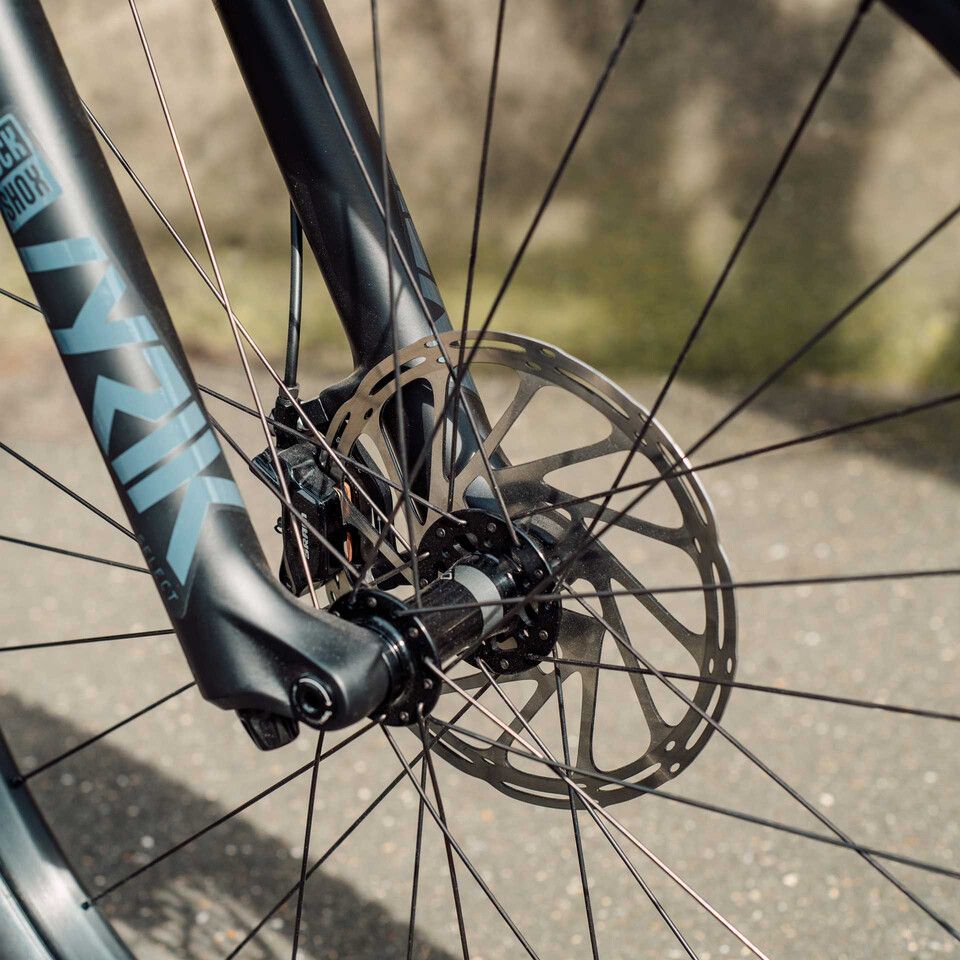
Disc brake pads often audibly tell you when they are running thin, and a screech, squeal or metal on metal sound is a clear indication of wear. You can also visually check the thickness of the pads. Should the metal of the caliper start to be exposed this another sign the pads need replacing. The final point when it comes to brakes is cabling, and making sure the cables are in the best condition possible at all times. Frayed ends, damaged casings and slack cables are all signs the brakes may need to be adjusted or replaced.
Gears
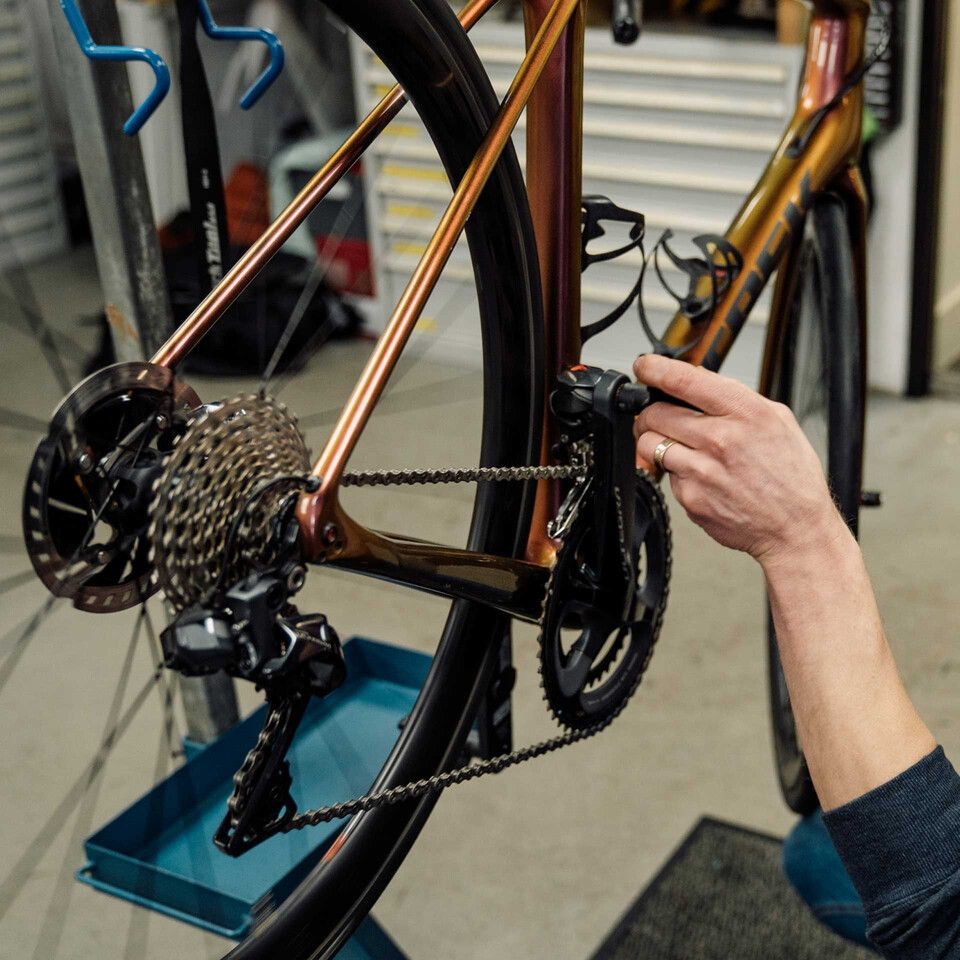
We have all been there. You have just picked up your brand new bike and it is shifting through the gears like a dream. Six weeks of riding down the line and things are not quite as smooth. Cables unsurprisingly stretch with use and as such gears can become misaligned. This shouldn’t be cause for too much concern though. In most cases indexing your gears can be done using the barrel adjuster on the rear derailleur but should the gear cables need pulling through a set of allen keys or a multi-tool will allow you to adjust this and ensure the chain shifts between the chainrings and the cogs on the cassette with ease.
Wheels
Spinning along nicely is in no small part down to your wheels. There are a number of elements that make up a wheel, all of which need to work in harmony. At the core is the hub, and with the majority of modern hubs now using a sealed design, dirt and water should not be able to get into the internals. Should you experience clicking or other untoward sounds though we would recommend letting a professional mechanic take a look. When it comes to rims, you need to keep a close check on brake track wear, should it be a rim brake wheel. Grooves or indents in this track are signs the rim needs replacing.
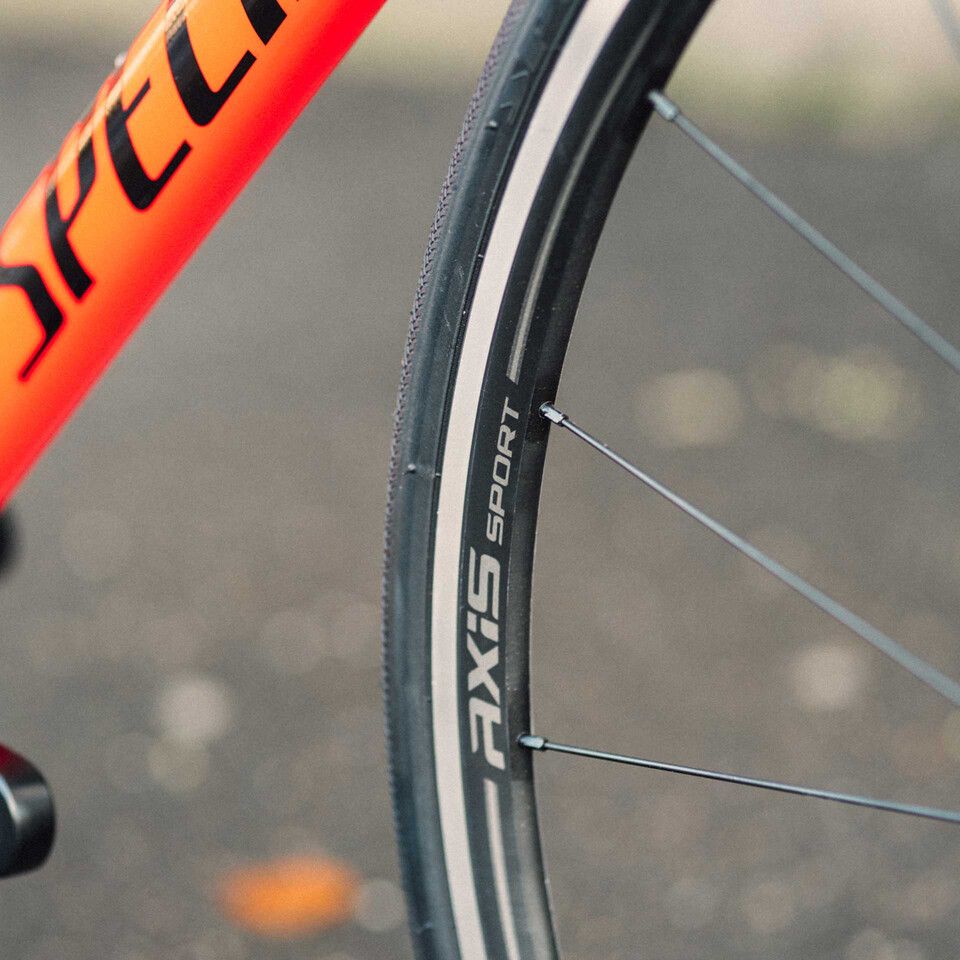
Hitting a pothole or transporting your bike can occasionally cause the wheel to become misaligned. In most cases, this would require the spokes to be adjusted. There is a bit of an art to this and as well as having a spoke key and wheel truing stand, experience in wheel building is also recommended. A slightly buckled wheel is rideable but any more than a bit of sideways or lateral movement should be taken as a sign to seek professional help.
Tyres
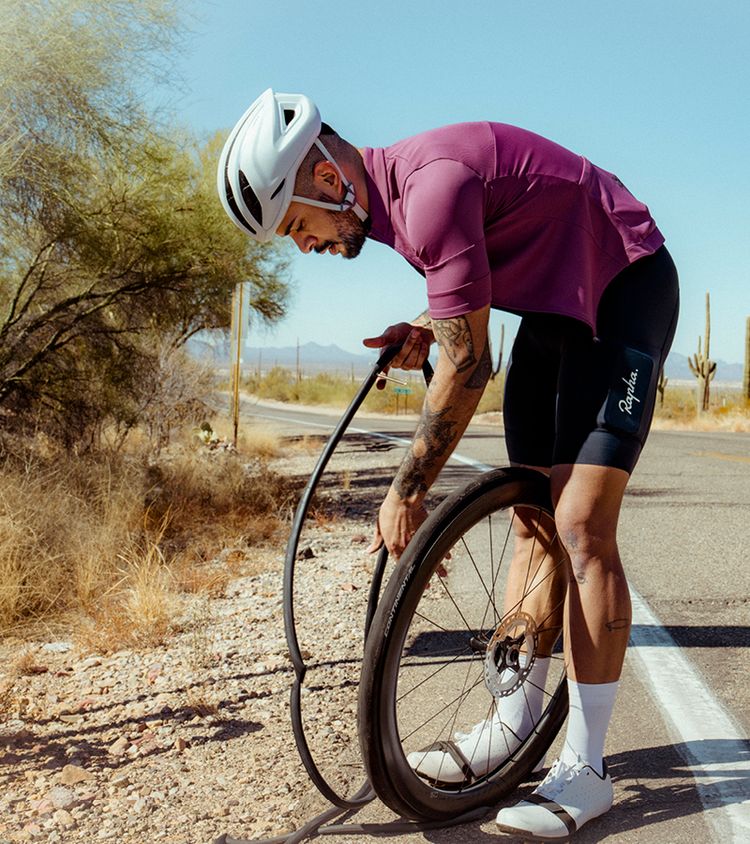
The key touchpoint between you and terra firma, the condition of your bike tyres can influence puncture resistance, comfort, performance and most importantly, safety. As a simple pre-ride check, look around the top and sidewalls on your tyre for cuts and debris which may have become lodged in the rubber. Removing flints, glass and stones, even if you haven’t punctured, can stop the offending piece of debris from working its way through the tyre’s carcass. A lot of tyres also have visible tread patterns on them, should this wear off, you should be looking to replace your tyres to reduce the chance of a puncture.
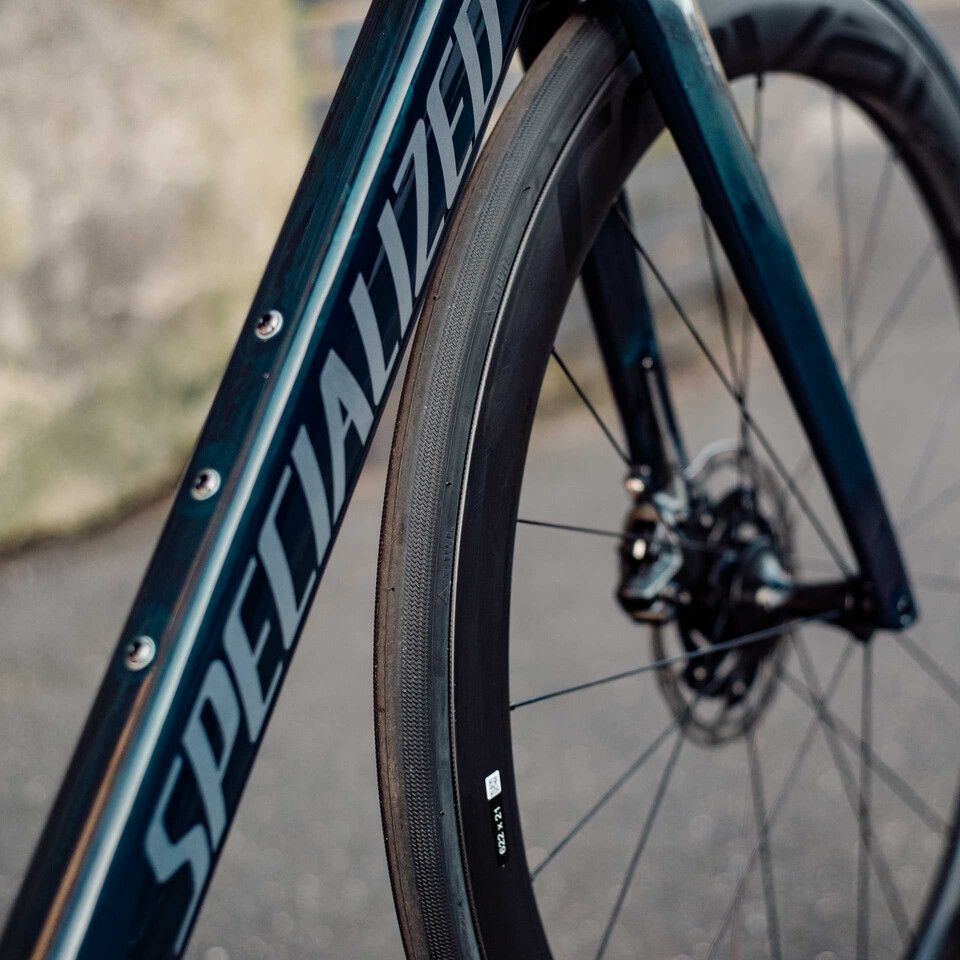
Rear tyres can also succumb to squaring off, due to either being used on a turbo trainer or just from extensive use. Again, should this be the case, replacing the tyre is a good option. Finally, regularly checking tyre pressure can completely change how the tyre performs. The manufacturer usually states on the side of the tyre the recommended pressure. Work on the basis that in wet conditions you will need to run the pressure to the lower end of their recommendation.
Bolts and screws
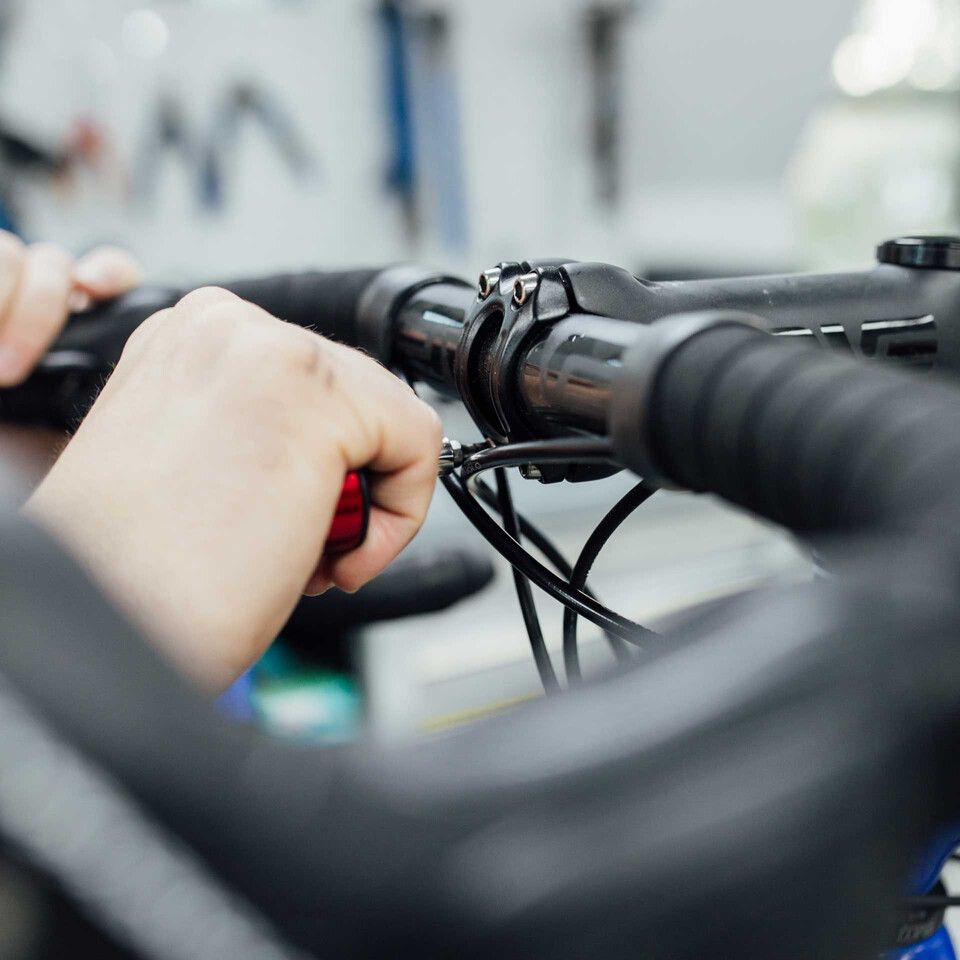
Bolts, whether attaching the handlebar to the stem or holding the seatpost firmly in place in the frame, are put through a lot of stress every time you ride. Ensuring they are tightened to the recommended tolerance and not showing signs of damage are important safety considerations. Investing in a torque key is a vital part of any road bike maintenance routine, as it will eliminate the chances of over or under-tightening the bolts. Should the head of the bolt or screw become rounded, most DIY stores will have equivalent replacements.
A final point worth considering is if you are using the bike on a turbo trainer, the chances of sweat building up on the stem bolts and faceplate are incredibly high, and regular inspection of these bolts for corrosion is advised.
Cleats and Pedals
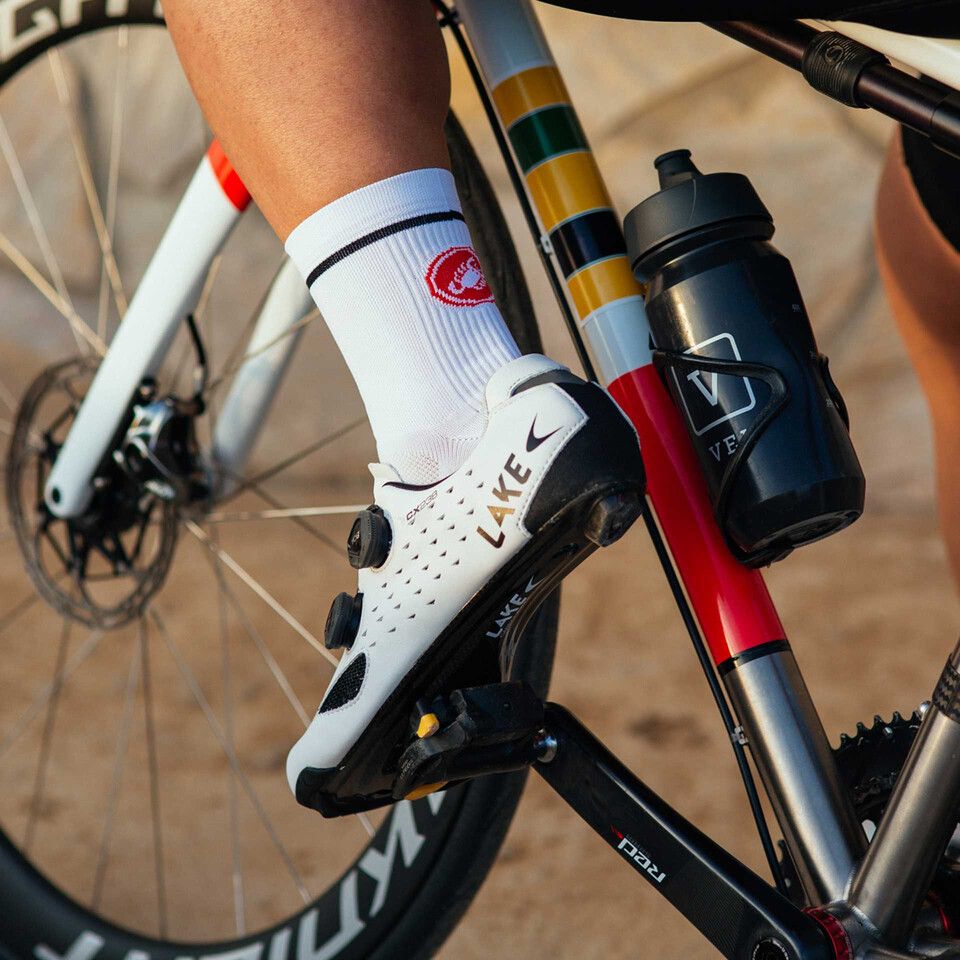
Generally sturdy and low maintenance, when inspecting your pedals, in the case of road Shimano SPD-SL and Look variants, careful consideration should be given to the state of the plate that sits on the pedal body. Should this be damaged or show signs of wear, unfortunately, this would mean a new pedal is required. Aside from the pedal itself, keeping your cleats in good order will ensure a solid attachment between foot and pedal. Most cleats have wear indicators but also look for cracks in the plastic and damaged or missing bolts.
Handlebar and Saddle
When you think how many miles and hours you spend sitting on the saddle and holding onto the handlebar, it is no wonder occasionally components show signs of wear.
Making sure your bar tape is intact will:
1. Keep your hands comfortable on the bars
2. Provide the grip you need.
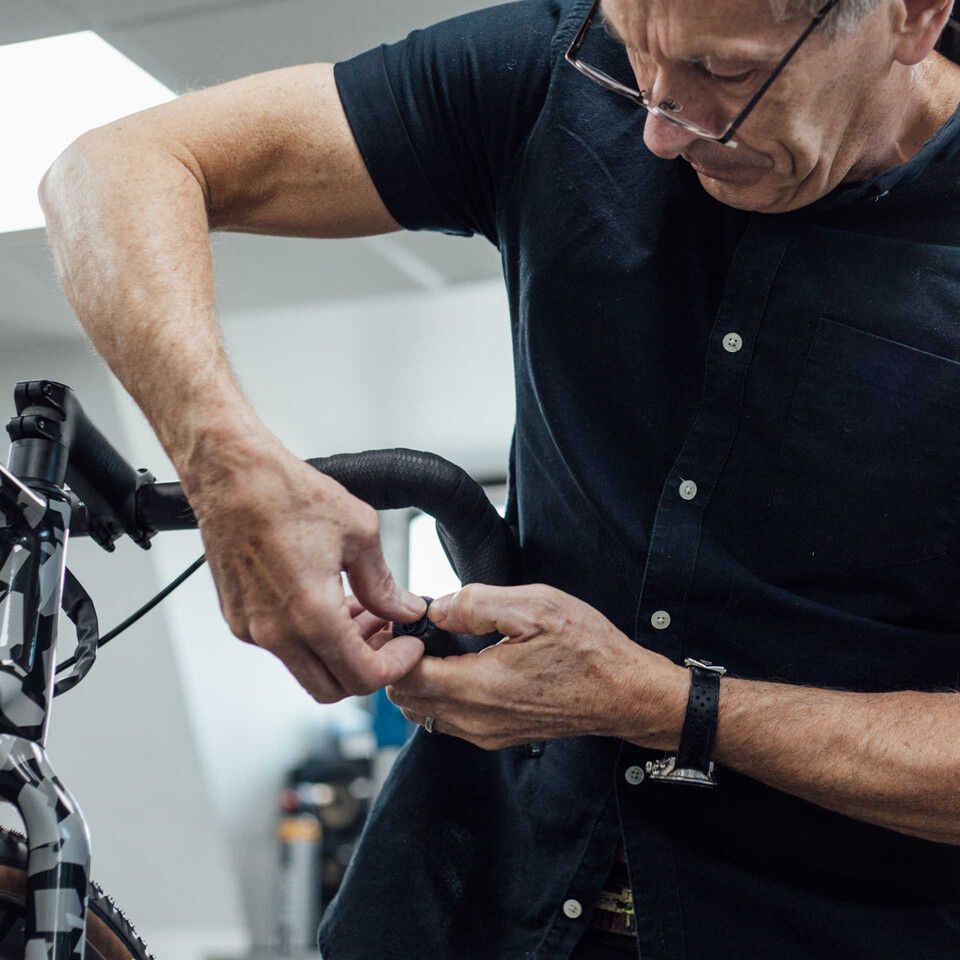
Replacing your bar tape is an easy task and there are many tutorials online or cycling guides such as ours showing you how to do so. As well as bar tape, the bar end plugs should be firmly in place on your bars. Ultimately, these are a safety measure, so should you crash you do not impale yourself with the metal or carbon end of the handlebar. The condition of your saddle should also be considered. Inspect for wear on the cover, the underside of the saddle and the rails, ensuring no cracks are visible.
4 Things to Check on Your Bike Going into Winter
As the seasons change, so do the demands on your bike. Winter riding brings wet, gritty roads and shorter days. Here are four key checks to prepare your bike for the colder months:
Tyres and Pressure: Consider switching to more robust, puncture resistant winter or all-season tyres. Check your current tyres for any embedded debris or significant wear. In wet and greasy conditions, lowering your tyre pressure by 5-10 PSI (while staying within the manufacturer's recommended range) can significantly improve grip and confidence.
Drivetrain Deep Clean and Lube: Road grime, salt, and water are the enemies of your drivetrain. Give your chain, cassette, and derailleurs a thorough degreasing and cleaning. Once dry, apply a "wet" lubricant. Wet lubes are more viscous and resistant to being washed off by rain and puddles, offering better protection through winter.
Brake Check: Wet conditions reduce braking efficiency and accelerate brake pad wear. For both rim and disc brakes, inspect the pad thickness carefully and replace them if they are close to the wear indicators. Clean your rims or rotors to remove any grime build-up that could affect performance.
Lights and Reflectivity: With shorter daylight hours, visibility is paramount. Check that your front and rear lights are working correctly, charge the batteries fully, and ensure the lenses are clean. Check your frame, wheels, and clothing for reflective elements to make you more visible to other road users.
Mountain Bike Maintenance
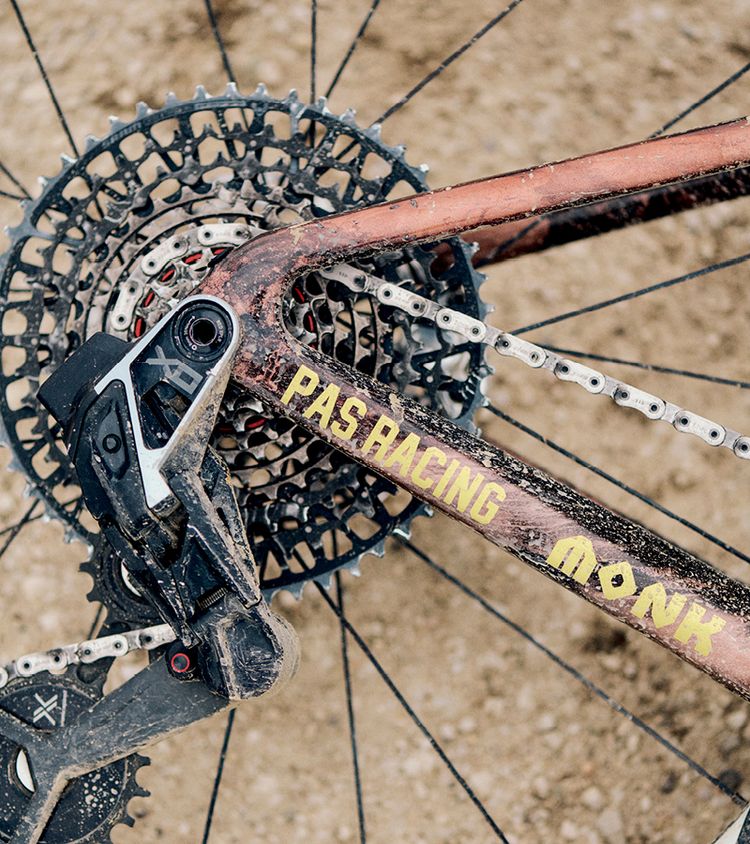
While the core principles of bike maintenance are universal, mountain bikes have unique demands due to the harsh environments they are used in. Mountain biking introduces a higher level of dirt and grime, which can accelerate component wear. A rigorous bike clean is non-negotiable, especially for the drivetrain. Use a degreaser and brushes to remove mud and grit from the chain, cassette, and derailleur to prevent premature wear, particularly in sandy conditions where grit acts like sandpaper. After cleaning, check your chain for stretch; a worn chain will quickly damage more expensive cassettes and chainrings, often indicated by "shark finning" on the gear teeth.
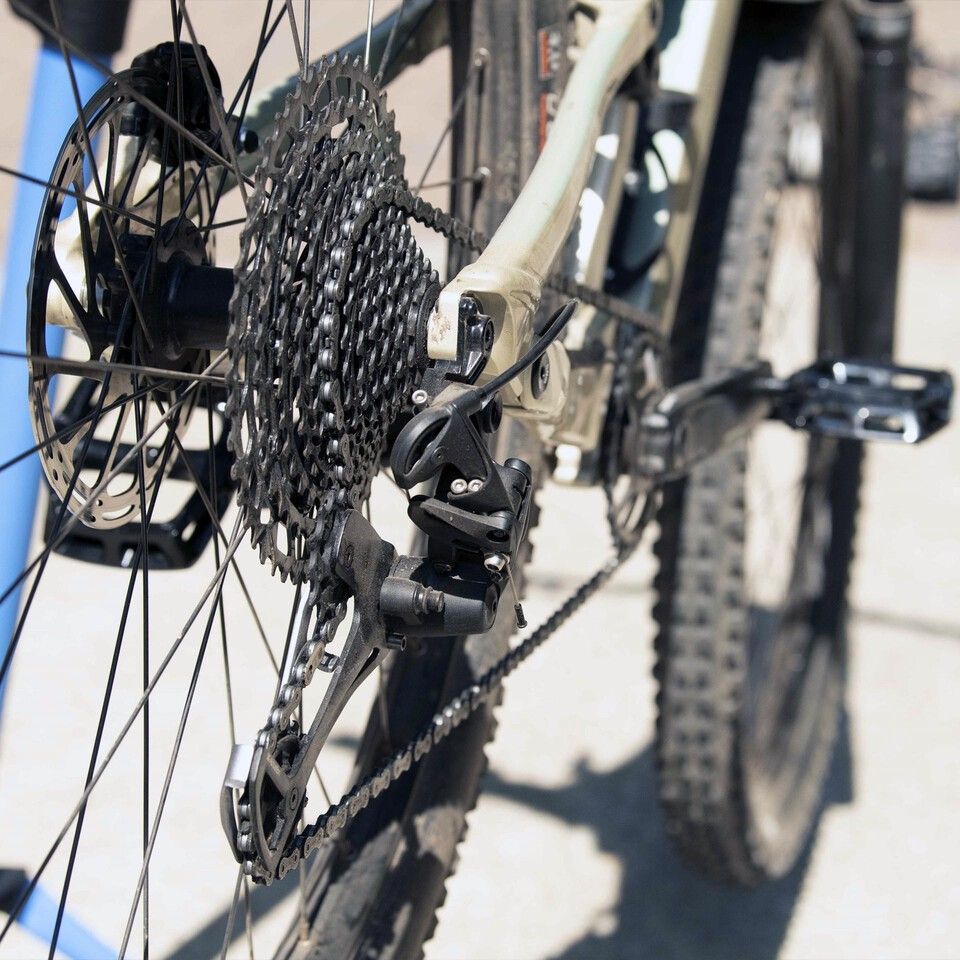
Full-suspension MTBs have additional maintenance needs. Regularly check suspension linkage bolts and thru-axles with a torque wrench, as trail vibrations can cause them to loosen. Listen for creaks or feel for roughness, which could indicate worn bearings in hubs, the bottom bracket, or frame pivots. Suspension itself requires regular servicing to remain plush and responsive; if your fork or shock feels dry or loses pressure, it's time for a service. Finally, the demanding nature of MTB trails means hydraulic disc brake pads wear faster and tubeless sealant needs checking and topping up every few months to remain effective.
Cleaning your bike
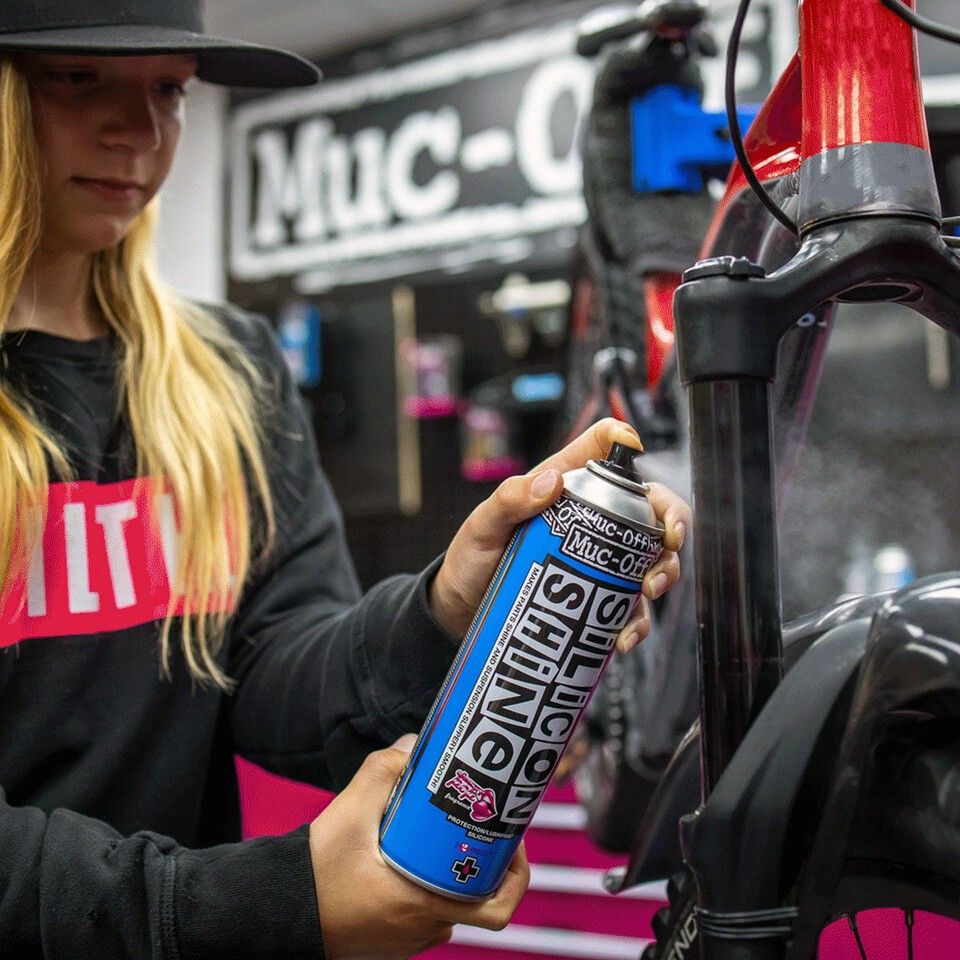
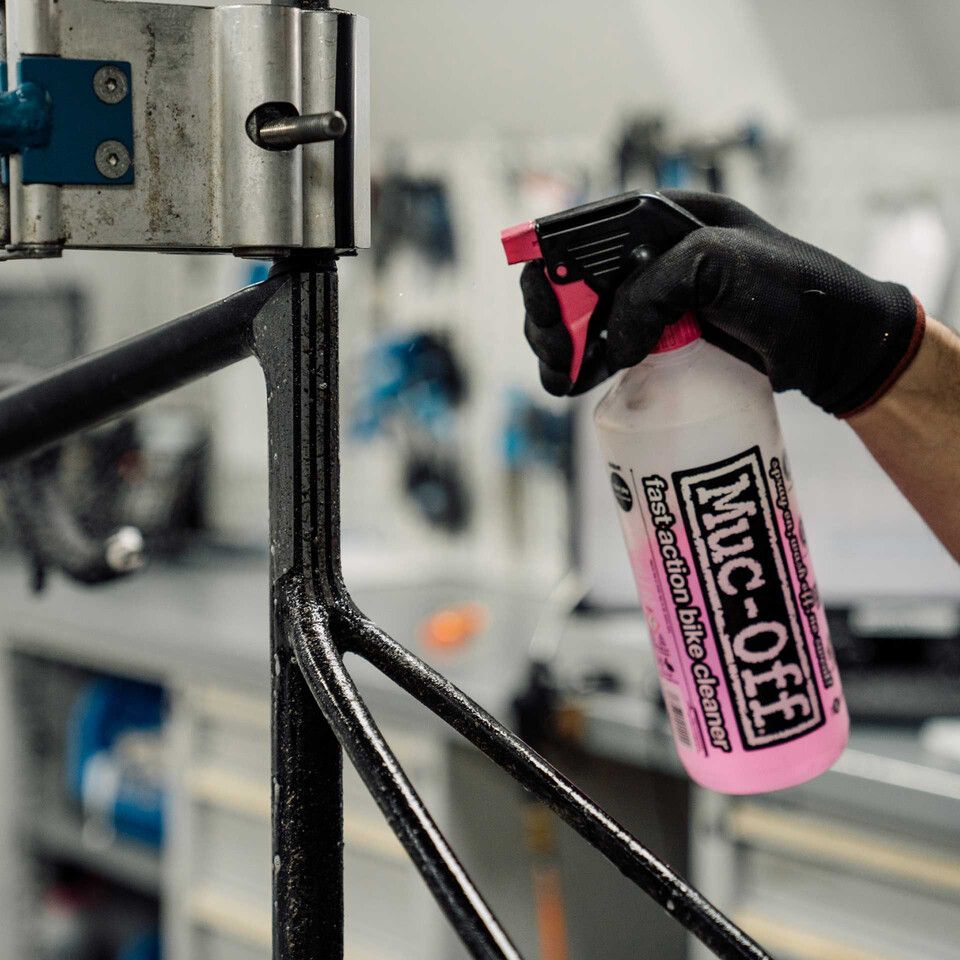
Spotting wear and potential issues before they get worse is important when it comes to safety and keep your bike running smoothly. Cleaning the bike is not just for aesthetics; it also allows you to run your eyes over the frame, wheels and other components, making it a crucial first step in any maintenance check. What you find during a deep clean determines the degree as to which repairs or maintenance will need to be carried out. You may be able to resolve common issues and reduce the cost of a bigger problem occuring.This task does not need to take hours, simply read our guide to cleaning your bike in 10 minutes.
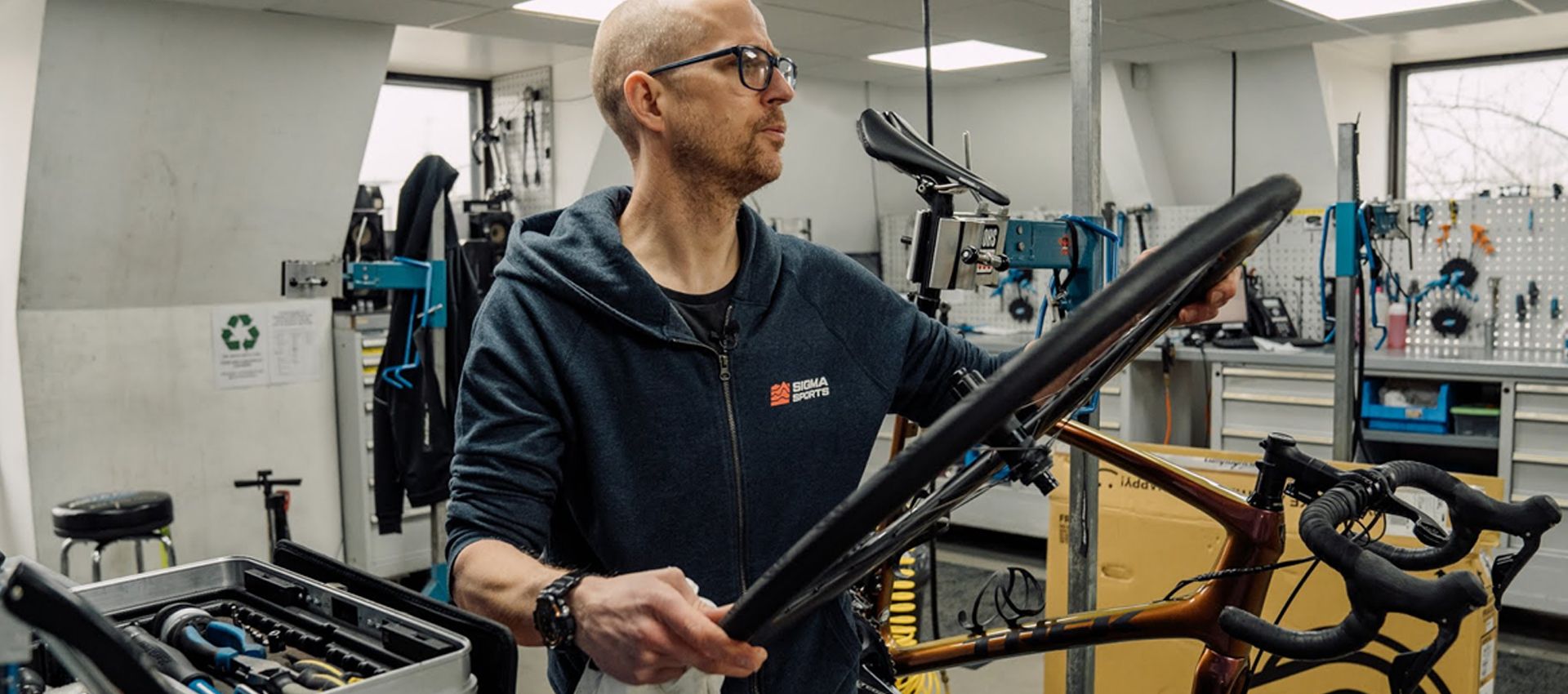
Making sure you keep on top of maintaining your bike shouldn't be an ordeal and if there are any issues that require professional assistance we would recommend booking your bike in with our workshop team.