Base Layer Buying Guide
When winter riding becomes part of your routine, a high‑quality base layer is no longer optional – it’s essential. The right cycling base layer for winter can be the difference between an enjoyable, consistent training ride and cutting things short due to cold, sweat build‑up or discomfort. Including winter cycling base layers as a key part of your cycling wardrobe ensures you have the versatility and performance needed for a range of winter conditions.
Why Winter Cycling Base Layers Matter
A base layer’s job is simple in theory, but critical in practice: manage moisture and regulate temperature. In winter, this becomes more challenging because conditions are often cold, damp, windy – and variable.
Unlike summer base layers when airflow helps cool you, winter riding demands insulation without overheating. A good winter base layer:
- Wicks sweat away from the skin to keep you dry and comfortable
- Traps air to help keep your core warm and maintain stable body temperature
- Works with your other layers for optimal insulation and moisture management, not against them
- Reduces the risk of chills on descents or café stops
This is why cyclists searching for the best cycling base layers should always start with intended conditions and riding intensity, rather than just thickness alone. At Sigma Sports, we stock thermal base layers, windproof base layers and long sleeve base layers ideal for the colder months.
Recommended Winter Cycling Base Layers
While this guide focuses on how to choose, these standout options illustrate what makes a great winter base layer. Each of these reflects different priorities, from maximum warmth to breathability and versatility, ensuring you stay comfortable and protected from the winter chill.
Best Long Sleeve Base Layer - ASSOS Winter Long Sleeve Base Layer P1
The Assos Winter Long Sleeve Base Layer P1 is our pick for the best long sleeve cycling base layer thanks to its excellent balance of warmth, breathability and next-to-skin comfort. A tightly woven front provides extra protection from cold winds, while the more open weave across the back improves ventilation during harder efforts. Its ultra-soft, second-skin construction efficiently wicks sweat to help keep you warm and dry, with a seamless design reducing friction for all-day comfort. Carbon-infused fibres also provide lasting odour control, making it an outstanding foundation for winter layering.

Assos
Winter Long Sleeve Base Layer P1
Best Short Sleeve Base Layer - ASSOS Spring Fall Short Sleeve Base Layer P1
The Assos Spring Fall Short Sleeve Base Layer P1 is our pick for the best short sleeve autumn and winter cycling base layer thanks to its excellent balance of insulation, breathability and moisture management. A tightly woven front helps retain warmth and protect your core on cooler rides, while the open-weave back and underarms rapidly release excess heat during harder efforts. Its ultra-soft, second-skin fit efficiently wicks sweat, with seamless construction minimising irritation and carbon-infused fibres providing lasting odour control. Versatile enough for changing conditions, it’s an ideal foundation for layering throughout spring, autumn and milder winter rides.

Assos
Spring Fall Short Sleeve Base Layer P1
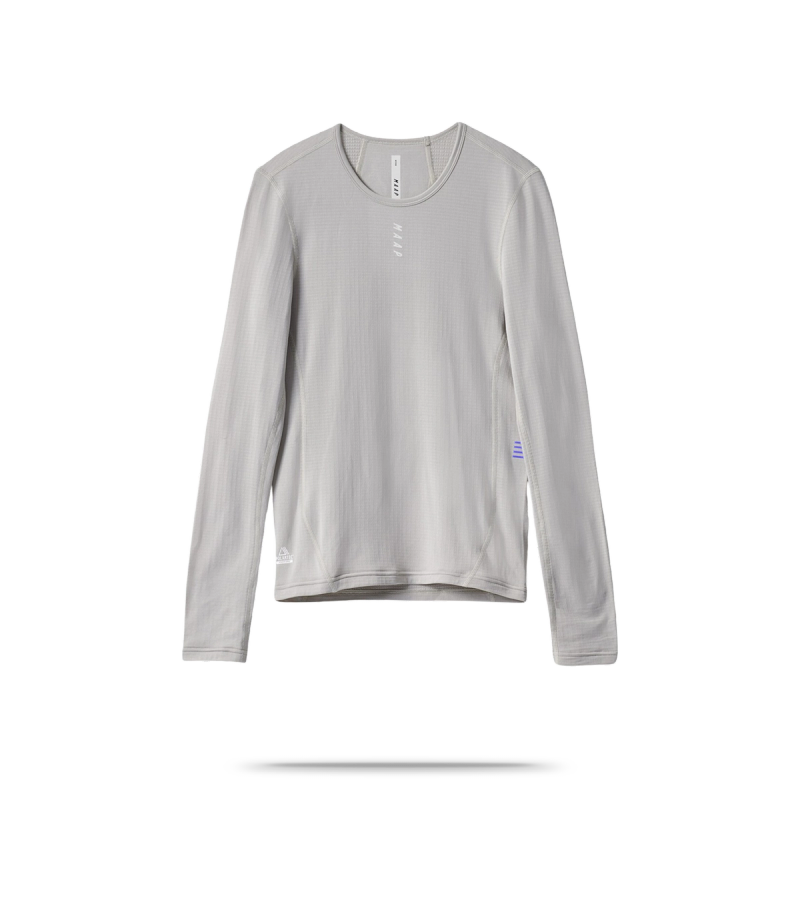
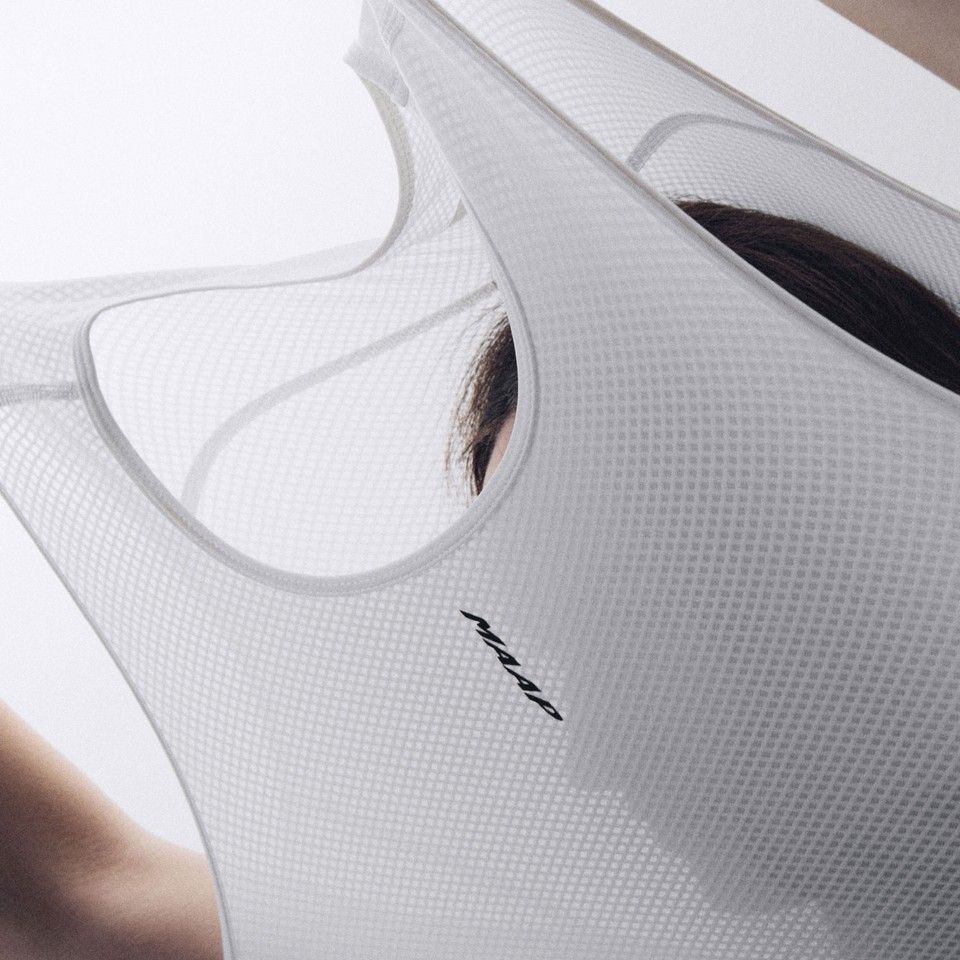
Best Thermal Base Layer - MAAP Thermal Long Sleeve Base Layer Tee
The MAAP Thermal Long Sleeve Base Layer Tee is our pick for the best thermal cycling base layer thanks to its exceptional warmth, moisture management and comfortable low-bulk fit. Polartec® Power Grid fabric provides impressive insulation for cold-weather riding while efficiently wicking sweat and drying quickly to help maintain a comfortable temperature during changing efforts. Its stretchy construction, slim fit and contoured side panels sit smoothly beneath jerseys and jackets without restricting movement or bunching. Odour resistance, recycled Bluesign® approved yarns and a lightweight 130g construction complete a premium base layer ideally suited to long winter training rides.

MAAP
Thermal Long Sleeve Base Layer Tee
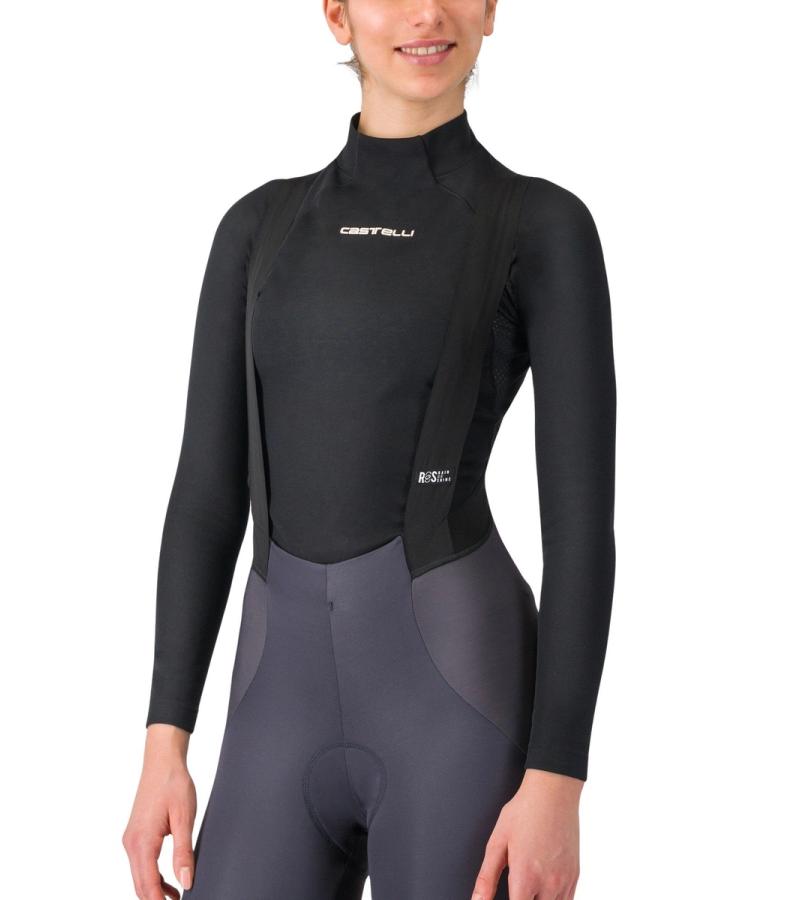
Best Mens & Womens Base Layer - Castelli Flanders 2 Long Sleeve Base Layer
The Castelli Flanders 2 Long Sleeve Base Layer is our pick for the best men’s thermal cycling base layer thanks to its exceptional insulation in seriously cold conditions. Castelli’s SottoZero Fleece traps warm air close to the body while efficiently wicking sweat away from the skin, helping you stay warm and dry as your effort changes. Mesh armpit inserts boost ventilation in high-sweat areas, while flat stitching and a mid-height neck enhance comfort and coverage. With a recommended temperature range of -2–10°C, it’s an ideal foundation for winter cycling around freezing and below.

Castelli
Flanders 2 Long Sleeve Base Layer

Castelli
Women's Flanders 2 Warm Base Layer
Best Merino Cycling Base Layer - ASSOS Ultraz Winter Long Sleeve Base Layer P1
The Assos Ultraz Winter Long Sleeve Base Layer P1 is our pick for the best merino cycling base layer thanks to its exceptional warmth, moisture management and next-to-skin comfort in extreme winter conditions. Its blend of naturally insulating merino wool and high-stretch synthetic fibres traps warmth while efficiently moving sweat away from the skin. A second-skin fit and seamless construction provide unrestricted comfort beneath winter jerseys and jackets, while the extended neck-warmer collar adds valuable protection against biting cold. Natural antimicrobial properties, enhanced by carbon fibres for lasting odour control, make it an outstanding choice for long rides in the depths of winter.

Assos
Ultraz Winter Long Sleeve Base Layer P1
How to Layer a Winter Cycling Base Layer
A base layer works best as part of a system:
- Base layer – moisture management and insulation
- Mid‑layer (optional) – thermal jersey or fleece for very cold days
- Outer layer – wind and wet weather protection
Adding other layers on top of your base layer can provide extra warmth and help you stay warm during winter rides, especially in colder or more challenging conditions. For most UK winter conditions, a well‑chosen base layer paired with a thermal jersey or softshell jacket is sufficient.
Fabric Choice: Synthetic vs Merino Wool
The material of your base layer plays a huge role in comfort and performance.
Synthetic base layers (polyester or polyamide blends):
- Excellent moisture‑wicking
- Dry quickly
- Often lighter and more elastic
- Ideal for high‑intensity winter training
- Impressive wicking abilities to draw sweat away from the skin
Merino wool base layers:
- Naturally thermoregulating
- Excellent odour resistance
- Warm even when damp
- Perfect for long rides and variable conditions
- Made from natural materials with outstanding insulating properties
- Provides effective odour control for lasting freshness
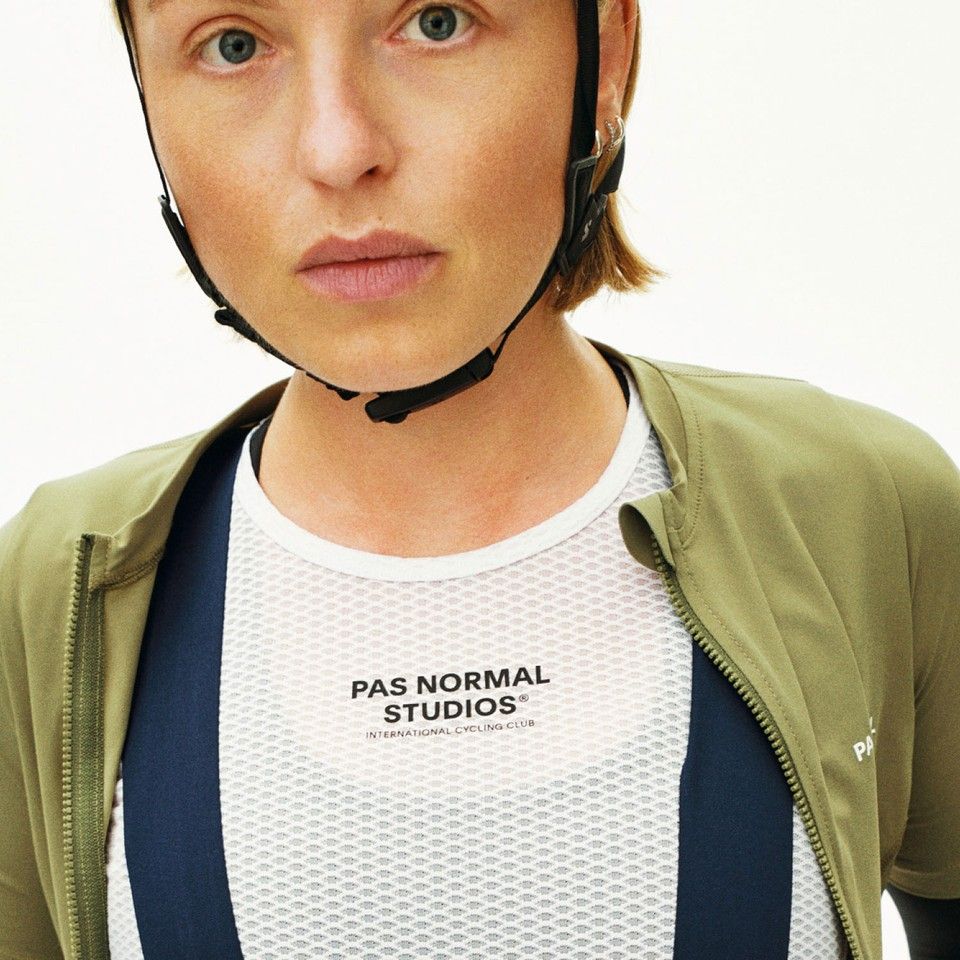
Many of the best winter cycling base layers now blend merino with synthetics, combining warmth, stretch and durability. Some base layers also use mesh fabric for enhanced breathability and a super soft feel.
Fit, Construction & Selecting the Right Weight
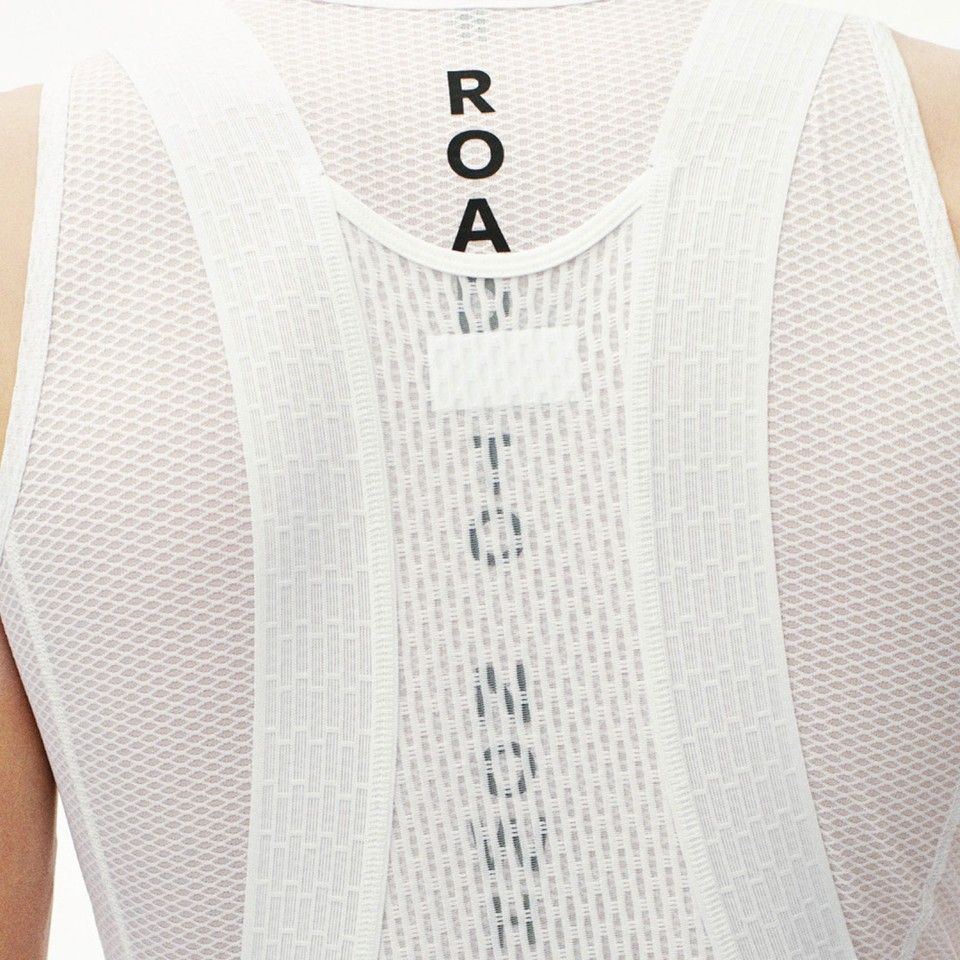
A "second-skin" fit is essential to eliminate cold air pockets and facilitate efficient moisture wicking. To avoid chafing and ensure comfort under bib shorts, look for:
- Anatomical cycling cuts with stretch fabrics.
- Seamless or flat-lock construction to minimise friction.
Since no single layer covers every condition, choose a weight based on intensity and temperature:
- Lightweight: Ideal for mild autumn days or high-intensity efforts.
- Midweight: The most versatile choice for standard winter conditions.
- Heavyweight/Thermal: Best for "deep winter" or slower, colder rides.
Sleeve Length: Long vs Short Sleeve
It’s a common misconception that winter always means long sleeves.
- Long sleeved winter base layers with long arms provide extra coverage and warmth, helping to retain heat and prevent gaps at the wrists for enhanced comfort in cold weather.
- Short sleeve base layers can work well under thermal jerseys or softshells, allowing better temperature control during harder efforts.
- Different length sleeve options are available, including sleeveless base layers for flexibility in hot or changeable climates, or for those who prefer to combine them with other layers.
- Arm warmers can be paired with sleeveless or short sleeve base layers for adaptable layering, offering additional warmth and flexibility as conditions change.
- All base layers can be worn under a regular jersey for added insulation and comfort during winter rides.
Choosing between them depends on layering strategy, not just temperature.
Wind Protection Base Layers
For exposed winter riding, wind is often the real enemy. Some advanced winter base layers now integrate windproof panels on the chest or front torso. For added insulation, you can use an extra layer beneath windproof base layers, especially on the coldest days.
Many windproof base layers also feature a wide collar to enhance comfort and wind protection, particularly when layering beneath jackets or skinsuits. Additional details like thumb holes or thumb loops help keep sleeves in place, prevent cold gaps, and improve overall fit and warmth during winter rides.
These are particularly effective when:
- Riding in strong headwinds
- Wearing more breathable outer layers
- Training at lower intensities
A windproof base layer can reduce the need for bulkier jackets while maintaining warmth.
Conclusion
To maximise your investment and comfort, avoid common pitfalls like choosing non-cycling-specific thermals, ignoring wind chill, or wearing a layer that is too thick, which leads to overheating and chill-inducing sweat. A high-quality, task-specific base layer is one of the most cost-effective upgrades you can make, transforming cold-weather training into an enjoyable experience. By selecting a versatile range of layers tailored to your riding intensity, you can stay dry, warm, and prepared to ride through the heart of winter.
Shop base layers