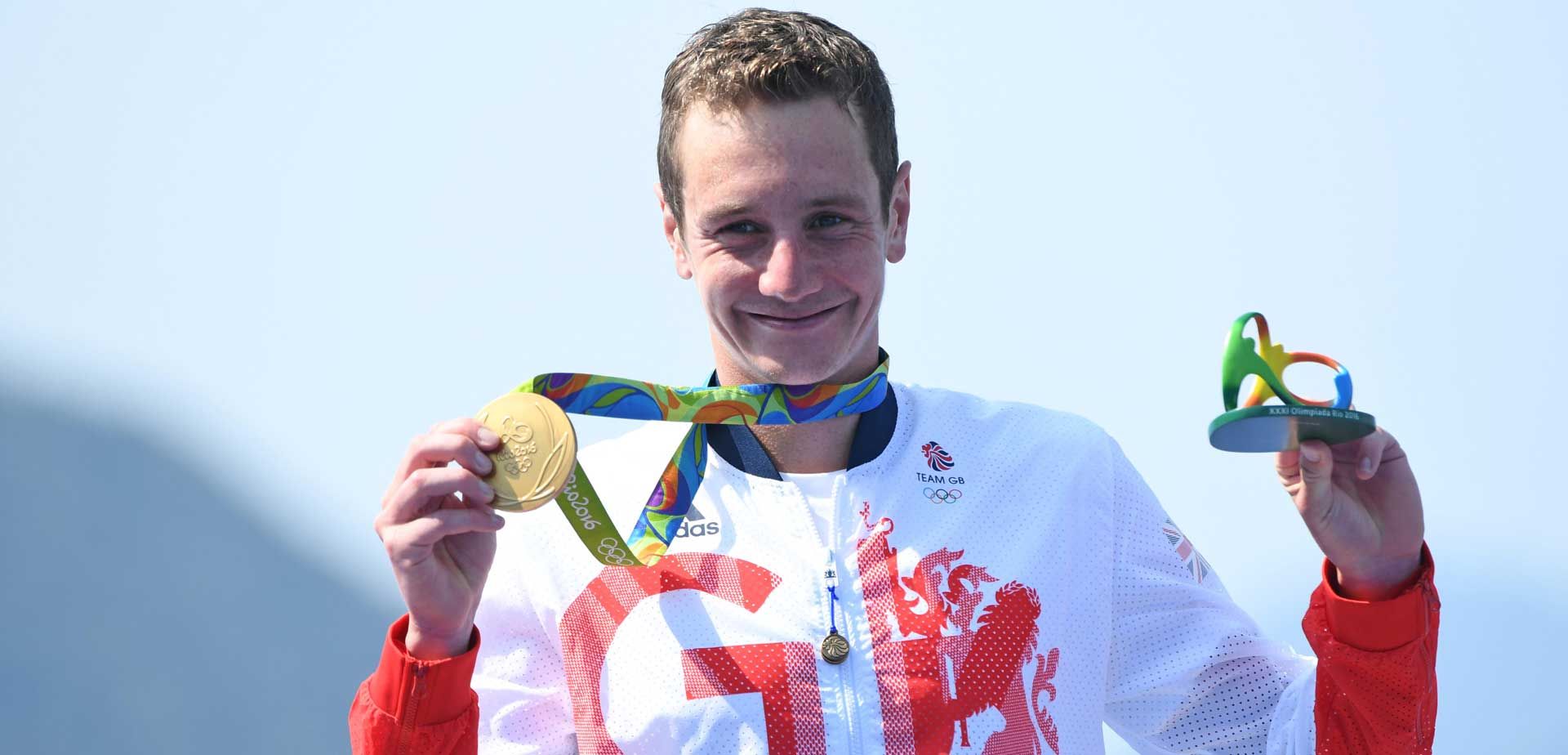
When Alistair Brownlee retired from professional triathlon, it wasn’t an ending so much as a recalibration. Now 37, the double Olympic champion has stepped away from the relentless demands of elite sport—but not from competition, adventure, or ambition.
Speaking from his home in Yorkshire on the Sigma Sports Unplugged Podcast, Brownlee reflected on a year of “retirement” that looks anything but sedentary.
Knowing when the time Is right
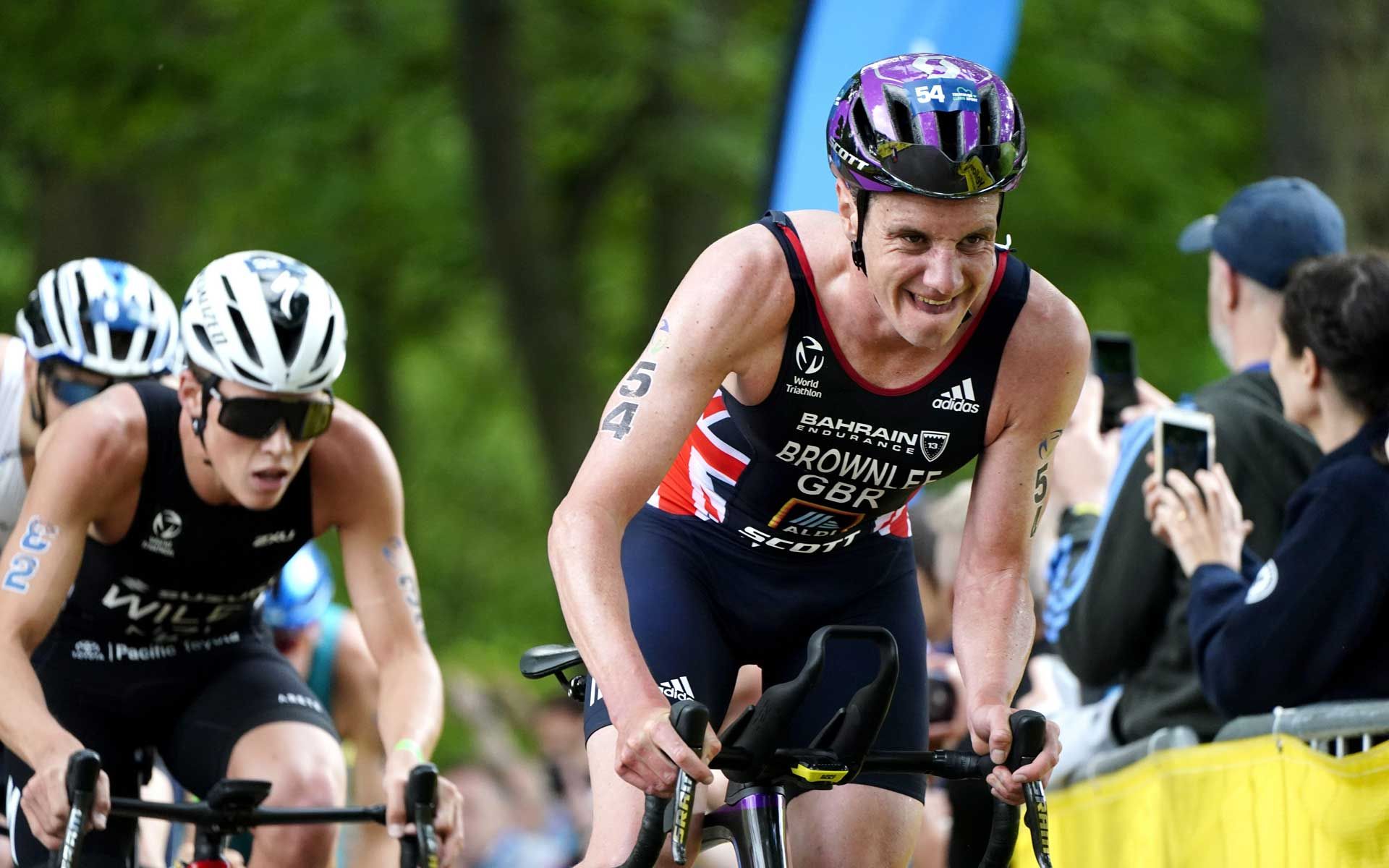
Brownlee’s decision to retire was clear-eyed rather than emotional. Years of injuries and illness had begun to erode the standard he held himself to: turning up to a start line knowing he was the best prepared athlete possible. When that slipped, so did the desire to continue.
At the same time, he found himself increasingly excited by projects beyond racing. Those two factors—physical reality and growing external ambition—made the transition easier than many athletes experience. Rather than struggling with identity, Brownlee embraced freedom. He still trains almost daily, running or riding most days, but without the grind of VO₂ max intervals or grim winter sessions. Swimming, once a staple, has largely disappeared. Fitness remains important; performance obsession does not.
Gravel cycling, adventure, and competition—On new terms
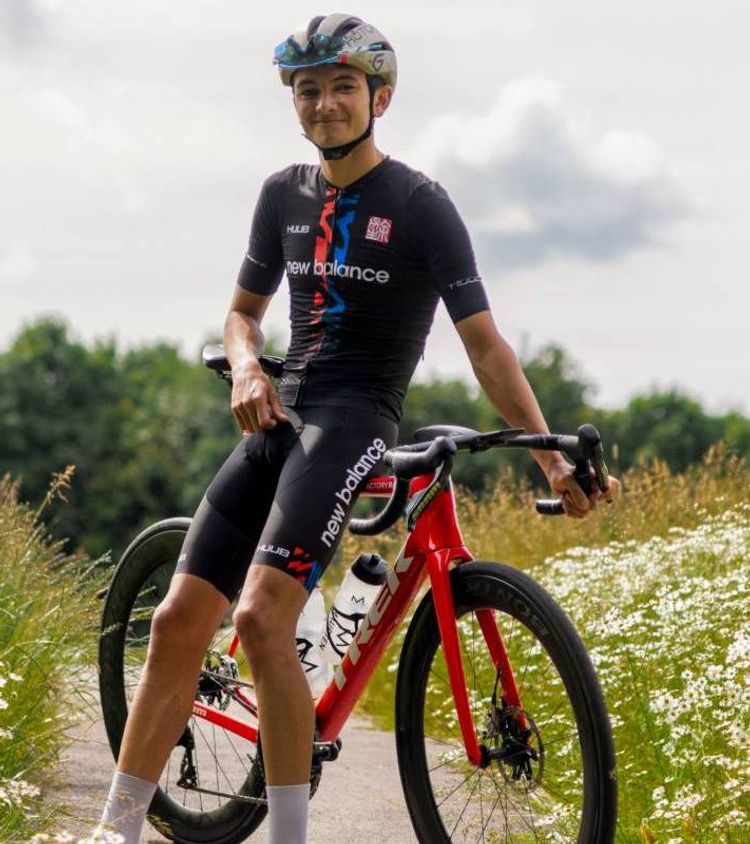
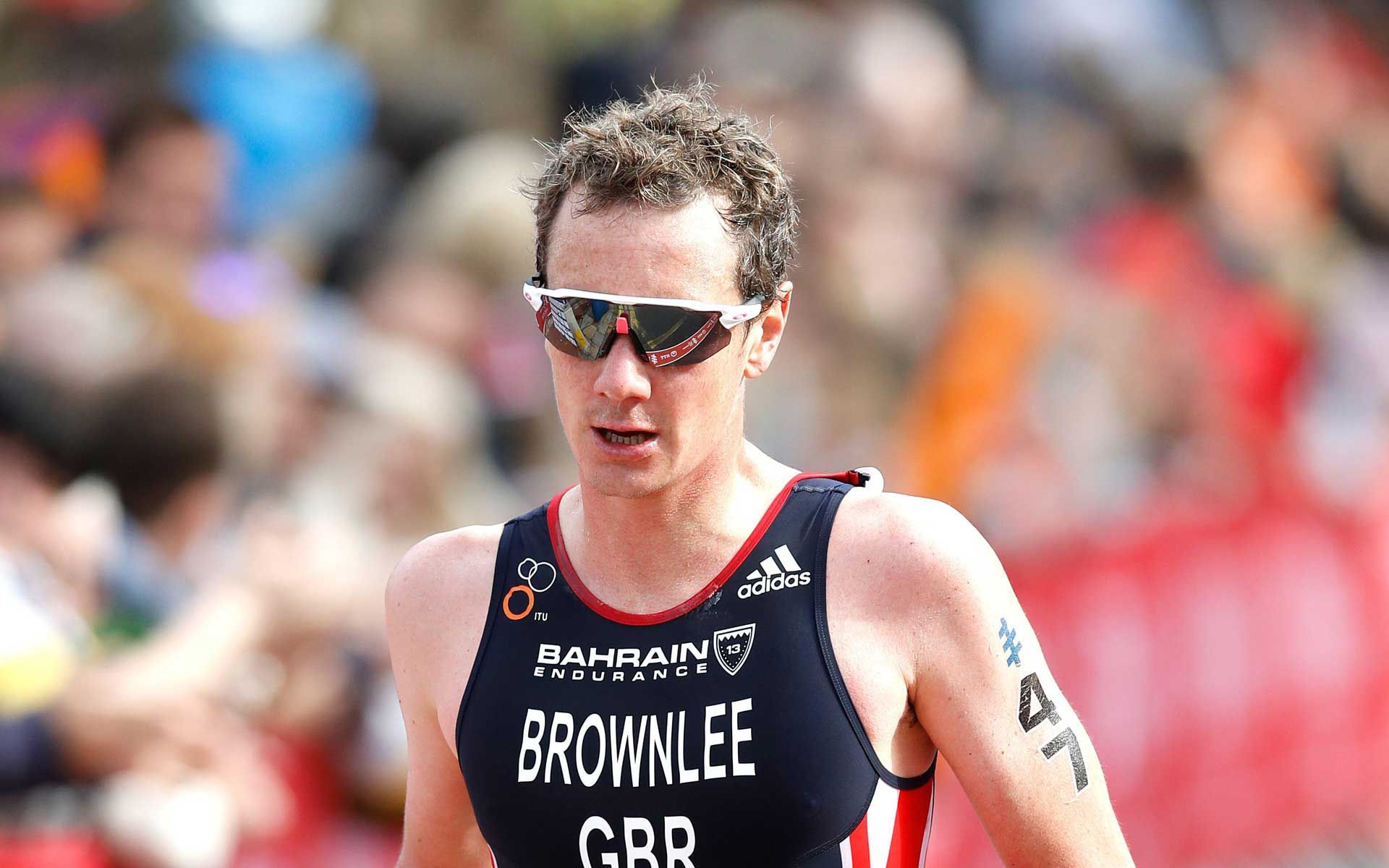
One outlet for Brownlee’s competitive instincts has been gravel racing and ultra-endurance events. Far from dabbling, he finished 15th at the UK National Gravel Championships and took on brutal multi-day events like Nedbank Gravel in South Africa—over 800km with enormous elevation.
Alistair is candid about the mental challenge of this new phase. He no longer trains to peak performance, yet still finds himself riding with elite-level competitors. Some days hurt more than others. The difference now is acceptance: knowing when to push, when to enjoy the scenery, and when to let go of outcomes.
His extensive background—cyclocross as a junior, years of draft-legal triathlon, and regular mountain biking—means technical terrain feels natural rather than intimidating. Riding alongside fellow Yorkshireman Tom Pidcock during Nedbank, sharing punctures, wildlife sightings, and even victories, captured what this phase represents: high-level sport blended with genuine enjoyment.
From Olympic pressure to everyday balance
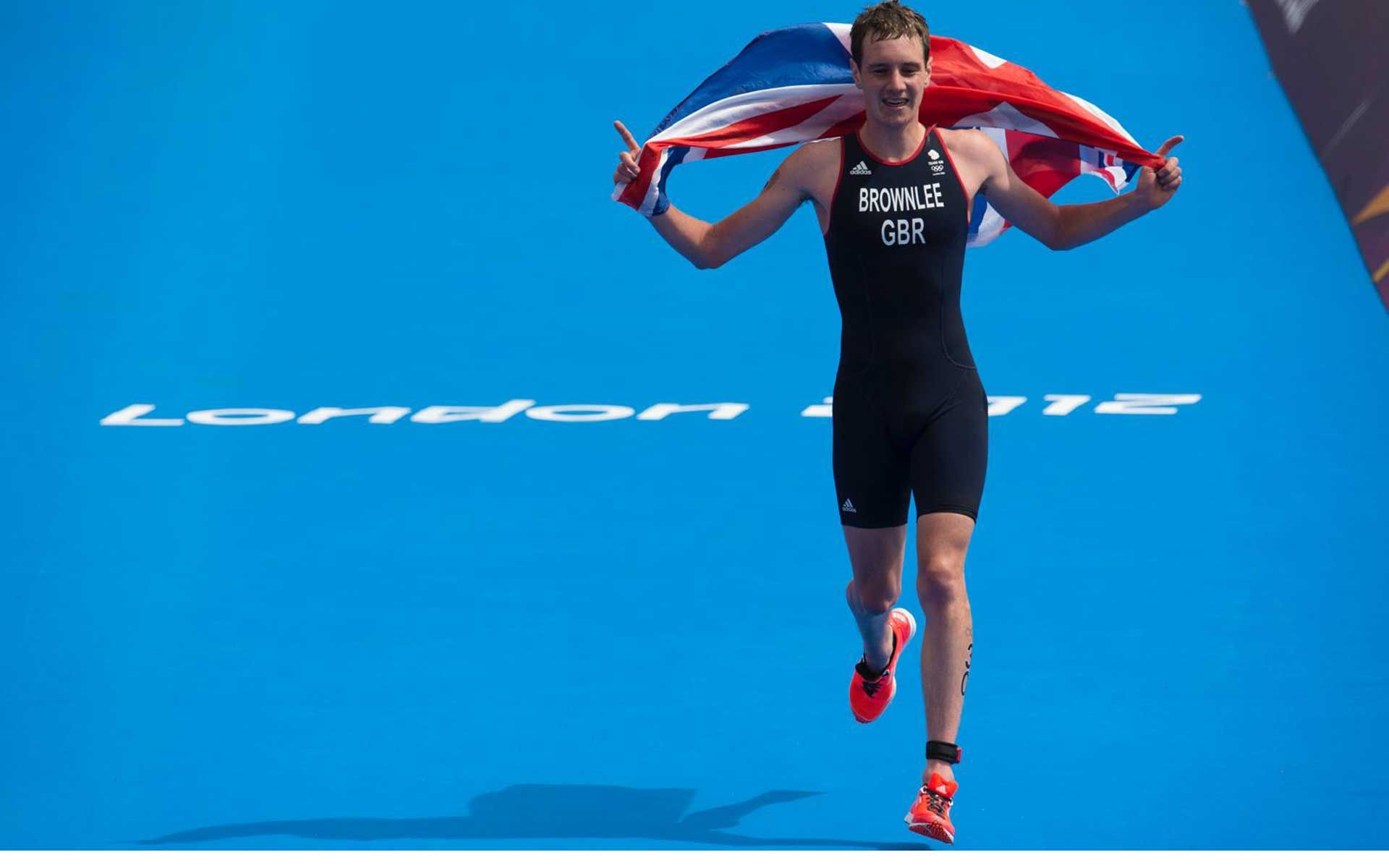
Looking back, Brownlee identifies London 2012 as the defining moment of his career. Winning Olympic gold at a home Games brought extraordinary pressure—pressure he knew he would never experience again.
Executing under those circumstances remains a source of immense pride. Yet some of his most satisfying victories came elsewhere: races he won despite not feeling like the strongest athlete on the start line. Those moments, won through tactics, resilience, and experience, reinforced a lifelong lesson—success isn’t always about perfect preparation.
Brotherhood, rivalry, and instinct
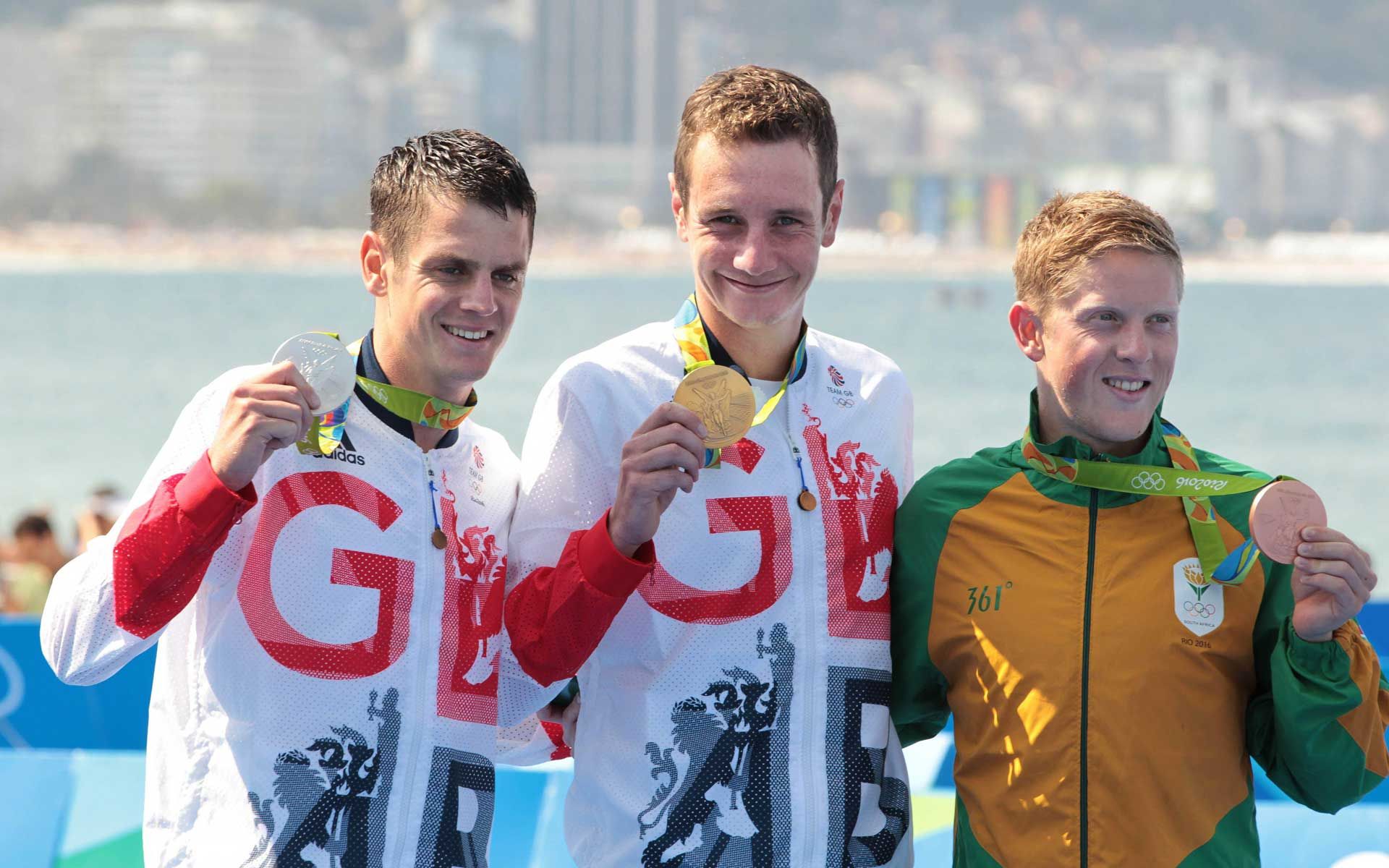
Any discussion of Alistair’s career inevitably returns to his relationship with his younger brother Jonny. For years they trained together daily, pushing each other to extraordinary heights. Over time, they learned when to compete and when to collaborate—both in training and in races.
The now-famous moment in 2016, when Alistair helped a collapsing Jonny across the finish line in Mexico, has transcended sport. Initially, the brothers resisted being defined by it. Over time, they recognised why it resonated: it was instinctive, human, and relatable. It wasn’t strategy—it was family.
A second career with purpose
Post-retirement, Alistair Brownlee has channelled his focus into work that closely reflects his values, centring on health, activity, and accessibility. His ventures include working with a sports nutrition brand built on simple, evidence-based fueling; Spatzwear, an innovative cycling brand created to solve real-world problems like cold, wet feet; venture capital work supporting UK health and fitness businesses; and Terra, a data platform that analyses health and fitness data to help people live healthier lives.
Alongside these commercial projects, the Brownlee Foundation plays a central role, introducing thousands of children to triathlon through free, inclusive events that position sport as an opportunity open to all.
What happiness looks like now
For Alistair Brownlee, happiness is balance. It’s still striving—this time in business rather than medals. It’s staying active every day, because without movement the day never quite feels right. And it’s being at home in Yorkshire, grounding himself after years of constant travel. Looking ahead, his bucket list is long: ultra-running races, mountain bike stage races like the Cape Epic, ski mountaineering, and more mass-participation events that feed back into youth sport.
The competitive fire hasn’t gone out—it’s simply been redirected. Alistair Brownlee may have retired from professional triathlon, but the qualities that made him great—discipline, curiosity, resilience, and generosity—are still very much in motion.
Listen To The Sigma Sports Podcast