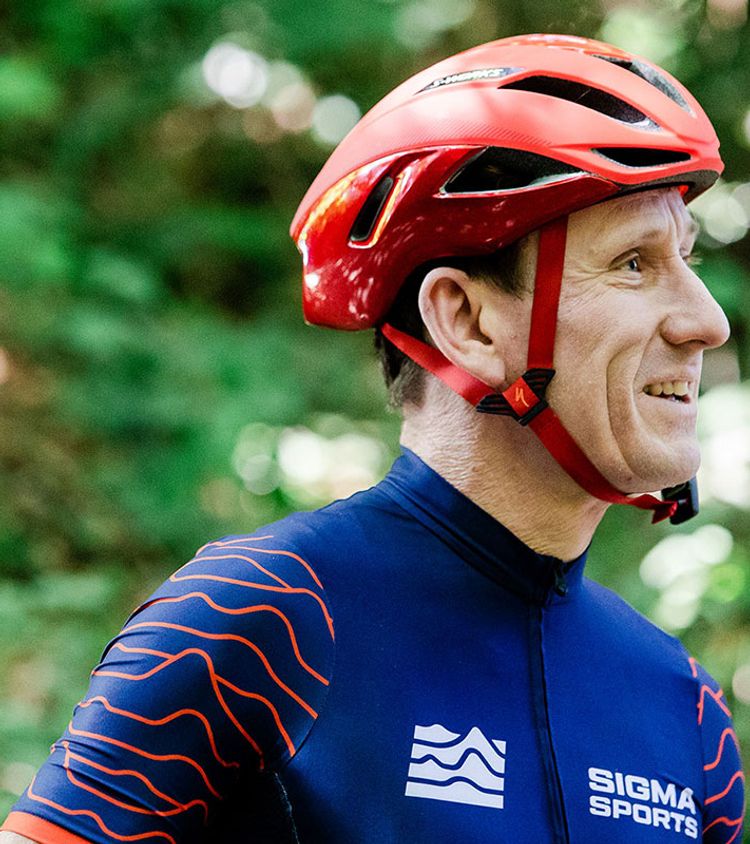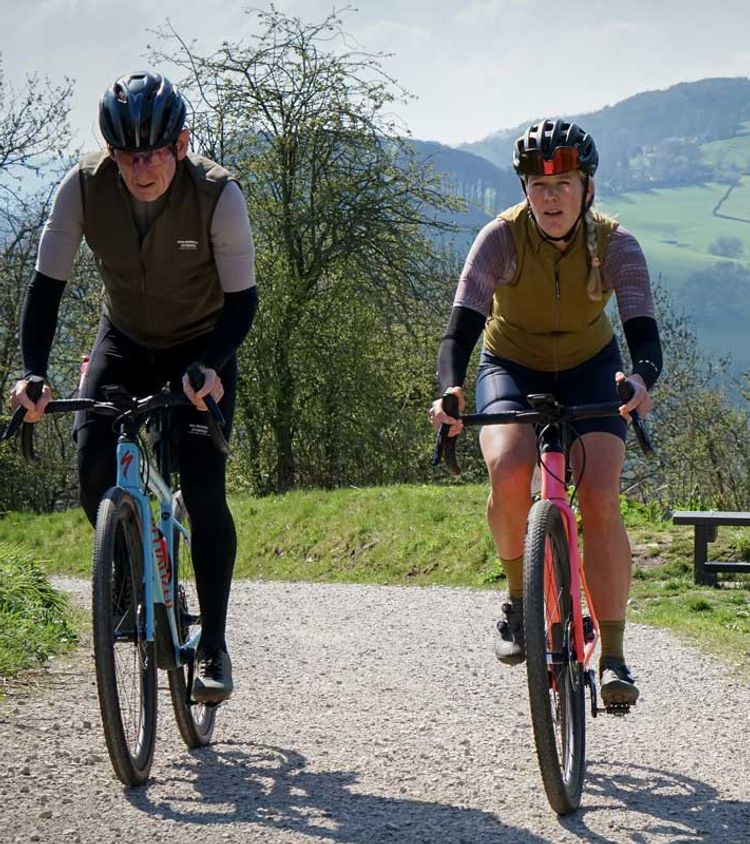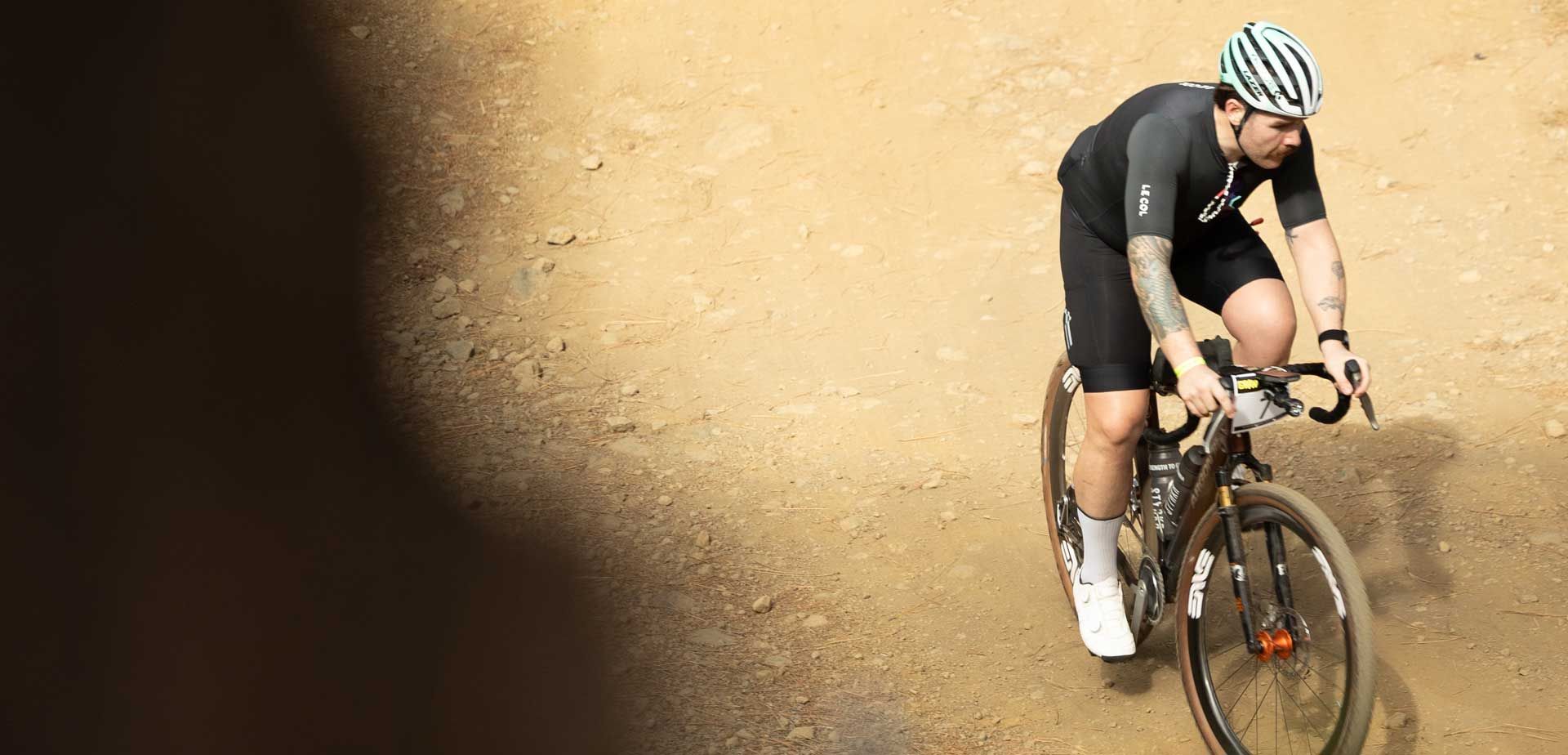
Matt Stephens chats to ultra-distance bike racer, content creator and charity fundraiser Chris Hall about his recent challenges for Movember. Despite atrocious weather conditions, Chris completed a lap of Britain unsupported during the summer of 2025, learning valuable lessons along the way. With a history of severe depression, it’s a charity close to his heart and this monumental effort is documented in Chris’ film. Cycling has played a huge part in Chris' recovery from severe depression and continues to help him maintain his mental health.
When Chris Hall talks about cycling, it’s never just about watts or gears. For the endurance rider and content creator, the bike became a literal and emotional vehicle for survival—a way to process, to connect, and, ultimately, to heal.
Sitting down with Matt Stephens, Chris retraced the long road that took him from an overworked architect in London to one of the UK’s most recognisable figures in endurance cycling and mental health advocacy. His story is one of burnout, breakdown, and the quiet power of two wheels to pull someone back from the edge.
Chris' early career followed a familiar path for ambitious young professionals. After earning top marks and awards in architecture school, he landed a job at a prestigious London firm—“one of the best in the world,” he recalls. But the glamour of design soon gave way to the grind of 16-hour days and toxic expectations. “My boss said, ‘I expect you to be in before me every day and not leave until I leave,’” Hall says. “I was in my early twenties, commuting an hour and a half each way from Kent. It was brutal.”
The long hours and relentless pressure quickly eroded his wellbeing. Diagnosed with chronic depression, Hall’s mental health spiralled until, at his lowest point, he was placed on suicide watch. “I was dealing with a lot of very not-great human beings,” he says carefully. “I never like to call someone a bad person, but some of the environments were incredibly damaging.”
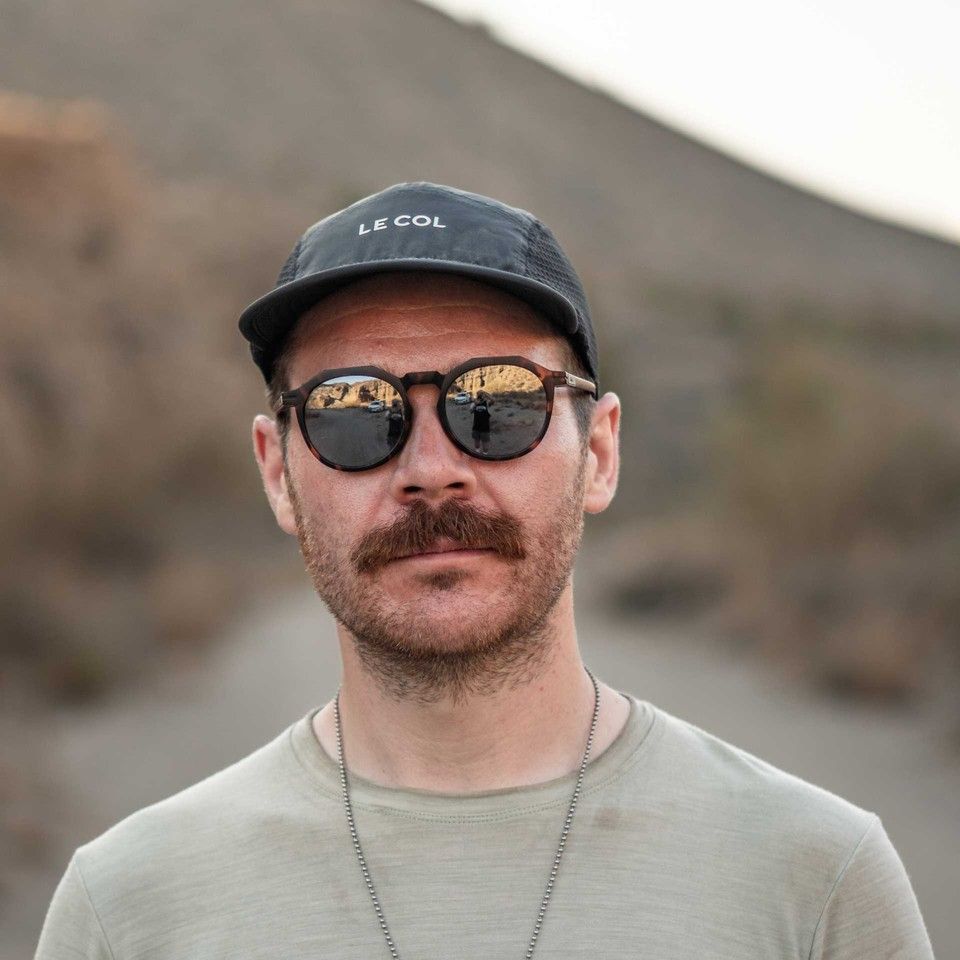
Amid the exhaustion, Hall found a small act of rebellion that would change everything: riding his bike. It wasn’t glamorous. His first road bike was a secondhand red Specialized Allez “two sizes too big and awful to ride,” he laughs. “But it was cheap, and it got me away from the office.”
What started as a practical commute soon became a form of therapy. Hall found solace in early-morning laps around Regent’s Park with a small group of friends. “We’d meet by the bin outside the zoo at seven o’clock, ride for an hour, then grab coffee,” he recalls. “At the time, I didn’t realise how important those rides were.
Looking back, I think I’m still alive because of them.” Those rides offered something he hadn’t found in the office or even in formal therapy yet: connection. “Cycling is an incredibly good way—especially for men—to have tricky conversations,” he explains. “You’re side by side, not making eye contact, and that makes it easier to open up.”
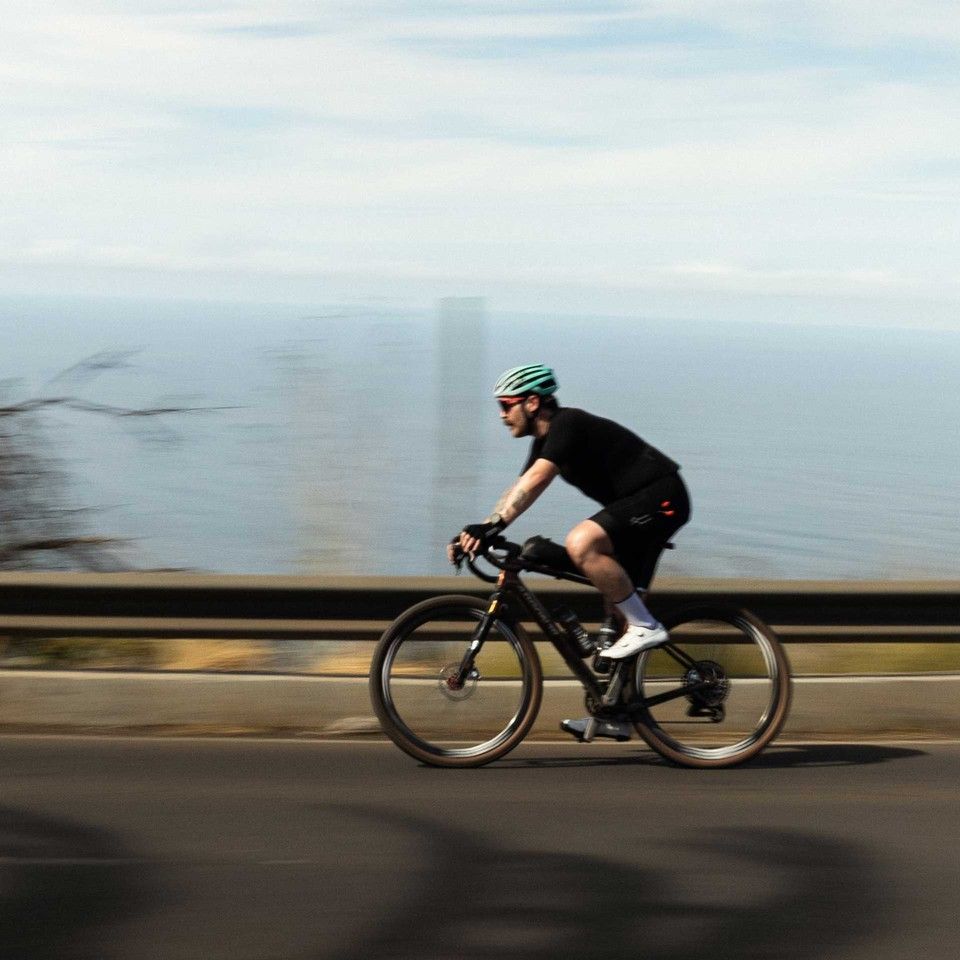
Chris began to merge his passion for cycling with a desire to give back. Charity work came naturally; his grandparents had run an animal welfare organisation, and his childhood was filled with weekends at fundraising stalls and car boot sales.
“It was always part of my DNA,” he says. His first big challenge was as audacious as it was meaningful: riding across Romania to raise money for a children’s cerebral palsy charity called PACE. “It was 2015, we were on rim brakes and 23mm tyres, and half of it was gravel,” he laughs. “It was wild—but it lit a spark.”
More endurance rides followed—24-hour loops of Richmond Park, coast-to-coast challenges, and eventually ultra-distance bikepacking races like Badlands and the national 24-hour time trial. Each effort combined physical hardship with fundraising for causes close to his heart, including Movember, which supports men’s mental health, and PACE, the children’s school he first rode for in Romania. “I’ve always believed that cycling and community can change lives,” Hall says.
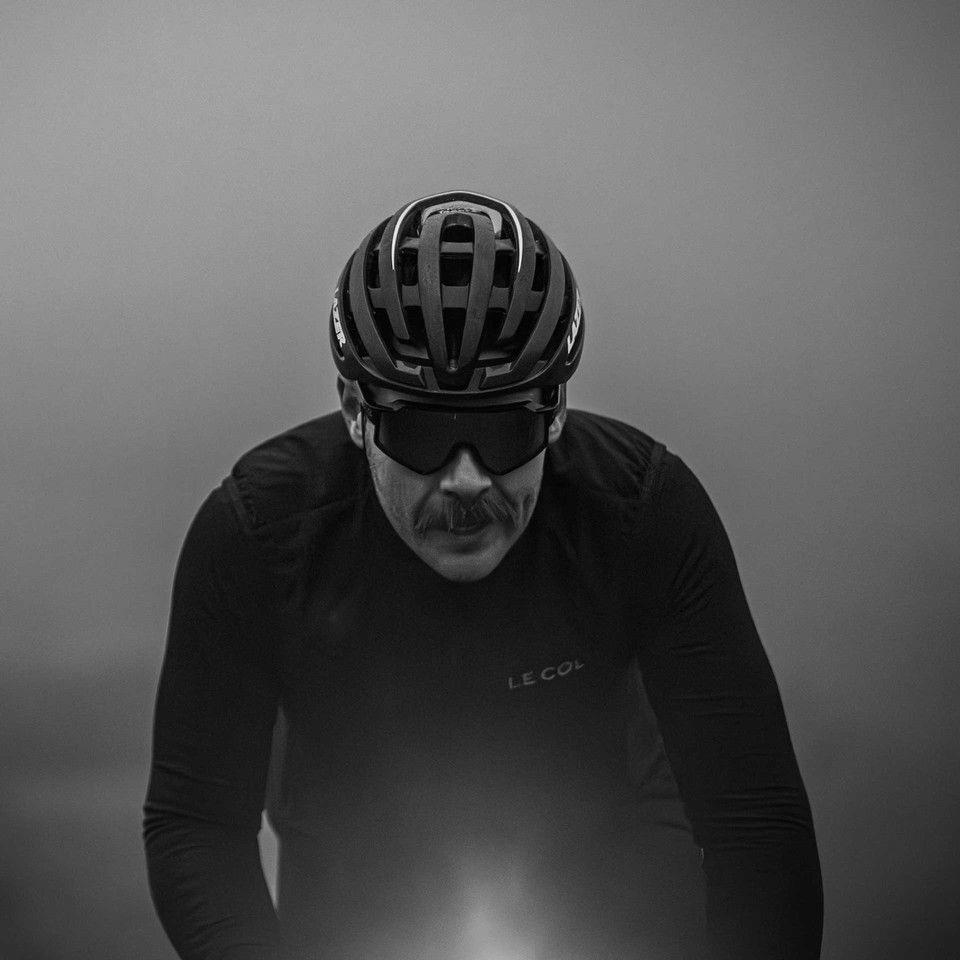
Today, Hall’s days of architectural drafting are long behind him. He’s built a sustainable career around endurance cycling, product development, and creative storytelling. But his openness about mental health remains central to everything he does.
“I still have counselling,” he says matter-of-factly. “Mental health isn’t something you fix once—it’s something you maintain.” He’s also keenly aware of the power of visibility. “
When people see someone they follow or ride with talk about depression or burnout, it normalises it. It makes it okay to talk about. And that’s how you save lives—through conversation.”
From the suffocating offices of London to the windswept climbs of the Peak District, Chris Hall’s journey has been one of rediscovery. The road was long, wet, and often painful—but along the way, he found purpose, resilience, and peace.
And, as he says with a grin, “A bit of stubbornness helps too.”
Donate to Chris Hall's Movember page.
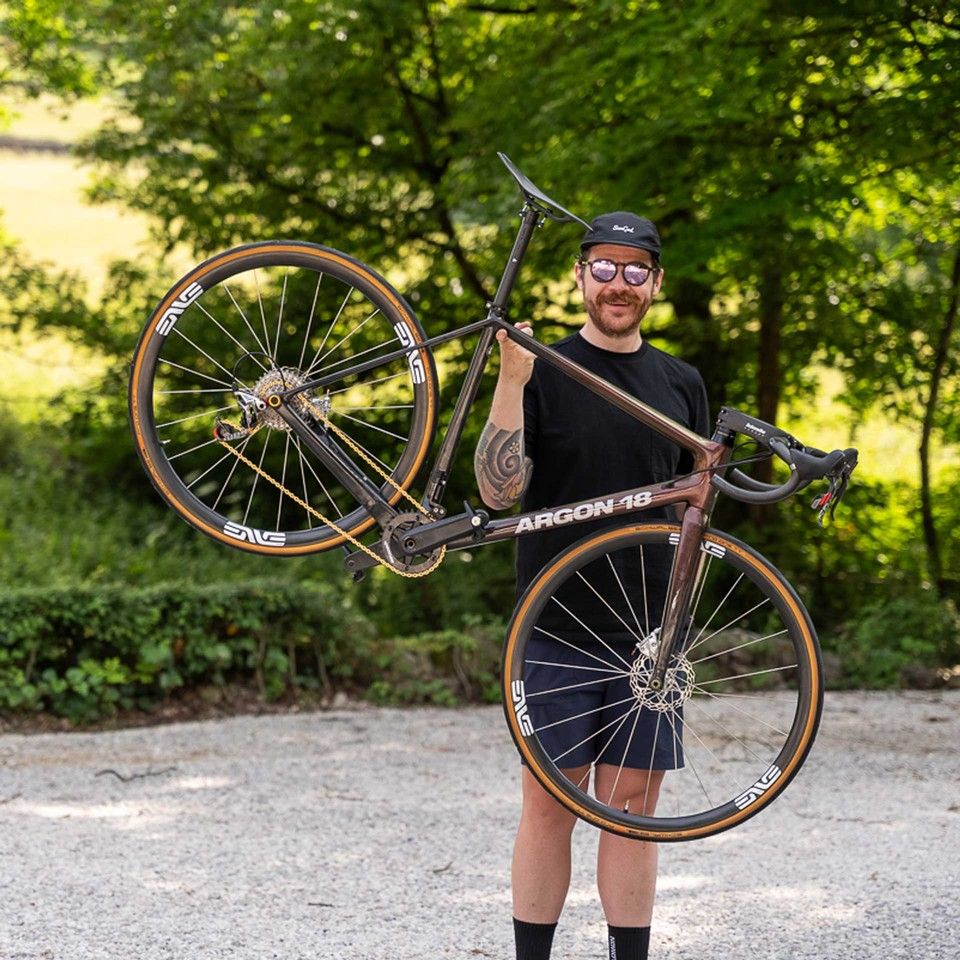
Want to hear the full conversation, including more about Chris' upcoming goals, his and Matt's shared love of the Isle of Man, and his advice when it comes to the subject of mental health? Listen to the full episode: 163 - Sigma Sports Unplugged Podcast with Chris Hall for Movember.